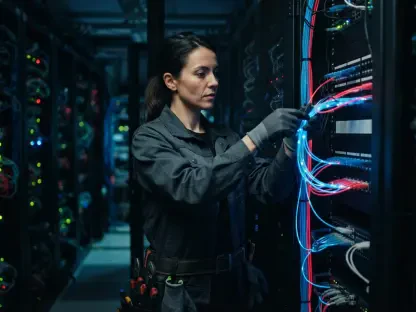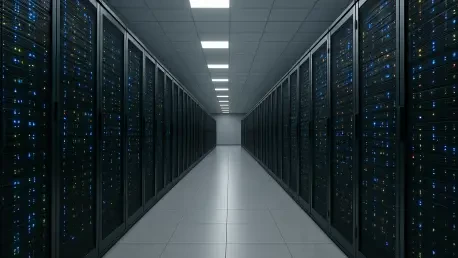

In July 2026, Arizona’s power grid faced a record-shattering peak demand surge, with data centers accounting for half of the unexpected 400-megawatt increase. This unprecedented spike serves as a stark reminder of the immense pressure that high-performance computing clusters place on regional infrastructure. As the state solidifies its position as a global semiconductor hub, the traditional business-as-usual approach to expansion has collided with the reality of resource limitations. State regulators and utility providers are now forced to navigate a complex landscape where the economic benefits of a $35-billion tech sector must be weighed against the immediate needs of millions of residential consumers. This shift represents a fundamental change in how the Desert Southwest views industrial growth, moving away from unbridled incentives toward a model of managed sustainability. The ongoing debate highlights a critical junction for the region’s energy policy and long-term economic strategy as the digital age continues to mature.
Navigating the Financial and Resource Strain
Balancing Utility Rates and Public Fairness
The rapid expansion of digital infrastructure has placed an enormous financial burden on the state’s utility network, necessitating a reevaluation of how capital improvements are funded. Arizona Public Service has recently spearheaded a controversial effort to restructure energy costs, requesting a substantial rate hike specifically targeting large-scale industrial customers. With proposed increases reaching up to 45% for those with massive power demands, the utility aims to ensure that these facilities contribute fairly to the grid’s upkeep. This fiscal strategy reflects a growing awareness that the infrastructure necessary to support artificial intelligence and cloud storage must be funded by the entities generating the demand rather than the general public. By segregating these high-demand users into a distinct pricing tier, regulators aim to shield average households from the skyrocketing costs associated with upgrading substations and transmission lines.
Public sentiment regarding these rate changes has reached a boiling point at the Arizona Corporation Commission, where consumer advocates argue against corporate subsidies. Residents have voiced concerns that their monthly utility bills should not subsidize the expansion of multinational tech firms that provide relatively few local jobs compared to their massive resource consumption. The pushback has resulted in a more rigorous vetting process for new industrial projects, requiring developers to demonstrate how they will offset their impact on the local energy market. This friction is driving a shift toward more equitable fiscal policies that prioritize the stability of residential utility rates over industrial growth incentives. As the state moves forward, the focus remains on creating a transparent cost-sharing model that ensures large-scale data facilities cover the full extent of their operational footprint, including the long-term capital investments needed for grid resilience and capacity.
Mitigating the Impact on Local Infrastructure
Beyond mere pricing, the physical strain on Arizona’s electrical distribution network has necessitated immediate technical interventions. Local municipalities are increasingly requiring data center developers to invest directly in the construction of dedicated power substations and transmission corridors to minimize interference with residential service. This model ensures that the rapid influx of high-density server farms does not lead to localized brownouts or voltage fluctuations for nearby neighborhoods. Furthermore, engineering firms are now tasked with integrating advanced smart-grid technologies that allow for real-time demand response, enabling these facilities to shed load during peak hours when the general population’s cooling needs are highest. This approach transforms data centers from passive consumers into active participants in grid management, helping to stabilize the overall system during extreme temperature events.
Strategic urban planning has also begun to favor the clustering of data centers in designated industrial zones that are already equipped with high-capacity utility connections. By discouraging the placement of these facilities near sensitive residential areas, local governments can more effectively manage the logistical challenges of energy and water delivery. This centralization allows for the shared use of specialized infrastructure, such as reclaimed water pipelines for cooling systems, which further reduces the burden on municipal resources. Developers who agree to locate within these zones often receive streamlined permitting processes, creating a win-win scenario that encourages responsible site selection. The emphasis on planned industrial hubs reflects a broader commitment to maintaining the quality of life for citizens while still providing the environment for technological advancement. These zones act as a buffer, ensuring heavy industrial use remains compatible with growth.
Engineering Sustainability in an Arid Landscape
Modernizing Technical and Environmental Benchmarks
The technical standards governing data center construction are undergoing a significant overhaul to reflect the unique environmental challenges of the Arizona desert. For years, builders relied on general guidelines from organizations like ASHRAE, but these benchmarks often fall short in extreme desert heat. Current efforts are focused on implementing localized codes that mandate the use of high-efficiency liquid cooling systems and closed-loop technologies that drastically reduce environmental impact. These modern standards are no longer optional; they have become the baseline requirement for any new project seeking approval in the state’s major tech corridors. By prioritizing advanced thermal management, regulators hope to curb the growth of energy consumption while maintaining the reliability that global tech firms expect. This transition ensures that the next generation of facilities is built to withstand the specific stressors of an arid climate.
Innovation in building materials and architectural design is also playing a key role in achieving these new sustainability targets. Modern data centers in the Phoenix metropolitan area are increasingly utilizing passive cooling designs and reflective exterior finishes to minimize solar heat gain during the summer months. Furthermore, the integration of onsite renewable energy sources, such as large-scale solar arrays and battery storage systems, is becoming a standard feature in high-profile developments. These engineering choices are driven by both regulatory pressure and the industry’s own desire to hedge against rising energy costs and future supply volatility. As developers adopt these cutting-edge techniques, they are setting a new global precedent for how massive digital hubs can operate responsibly in water-stressed environments. The refinement of these technical benchmarks represents a crucial step toward decoupling technological progress from environmental impact.
Optimizing the Water-Energy Nexus
A fundamental shift in regulatory focus involves the water-energy nexus, a metric that tracks the indirect water consumption required to generate electricity for cooling purposes. In the past, environmental assessments focused primarily on the water drawn directly from onsite wells, often ignoring the vast amounts of water used by power plants to keep the servers running. Arizona’s new oversight framework now requires a holistic evaluation of the total water footprint, including the virtual water embedded in the electricity purchased from the grid. This comprehensive approach provides a more accurate picture of how data centers impact the state’s long-term water security and forces developers to seek out the most efficient energy sources available. By holding facilities accountable for their cumulative resource use, regulators are encouraging the adoption of hybrid cooling methods that strike a better balance between electricity demand and water conservation.
The transition toward stricter standards in Arizona offered a clear roadmap for other regions facing similar industrial pressures. By prioritizing fiscal fairness, environmental integrity, and community engagement, the state established a framework that allowed for technological advancement without compromising the essential resources needed for daily life. Leaders recognized that the path forward required a delicate balance of innovation and conservation, leading to the implementation of policies that held large-scale users accountable for their impact. These strategic adjustments ensured that the digital economy remained a source of prosperity rather than a drain on public infrastructure. Ultimately, the collaborative efforts between government, industry, and the public created a sustainable model that preserved the region’s character for future generations. This proactive stance served as a vital lesson in managing the complexities of a modern industrial landscape while safeguarding the interests of all stakeholders involved.