
Securing industrial environments requires specialized operational technology firewalls to prevent cyber incidents from causing physical damage to assembly lines or power grids. This priority underscores the significant transition currently being undertaken by Team Computers, a major IT solutions provider based in New Delhi. By moving away from traditional, perimeter-centric security models, the organization is championing a holistic cyber resilience framework designed to withstand the sophisticated threat landscape of 2026. This shift acknowledges that the era of relying solely on a hard outer shell is over, as modern ransomware and complex supply-chain vulnerabilities frequently bypass traditional barriers. The strategy now focuses on creating a multi-layered architecture that enables businesses to absorb impact, maintain operations, and recover swiftly from inevitable security events. This initiative represents a fundamental change in how corporate defense is envisioned, moving the goalposts from simple prevention to a comprehensive model of organizational endurance and rapid recovery.
The Philosophy of Managed Blast Radii
At the heart of this strategic pivot is the candid recognition that no digital defense can remain entirely impenetrable against a determined adversary. Team Computers has moved away from the outdated fortress-style approach, which placed excessive confidence in firewalls and perimeter monitoring, to a model that emphasizes managing the blast radius of any potential intrusion. This perspective is built on the reality that modern cyber threats are no longer just external forces trying to break in, but often internal risks or sophisticated persistent threats that exploit tiny gaps between siloed systems. By implementing dynamic, layered controls throughout the internal environment, the company ensures that if one component is compromised, the damage is isolated and cannot spread to the wider enterprise network. This containment-first mindset represents a significant departure from defensive strategies that prioritized prevention at any cost while neglecting the crucial ability to sustain operations during a breach.
Furthermore, this philosophy addresses the growing complexity of modern IT infrastructures, which now span various cloud providers and legacy on-premises systems. The inherent risks associated with misconfigured cloud environments and the lack of visibility across disparate platforms have made traditional security insufficient. Team Computers focuses on building resilience by assuming that an initial breach will occur, which shifts the operational focus toward detection speed and recovery efficacy. By prioritizing the ability to contain an intrusion within a specific segment, organizations can effectively mitigate the impact on their core business functions. This approach ensures that even when security measures are bypassed, the enterprise does not suffer a catastrophic failure. Instead, the architecture is designed to flex and adapt, maintaining essential services while incident response teams work to neutralize the threat. This level of adaptability is what defines the modern concept of cyber resilience today.
Building a Multi-Layered Defense Framework
To translate this resilience philosophy into tangible protection, Team Computers has established a unified security practice that covers seven critical domains. The journey toward a resilient posture begins with endpoint and identity security, where the company deploys next-generation antivirus and extended detection and response tools. These technologies are vital for securing individual devices against ransomware at the first point of contact, providing a robust first line of defense in a decentralized work environment. Alongside these technical measures, the strategy places a heavy emphasis on Identity and Access Management and privileged access controls. By strictly governing who can access specific data and systems, the framework ensures that even if user credentials are stolen, the lateral movement of an attacker is severely restricted. This multi-factor approach to identity verification forms the backbone of a modern security stack, preventing minor credential compromises from escalating into full-scale crises.
Beyond the perimeter and the user, the strategy moves deep into the structural layers of the enterprise, focusing on network, application, and data security. Team Computers implements Zero Trust architectures and advanced microsegmentation to further limit the potential movement of intruders within the network. These methods ensure that every request for access is verified, regardless of its origin, effectively treating the internal network with the same level of scrutiny as the public internet. Application security is handled through rigorous measures such as API protection and vulnerability testing throughout the custom software development lifecycle. Finally, the crown jewels of an organization, its most sensitive data, are safeguarded using comprehensive encryption and data loss prevention strategies. These controls ensure that critical information remains protected whether it is stored on-premises or moving across diverse cloud environments. By weaving these layers together, the organization creates a redundant and resilient barrier.
Specialized Oversight for Cloud and Industrial Systems
As businesses continue to migrate their operations to complex digital platforms, Team Computers provides specialized oversight for cloud environments and operational technology. Recognizing that cloud security is a shared responsibility, the company utilizes sophisticated cloud security posture management tools to mitigate risks arising from misconfigurations in multi-cloud settings. These tools provide continuous visibility into the cloud infrastructure, allowing for the automated remediation of security gaps before they can be exploited by malicious actors. In an era where many organizations operate across multiple cloud providers, maintaining a consistent and secure posture is a significant challenge. Team Computers addresses this by centralizing cloud security management, ensuring that policies are applied uniformly regardless of where the data resides. This level of oversight is crucial for maintaining regulatory compliance and preventing data leaks that often stem from the inherent complexities of managing vast resources.
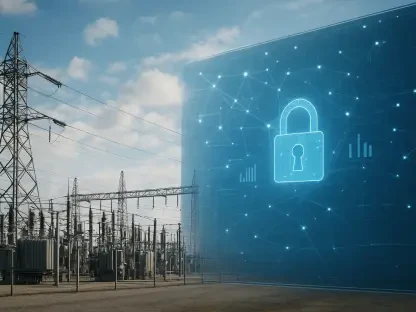
Perhaps the most critical aspect of the current strategy is the focus on the unique security requirements of the manufacturing and industrial sectors. In these environments, a cyber incident can have immediate and devastating physical consequences, affecting everything from assembly lines to essential power grids. To combat these risks, Team Computers deploys specialized operational technology firewalls and monitoring systems that are purpose-built for the industrial landscape. These tools are designed to understand industrial protocols and protect legacy hardware that was never intended to be connected to the public internet. By bridging the gap between traditional IT security and operational technology, the company ensures that physical infrastructure remains resilient against digital threats. This specialized focus is essential for industries where downtime is measured not just in lost revenue, but in physical damage or public safety risks. The integration of OT-specific defense mechanisms allows industrial firms to embrace digital transformation.
Operational Foundations and Sector-Specific Resilience
The operational strength behind these resilience strategies is provided by a large contingent of certified security engineers and strategic partnerships with over twenty-five major technology manufacturers. This extensive network of expertise allows Team Computers to offer 24/7 monitoring and rapid incident response services that were previously accessible only to the largest global corporations. By leveraging these partnerships, the company provides its clients with access to the latest security innovations and threat intelligence, ensuring that their defenses are always aligned with the most current attack vectors. This proactive monitoring capability is essential for identifying and neutralizing threats before they can cause significant disruption. The ability to provide high-level security expertise on a continuous basis allows mid-sized and large enterprises alike to focus on their core business operations, knowing that their digital infrastructure is being watched by professionals who specialize in the nuances of modern cyber resilience.
Looking back at the implementations finalized by the start of the current year, the decision to tailor resilience models to specific industries proved to be the most effective strategy for long-term stability. Organizations in the healthcare, finance, and automotive sectors received defense frameworks that were meticulously aligned with their unique regulatory requirements and operational risks. By moving beyond a one-size-fits-all approach, these firms successfully integrated advanced security protocols without hindering their specific workflows. Leaders in these industries recognized that true resilience was found in the ability to adapt rather than just defend, and they focused on building teams capable of navigating the complexities of an interconnected digital economy. This strategic shift effectively transformed security from a reactive technical necessity into a foundational pillar of modern business continuity and sustainable growth in an increasingly volatile and unpredictable global digital landscape.