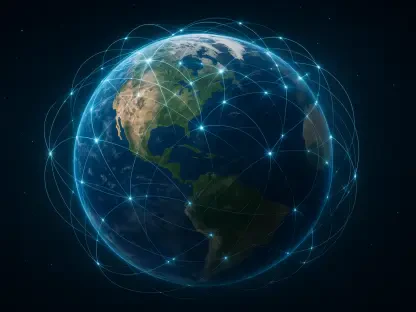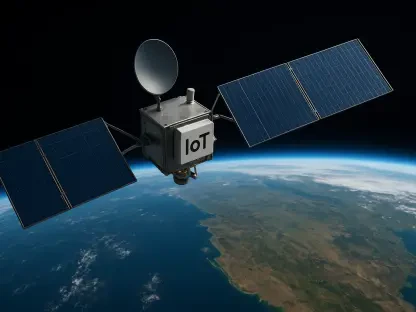

The tension between established cellular giants and ambitious space-faring upstarts has reached a boiling point as the dream of universal connectivity collides with the unforgiving realities of physical infrastructure and financial viability. This dynamic marks a significant departure from the era

The global telecommunications sector is currently navigating a period where the mere provision of data pipes is no longer sufficient to sustain institutional investor interest or maintain healthy margins. As traditional 5G hardware deployments reach a point of saturation in many developed markets,
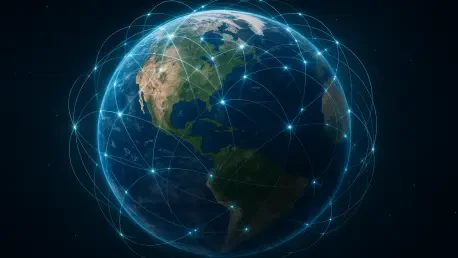
The fragility of global communication networks often becomes apparent only when disaster strikes, leaving critical response teams in a race against technological failure. Contrivian’s modular strategy reflects a broader industry trend toward technology that adapts to the specific size and intensity
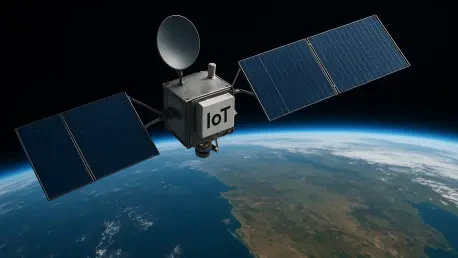
The democratization of satellite data is transforming how industries track high-volume assets that spend only a portion of their lifecycle within cellular range. This shift marks a departure from the days when satellite connectivity was a niche luxury reserved only for mission-critical military

Mobile data consumption in Malaysia has surged from 19 gigabytes per user during the pandemic to approximately 40 gigabytes today, necessitating a massive infrastructure upgrade. This exponential growth reflects a fundamental shift in how digital services are integrated into the daily lives of
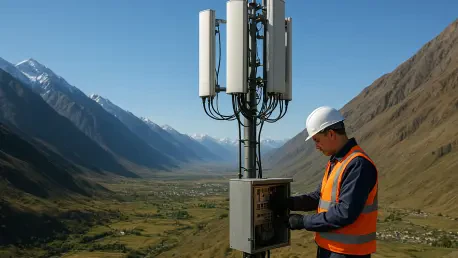
Tcell has demonstrated significant operational speed by modernizing 790 base stations across several regional provinces within the first six months of 2026. This aggressive expansion marks a turning point for Tajikistan, as the nation moves beyond basic connectivity toward a sophisticated and