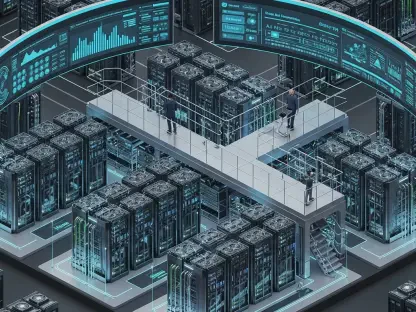

Beneath the bustling surface of the world’s major ports lies a complex and often invisible world of critical infrastructure, where unseen structural stresses and environmental changes pose significant risks to safety and operational efficiency. A groundbreaking strategic collaboration agreement is

Imagine over 76,000 sports fans simultaneously attempting to upload high-definition videos of a game-winning play, a scenario that transforms a modern stadium into a crucible for wireless network performance. This immense digital demand has turned these public arenas into the new high-stakes
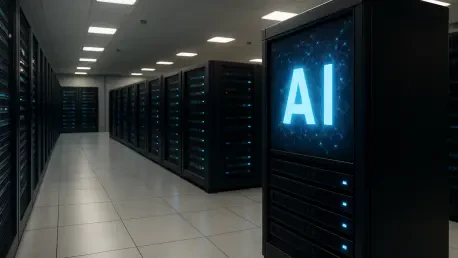
In an era where the rapid adoption of Artificial Intelligence is fundamentally reshaping industries, the demand for powerful and specialized IT infrastructure has reached a critical inflection point. Shenzhen-based IT solutions provider Wecent has responded to this global shift with a decisive

A landmark shift in federal energy policy has unexpectedly positioned Alberta at the epicenter of a potential technological revolution, creating a powerful nexus between the province's vast energy resources and the insatiable power demands of the artificial intelligence industry. This regulatory

The next chapter in the evolution of cryptocurrency and blockchain technology is quietly being written not in the frenetic price charts of speculative assets, but in the fundamental architecture that underpins our digital world. A profound transformation is underway, steering the industry away from
Imagine a world where every click, search, and AI-generated insight relies on an invisible network of colossal facilities humming with power and data. That world is right now, in 2025, as the global data center industry experiences a staggering explosion of growth. Billions of dollars are being