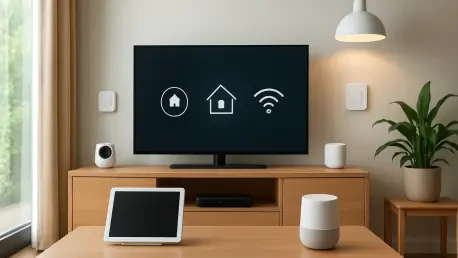

The integration of artificial intelligence across security and energy domains suggests that the future of home living will be defined by data-driven automation. For years, homeowners have struggled with a fragmented landscape of incompatible devices, each requiring its own proprietary application and unique set of control logic. This friction has often prevented the realization of a truly cohesive digital environment, leaving users to act as the manual bridge between their disparate systems. The introduction of the Anker MindBase AI Home Hub represents a significant attempt to solve this complexity by positioning itself as a central intelligence layer. Rather than merely serving as a physical connector or a simple voice-activated speaker, this system focuses on the orchestration of various digital services through a unified interface. Moving away from a hardware-centric model toward one rooted in high-level coordination, the industry sees a fundamental shift in how residents interact with their living spaces daily.
Centralized Orchestration: The Power of Natural Language
The core innovation within the MindBase ecosystem lies in its ability to interpret complex human intent rather than strictly adhering to rigid programmed commands. Utilizing advanced natural language processing, the hub allows residents to manage their entire household through conversational requests that feel more intuitive than traditional automation sequences. This transition is indicative of a broader trend where the focus moves from individual device capabilities to the seamless integration of diverse digital services. When a user asks to secure the home for the night, the hub does not just lock a door; it evaluates the status of cameras, adjusts lighting levels, and optimizes climate control settings simultaneously. This holistic approach reduces the mental load on the user, effectively turning a collection of gadgets into a singular, responsive entity. As this technology matures, the success of such systems will likely be determined by their ability to maintain high reliability across different brands.
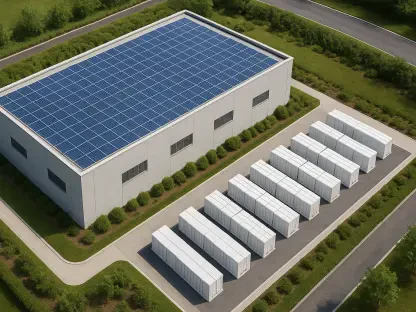
Beyond simple convenience, the Anker Intelligence initiative integrates specialized domains like energy management and local data storage to create a more self-sufficient household. For example, the inclusion of eufy storage solutions emphasizes local data retention, which addresses growing consumer concerns regarding cloud-based privacy and recurring subscription fees. By processing sensitive video footage and voice data on-site, the system mitigates the risks associated with external data breaches while providing faster access to recorded events. Simultaneously, the energy management components transform raw consumption data into actionable insights, allowing the hub to automate savings by shifting heavy appliance usage to off-peak hours. This level of synchronization between security and utility represents a sophisticated leap in how artificial intelligence is applied within domestic settings. It suggests that the value of a smart home hub is found in its capacity to analyze and act upon environmental data.
Security Frameworks: Local Processing and Control
Despite the clear advantages of a unified control point, the consolidation of sensitive data and household functions into a single hub introduces unique security challenges. A centralized system necessitates robust permission settings and transparent visibility into how automated decisions are made by the artificial intelligence. Users must be able to audit which devices are influenced by specific instructions to ensure that automation does not override personal safety or privacy preferences. The current technical landscape requires that these hubs maintain high levels of interoperability with third-party manufacturers to avoid creating a new type of brand-locked ecosystem. While the vision for a perfectly integrated home is compelling, the actual effectiveness of the MindBase hub depends on its ability to communicate across different protocols without latency. As manufacturers refine these systems, the emphasis on local processing versus cloud dependency will remain a critical point of verification for privacy-conscious users.
The development of centralized intelligence hubs marked a pivotal moment in the transition toward truly autonomous living environments. Stakeholders who observed this evolution recognized that the primary value was found in the ability to bridge the gap between advanced environmental research and practical consumer electronics. To prepare for this shift, homeowners prioritized devices that offered high levels of cross-brand compatibility and local processing capabilities to ensure long-term flexibility. It became clear that the most effective strategies involved establishing a robust network foundation before layering on complex AI orchestration tools. Industry analysts recommended that users maintain clear oversight of data permissions while gradually expanding their ecosystem to include energy-efficient hardware. Ultimately, the successful implementation of these systems was measured by their ability to deliver dependable routines without compromising user control or data security in an increasingly connected world.