
The sprawling, verdant pastures of South Annville Township have long stood as a testament to the enduring agricultural legacy of Lebanon County, yet this serene landscape is now the backdrop for a fierce confrontation over the encroachment of massive industrial infrastructure. A proposed $1.7 billion data center project, spearheaded by 1235 Martina Drive Owner LLC, has galvanized a grassroots mobilization along Route 422 as residents grapple with the profound implications of such a monumental shift. This joint venture between Inch & Co. and Eastern Land & Resources Company seeks to transform 99 acres of rural land into a high-tech complex. Despite the massive financial investment, the facility is projected to create only 50 to 100 permanent jobs, leaving many to wonder if the environmental and social costs are worth the limited economic gain. As the township stands at this crossroads, the debate highlights the tension between modern digital needs and the preservation of rural identity. The project remains a flashpoint for local anxiety regarding land use.
Environmental and Quality of Life Concerns
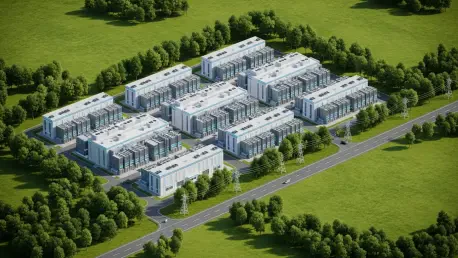
The sheer scale of the proposed development is a primary source of alarm for the community, particularly given the planned proximity of the five massive buildings to sensitive residential and educational zones. With each structure projected to occupy between 110,000 and 150,000 square feet, the industrial footprint would be situated within a mile of three local schools and Lebanon Valley College. Residents argue that these facilities, which require constant operation of high-powered cooling fans and backup diesel engines, are fundamentally incompatible with a quiet neighborhood setting. The potential for persistent noise pollution and the emission of air pollutants from the site’s infrastructure have raised significant health concerns for the children and students nearby. Many critics suggest that while the digital economy requires such centers, they should be relegated to isolated industrial corridors like the Pennsylvania Turnpike rather than being integrated into the heart of a rural community.
Furthermore, the introduction of high-intensity security lighting required for such high-security facilities threatens to permanently alter the visual character of South Annville. Local homeowners have described the prospect as being “lit up like a prison,” a stark contrast to the dark, starry skies that currently define the agricultural landscape. This shift in environmental quality is not merely aesthetic but has tangible financial consequences for the people who live in the shadow of the proposed site. Real estate experts and concerned citizens have estimated that property values in the immediate vicinity could plummet by anywhere from 5% to 20% if the project proceeds. For many retirees who have invested their life savings into their homes, this represents a devastating blow to their financial stability. The massive demand for water and electricity to maintain the server banks also triggers concerns about the long-term sustainability of local utilities and the health of the Quittapahilla Creek.
Economic Trade-offs and the Developer’s Stance
In an effort to mitigate public opposition, the developers have focused their narrative on the significant financial windfall the township and county would receive from the project’s tax contributions. Representatives from Inch & Co. have characterized the development as a source of “green cash” that could provide much-needed funding for local public services. Specifically, the Annville-Cleona School District stands to gain an estimated $13.4 million annually, while Lebanon County and South Annville Township would see yearly increases of $3.4 million and $747,000, respectively. The developers argue that since data center growth in neighboring regions is already driving up electricity rates for everyone, it would be strategically advantageous for the township to host the facility and capture the associated revenue rather than simply absorbing the costs of regional energy expansion. This pragmatic approach frames the data center as an economic necessity for a modernizing township.
However, many residents remain skeptical of these financial promises, asserting that the long-term price of the project far outweighs any temporary budgetary surplus. The central argument from the opposition is that no amount of school funding or infrastructure revenue can compensate for potential health risks or the destruction of a community’s peace and quiet. There is a deep-seated fear that once the agricultural character of the land is lost to industrialization, it can never be recovered, regardless of the tax benefits. Critics also point out that the relatively small number of permanent jobs created by the facility does not justify the massive disruption to the local ecosystem and the daily lives of thousands of residents. This divide between the promise of fiscal gain and the reality of life in an industrial zone has created a significant rift in the community, as people weigh the value of their heritage against the lures of corporate investment and modernization.
Regulatory Gaps and Political Resistance
The current surge in data center development has been described by some observers as a modern-day “gold rush,” where technological expansion is outpacing the ability of local governments to establish necessary safeguards. This perceived lack of regulatory oversight is a major point of contention for those opposing the South Annville project. Critics argue that the developers are moving quickly to secure zoning changes before comprehensive laws regarding noise limits, water consumption, and energy usage can be enacted. The current plans have been labeled by some as vague, leaving residents to worry that the facility will operate with minimal accountability to the public. This atmosphere of uncertainty has fostered a rare sense of bipartisan unity among the township’s residents, who have come together to demand more transparency and more rigorous standards from their local officials. The focus is now on ensuring that the community’s long-term health is not sacrificed for short-term revenue.
This groundswell of opposition is directed primarily at the South Annville Township Board of Supervisors, who hold the power to approve or deny the necessary zoning changes for the 1235 Martina Drive project. Protesters have emphasized that the supervisors must prioritize the interests and well-being of their constituents over the financial incentives offered by the developers. The mobilization along Route 422 served as a public declaration that the community would not remain passive while its landscape was transformed. As the debate moves toward formal public meetings, residents are preparing to present evidence regarding the detrimental impacts of large-scale data centers on rural environments. The goal is to pressure local leadership to adopt a more cautious and protective stance, one that values the existing social fabric of the township. This struggle reflects a broader national trend where local communities are increasingly challenging the rapid expansion of digital infrastructure into residential areas.
Strategic Directions for Community Preservation
The organized resistance in South Annville established a clear precedent for how rural communities managed the pressures of industrial modernization through collective action. By documenting specific environmental concerns and challenging the economic narrative of the developers, residents provided a framework for other townships facing similar technological incursions. The movement successfully pushed local officials to reconsider the long-term implications of zoning changes, emphasizing that the preservation of agricultural land was a vital component of the region’s economic and social health. This proactive stance encouraged a more critical evaluation of the “green cash” incentives, shifting the focus toward sustainable development that respected existing residential boundaries. The engagement of a broad, bipartisan coalition demonstrated that community identity could serve as a powerful counterweight to corporate interests, ensuring that the voice of the public remained a central factor in local governance.
Moving forward, the community focused on the implementation of more robust local ordinances that specifically addressed the unique challenges posed by high-density data centers. These measures included strict noise mitigation requirements, limits on water usage, and mandatory setbacks from schools and residential zones to protect the quality of life for all citizens. By advocating for these regulatory updates, the residents of South Annville ensured that any future technological growth would be held to a higher standard of accountability and transparency. The lessons learned during this period of intense debate provided a roadmap for navigating the complexities of the digital age without sacrificing the rural heritage that defined the area. Ultimately, the township demonstrated that while technological progress was inevitable, it did not have to come at the expense of the people who lived there. The success of this grassroots effort served as a reminder of the power of local democracy in shaping a community’s future landscape.