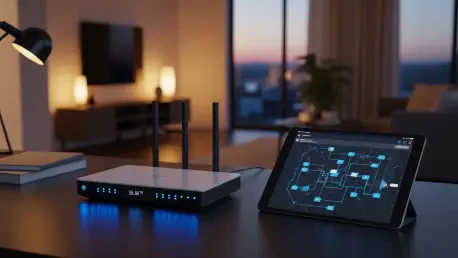

The landscape of residential networking has long been defined by isolated silos where hardware manufacturers dictate the user experience through proprietary applications that rarely communicate with one another. Even as the smart home market moves toward greater interoperability with the widespread adoption of the Matter standard, the central nervous system of these homes—the Wi-Fi router—has remained largely disconnected from broader automation ecosystems. Recent discoveries within the Google Home software architecture indicate a significant shift is underway, as the platform appears to be preparing for deep integration with third-party routers and mesh networking systems. This development suggests that the days of switching between multiple apps just to manage guest access or monitor bandwidth are coming to an end. By centralizing these essential functions, the industry is moving toward a more cohesive digital environment where the underlying infrastructure is as manageable as a smart light bulb or a security camera.
Expanding the Ecosystem Beyond Nest Hardware
Breaking the Proprietary Barrier: A New Standard for Integration
Historically, the most advanced networking features within the Google Home app were strictly reserved for the company’s own Nest-branded hardware, creating a closed loop that limited consumer choice. However, the emergence of a new “Home Network” framework suggests that this long-standing restriction is being dismantled in favor of a more inclusive approach that supports diverse manufacturers. This technical evolution would allow users who prefer high-performance gaming routers from companies like Asus or specialized mesh systems from Netgear to enjoy the same level of visibility and control as those within the native Nest ecosystem. The transition involves creating a standardized set of APIs that can pull real-time data from third-party firmware, presenting it in a clean and familiar interface. Such a move not only simplifies the user experience but also acknowledges that the modern smart home is composed of a heterogeneous mix of hardware that must work together seamlessly.
Enhancing Connectivity Through Unified Management Dashboards
Integrating third-party router management directly into the primary smart home dashboard offers immediate practical benefits, particularly when it comes to troubleshooting and device optimization. When a user can see their entire network topology alongside their smart devices, it becomes significantly easier to identify which specific access point is causing latency for a security camera. This view eliminates much of the guesswork that typically accompanies home network maintenance, as the app can provide proactive alerts and automated suggestions for channel optimization. Furthermore, the ability to manage connected device priorities ensures that high-bandwidth activities are never throttled by background updates from dozens of low-power sensors. This level of granular control, once the domain of IT professionals, is being repackaged into an accessible format that empowers the average consumer to maintain a high-performing digital environment without needing specialized technical knowledge.
Strategic Hurdles and Future Smart Home Standards
Navigating Security and Privacy in Centralized Data Environments
While the convenience of a single management interface is undeniable, it also introduces complex questions regarding data privacy and the security of the household’s digital gateway. By granting a major ecosystem provider deeper access to the router’s inner workings, users are effectively consolidating their digital footprint into a single platform, which necessitates rigorous encryption standards. Manufacturers of third-party routers must ensure that sharing their diagnostic data with an external app does not create new vulnerabilities or expose sensitive user information. The industry is currently working toward establishing secure handoff protocols that allow for control without compromising the firewall integrity that these routers provide. If implemented correctly, this centralized model could actually improve overall security by making it easier for users to keep their firmware updated and to monitor for unrecognized devices that may have joined the network without permission.
Future-Proofing the Smart Home With Thread and Matter
As the smart home landscape continues to mature from 2026 to 2028, the integration of Wi-Fi management becomes essential for the successful deployment of Thread and Matter technologies. Many modern third-party routers now function as Thread Border Routers, and having the ability to manage these nodes from within Google Home ensures a more stable and responsive mesh network for low-power devices. This synergy between traditional Wi-Fi and emerging wireless protocols is what allows for the instantaneous response times that consumers now demand from their automated systems. Strategic partnerships between hardware vendors and software platforms are likely to intensify as the industry seeks to define a universal language for network health. By fostering an environment where different brands can communicate effectively, the industry is setting the stage for a future where the complexity of the network is hidden behind a layer of intelligent automation, allowing users to focus on the benefits of their devices.
Empowering Users Through Advanced Network Orchestration
The transition toward a unified network management system represented a pivotal moment in the maturity of the smart home, moving away from fragmented control and toward a more intuitive user experience. By allowing third-party hardware to exist on equal footing within a dominant software ecosystem, the industry paved the way for more diverse and capable household infrastructures. Homeowners benefited from this shift as it simplified the technical overhead required to maintain a secure and efficient digital environment, while also providing better tools for managing the increasing number of connected devices. Actionable next steps for users involved reviewing the compatibility of their existing routers and considering hardware upgrades that supported these new integration standards to maximize their system’s potential. Ultimately, the integration of these tools served as a blueprint for future interoperability, ensuring that the foundational layers of technology remained as flexible as the applications they supported.