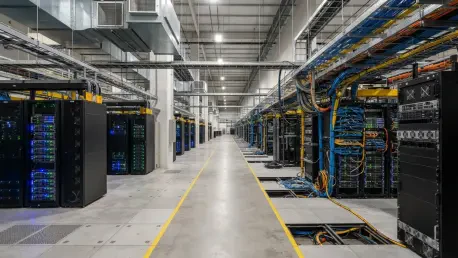

The massive electrical and water consumption required by modern data centers has sparked concerns that residential taxpayers might unfairly subsidize the utility costs of global corporations. In Memphis, this tension has reached a boiling point as the city evaluates its position within the global digital infrastructure landscape through the end of 2026 and into 2028. While the allure of becoming a technological hub is strong, a significant portion of the local community argues that the current pace of development is unsustainable without proper oversight. Dr. Joseph B. Kyles and other advocates are calling for a 12-month moratorium to allow for a rigorous assessment of the potential risks associated with these high-intensity facilities. This movement suggests that the rapid influx of mega-scale data centers could place an undue burden on the municipal grid and local aquifers, necessitating a temporary pause to ensure that the city’s long-term health and environmental integrity remain intact for the residents of Shelby County.
Balancing Innovation With Civic Responsibility
The Philosophy Of Responsible Technological Growth
Artificial intelligence and high-performance computing represent some of the most significant achievements of the current era, offering transformative potential for fields like medicine and environmental science. However, the physical reality of these digital advancements involves massive industrial sites that consume millions of gallons of water for cooling and require constant, high-voltage electricity. Without thoughtful public policy, this expansion threatens to transform Memphis into a corporate experimentation zone, where the pursuit of processing speed outweighs the preservation of human welfare.
The challenge lies in integrating these facilities so they contribute to the local economy without degrading the neighborhoods that surround them. True innovation must be measured by a city’s ability to protect its most vulnerable residents while participating in the global tech economy, ensuring that progress does not come at the cost of the very people it aims to serve. Memphis must avoid the pitfalls of unchecked industrialization by establishing a development model that prioritizes social equity and long-term sustainability over short-term corporate gains.
Establishing Scientific And Medical Baselines
A central component of the proposed moratorium involves the implementation of comprehensive health assessments for residents living in proximity to planned industrial sites. By establishing a scientific baseline for respiratory and cardiovascular health in 2026, the city can accurately measure any future environmental impacts as data center clusters grow. These voluntary medical screenings, conducted by independent researchers, would provide empirical data to distinguish the specific effects of new infrastructure from existing environmental factors.
This data-driven strategy replaces corporate assurances with verifiable medical evidence, allowing local leaders to make informed decisions about zoning and public health protections. Proponents argue that understanding the existing health landscape is the only responsible way to proceed, as it ensures that any subsequent industrial activity is held to a standard that prioritizes the biological well-being of the population. Without such baselines, the community remains unable to hold global entities accountable for potential environmental degradation.
Protecting The Local Economy And Environment
Economic Equity And Residential Safeguards
The financial implications of hosting hyper-scale data centers extend far beyond initial construction jobs and tax incentives. Because these facilities require unprecedented amounts of electricity and water, there is a legitimate fear that utility providers may raise rates for residential consumers to fund necessary grid and pipeline upgrades through 2028. A sustainable development model must include enforceable community benefit agreements that require multi-billion-dollar corporations to offset these infrastructure costs directly rather than passing them to citizens.
Furthermore, protecting home equity for families in these industrial zones is paramount; companies should be prepared to offer fair market compensation or relocation assistance if their operations significantly alter the residential character of a neighborhood. Seniors living on fixed incomes and working-class families should not be forced to bear the indirect costs of global corporate expansion. Economic reciprocity must be a non-negotiable requirement, ensuring that the presence of big tech results in a measurable increase in local quality of life and financial security.
A Framework For Sustainable Infrastructure
A 12-month pause would provide the necessary window for local government to conduct exhaustive studies on the environmental and logistical capacity of the region. This research would specifically target air quality monitoring, aquifer depletion rates, and the overall stability of the power grid during peak demand periods expected from 2026 through the next several years. Beyond environmental concerns, this framework should mandate the use of local contractors and professional services for all phases of data center development to keep capital within the city.
By ensuring that a significant portion of the investment remains within the Memphis community, the city can foster a more inclusive economic environment. This period of study would allow for the creation of rigorous zoning laws that prevent the clustering of industrial facilities in a way that overwhelms local resources. The goal is to move toward a balanced approach where technological growth is harmonized with the preservation of essential public services, ensuring that the infrastructure of the future does not compromise the needs of the present.
Accountability and Visionary Leadership
Global Perspectives On Human Rights
Advocacy for a development pause draws inspiration from decades of international human rights experience, emphasizing that progress is only legitimate when it is accompanied by transparency. The current debate in Memphis is not a struggle between those who favor technology and those who fear it, but rather a collective effort to define the ethical boundaries of corporate expansion in 2026. Leaders must recognize that ignoring the concerns of the citizenry undermines the social contract and creates long-term friction that can stifle actual growth.
Effective governance requires a willingness to listen to diverse perspectives, from medical professionals to educators, ensuring that the city’s trajectory is guided by a shared vision. By prioritizing human dignity over the speed of industrial permitting, Memphis has the opportunity to model a more compassionate approach to urban planning. This accountability ensures that the technological boom serves as a tool for community empowerment rather than a mechanism for displacement or environmental neglect, setting a high standard for municipal leadership.
Establishing A Visionary Path Forward
The proposed moratorium represented a strategic pivot toward a future where community health and economic stability served as the primary metrics for success. Leaders identified that a temporary pause allowed for the creation of a blueprint that balanced corporate interests with the fundamental needs of residential neighborhoods. By the end of the assessment period, the city successfully implemented new standards for utility cost transparency and environmental monitoring, ensuring that global tech firms contributed fairly to the local infrastructure and the municipal tax base.
These actions moved the conversation away from reactive planning toward a proactive model of sustainable development that protected the region’s natural resources. The community ultimately reached a consensus that emphasized the protection of seniors and the preservation of home equity as central tenets of urban growth. This approach transformed Memphis into a national example of how a city could negotiate with multinational entities while maintaining its commitment to public health. The resulting framework ensured that technological progress remained synonymous with the well-being of every citizen.