
Orillia is currently benefiting from a multi-million dollar investment aimed at resolving previous service gaps in both rural and densely populated districts. As the digital landscape evolves, residents and visitors alike have found that the traditional connectivity standards of the past decade no longer suffice for modern life. The city, situated as a gateway to Ontario’s cottage country, has seen a dramatic increase in residency and seasonal traffic, putting immense pressure on legacy cellular systems. Local leaders and telecommunications giants have recognized that reliable mobile access is no longer a luxury but a fundamental utility required for public safety, economic development, and daily convenience. This transformation represents a comprehensive overhaul of the regional telecommunications map, moving away from a model of mere survival toward high-capacity abundance. By targeting specific geographic bottlenecks and leveraging the latest radio frequency technology, the project aims to turn dead zones into a seamless corridor.
Strategic Infrastructure: The Shift Toward Network Densification
One of the primary drivers behind this localized technological surge is the concept of network densification, a strategy heavily championed by major providers like Bell. Unlike previous eras where a single tall tower might cover a vast territory with a weak signal, modern 5G and enhanced 4G deployment requires a tighter cluster of sites to handle the sheer volume of data being consumed. Bell officials have pointed out that while basic voice services were technically available in the past, the rapid shift toward high-bandwidth activities—ranging from professional video conferencing to high-definition streaming—created a functional deficit. This densification involves placing equipment closer to the end-user, which not only increases speed but also improves the reliability of connections inside buildings and during peak usage hours. By reinforcing the existing grid with more nodes, the network becomes more resilient, ensuring that a surge in traffic in one area does not degrade the experience for other users.
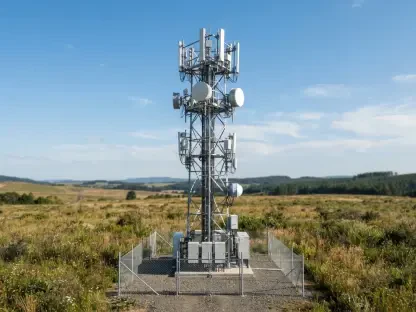
A notable milestone in this effort occurred when Bell activated a sophisticated 44-meter tower at The Narrows, utilizing an existing structure at Crothers Twin Lakes Marina. This particular installation serves as a linchpin for the regional network, specifically targeting the heavy flow of commuter traffic along the Highway 12 corridor. Prior to this activation, drivers and local businesses often reported dropped calls and sluggish data speeds as they moved through this transit-heavy area. By integrating telecommunications hardware into existing marina infrastructure, the provider managed to enhance coverage without the lengthy delays often associated with zoning for entirely new towers. This facility does more than just serve its immediate vicinity; it alleviates the strain on neighboring sites that were previously forced to handle overflow traffic from the Narrows. Consequently, the entire regional network has seen a performance boost, demonstrating how a single, well-placed site can provide cascading benefits for the community.
Regional Advancements: Quantifying The Impact Of Enhanced Connectivity
The roadmap for Orillia’s digital future included a sophisticated blend of adaptive reuse, with plans to install four additional cell sites along the Highway 11 corridor between 2026 and 2028. Telecommunications planners prioritized a stealth approach to infrastructure, where existing buildings or utility poles were modified to hold antennas, thereby minimizing the environmental and visual footprint of the technology. This strategy was particularly important in a city known for its natural beauty and historic charm. However, when topographic challenges or service gaps made adaptive reuse impossible, providers moved forward with purpose-built structures. A prime example was the planned 55-meter tower at Calvary Pentecostal Church, which was designed to provide broad geographic reach in areas where smaller installations were ineffective. These taller rural towers were essential for maintaining a continuous signal across the varied terrain, ensuring that those living on the outskirts had access to the same level of high-speed service.
Rogers also reinforced its regional presence by building or upgrading more than 30 sites in the Orillia area over the last few years. This competitive environment accelerated the rollout of 5G technology, which offered lower latency and higher capacity than its predecessors. Looking forward, the focus shifted toward integrating small-cell technology in the downtown core to support higher densities during tourism peaks. Stakeholders realized that maintaining this momentum required continuous hardware updates to keep the city synchronized with major urban centers. By establishing a culture of proactive maintenance, the city ensured that its digital infrastructure remained a catalyst for growth rather than a bottleneck. The lessons learned during this expansion phase provided a blueprint for other municipalities looking to modernize their own communications networks. Ultimately, the successful deployment of these assets served as a testament to the power of coordination in achieving a common goal: a fully connected community ready to thrive.