
The implementation of 5G+ technology at DXB provides a reliable foundation for current digital applications and upcoming technological integrations across the airport. As global travel volumes reach unprecedented heights, the necessity for a robust digital backbone has moved from a convenience to a critical operational requirement. Dubai International Airport, maintaining its status as a premier global hub, has integrated this advanced mobile network through a partnership with the telecommunications provider du. By achieving peak download speeds exceeding 3Gbps, the facility is now capable of managing the immense data demands of over 95 million annual passengers. This deployment addresses the specific challenges of a massive environment where signal interference and high density often compromise wireless solutions. The shift toward 5G+ represents a pivotal moment in how infrastructure supports both real-time logistics and the expectations of a connected, mobile-first workforce moving through this transit point.
Technical Integration and Network Performance
Infrastructure: Scaling for Global Demands
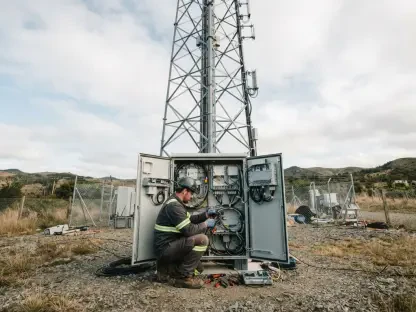
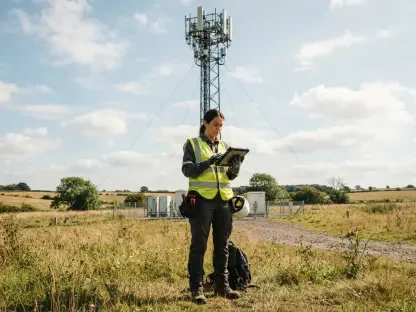
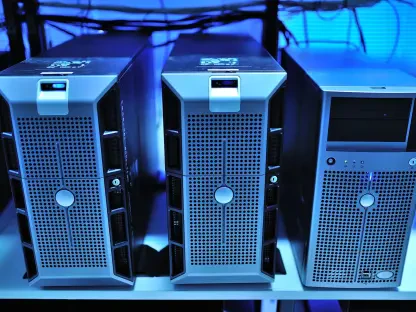
The deployment of 5G+ at DXB involves a sophisticated array of hardware designed to eliminate the common bottlenecks that plague large-scale public venues. During peak periods, such as the intensive winter travel season from 2026 to 2027, the network must handle simultaneous connections from tens of thousands of devices without latency spikes. The integration of du Infra’s hardware allows the airport to maintain a high-performance ceiling even under extreme stress. This capacity is vital because modern aviation relies on a constant stream of data exchange between passengers’ mobile devices, airport staff handhelds, and automated gate systems. By prioritizing high-bandwidth availability, the airport ensures that critical updates and navigational aids remain accessible at all times. This infrastructure doesn’t just provide a faster internet connection; it serves as a resilient utility that underpins every digital interaction within the terminal walls, ensuring that traveler volume never degrades the service.
Indoor Coverage: Overcoming Architectural Barriers
Navigating the architectural complexities of a facility as vast as Dubai International requires more than standard cellular equipment; it demands a customized engineering approach. The 3Gbps benchmark achieved during this rollout is significant because it was realized within an indoor environment characterized by thick concrete, expansive steel structures, and glass partitions that typically obstruct signal propagation. To overcome these barriers, engineers deployed specialized small-cell technology and MIMO systems that optimize signal distribution across the terminals. This technical breakthrough ensures that even in deep interior spaces, the 5G+ signal remains consistent and powerful. Saleem Alblooshi from du noted that this project sets a new global standard for indoor connectivity. By addressing these structural challenges, the network provides a seamless handoff between different zones of the airport, allowing for uninterrupted data flow whether a traveler is at the check-in counter or the boarding gate.
Service Excellence and Operational Future
Travel Experience: Personal and Professional Connectivity
For the modern traveler, high-speed connectivity has evolved into a fundamental expectation that directly influences the quality of their journey. The 5G+ network at DXB enables passengers to engage in data-heavy activities that were previously cumbersome in a shared public space. Travelers can now host high-definition video conferences, download movie libraries in seconds, or stream 4K content without buffering during their layovers. This level of performance is especially beneficial for business travelers who rely on secure, high-speed access to remote servers and cloud applications. Beyond entertainment, the network supports a new generation of airport-specific digital services, such as augmented reality navigation and real-time baggage tracking updates delivered directly to smartphones. By providing this tier of connectivity, the airport effectively reduces the friction associated with long-distance travel, transforming waiting periods into productive windows for the global passenger.
Strategic Vision: Moving Beyond Connectivity
The transition to 5G+ is a strategic maneuver intended to align the airport’s technological capabilities with long-term innovation goals extending from 2026 into the next decade. This network upgrade facilitates the adoption of emerging technologies such as artificial intelligence and massive IoT sensor arrays, all of which require ultra-low latency and high reliability. Omar Binadai from Dubai Airports has emphasized that this infrastructure is the key to creating a more responsive and intelligent operational ecosystem. The data gathered through this high-capacity network will allow for more precise crowd management and resource allocation, leading to shorter wait times and more efficient gate turnarounds. Looking ahead, stakeholders should prioritize the development of proprietary applications that leverage this bandwidth. In conclusion, the successful rollout of 5G+ demonstrates that investing in advanced telecommunications is essential for maintaining a competitive edge in the global aviation market.