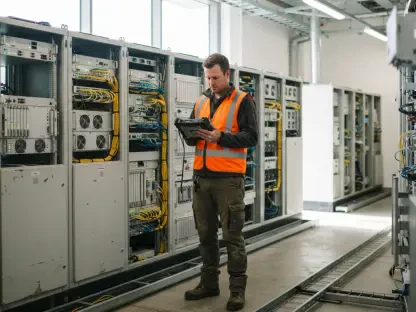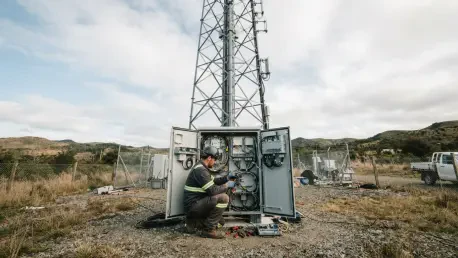

The expansion into smaller towns like Hightown and Melling demonstrates a strategic commitment to bridging the digital divide between urban centers and outlying rural areas. This November rollout marks a significant turning point for infrastructure within the United Kingdom, targeting the Merseyside region with a performance-driven mobile network. By integrating high-capacity technology across 37 distinct locations, including Southport and St. Helens, the initiative aims to revitalize connectivity for over half a million individuals. This development is not merely an incremental update but a complete overhaul designed to support the increasing data demands of a modern workforce and a digitally integrated society. As local economies become more dependent on stable wireless communication, the arrival of this upgraded service provides the necessary foundation for sustained regional growth. This ensures that even the most remote rural communities receive the same standard of service as the bustling city waterfront, fostering unity.
Technological Evolution of Standalone Infrastructure
Standalone Network Transition
The move toward 5G+ signals a departure from the non-standalone configurations that characterized earlier phases of mobile evolution. In the past, 5G services often relied on existing 4G cores to function, which limited the theoretical performance of the new standard. This latest implementation in Liverpool utilizes standalone architecture, meaning the network operates independently of older hardware layers. This shift is critical for achieving ultra-low latency, which is essential for specialized applications such as augmented reality, cloud gaming, and automated industrial processes. By removing the 4G bottleneck, the standalone network provides more consistent throughput even during peak usage times. Users moving through the city center or commuting by train will notice fewer drops in signal quality and a significant reduction in lag. This technical independence allows for more efficient spectrum management, ensuring the network can scale alongside the rapid growth of connected devices.
Reliability and Automation
Central to this technological leap is a massive financial commitment aimed at refining the overall user experience through sophisticated automation and infrastructure density. The current transformation plan involves an expenditure of approximately £700 million throughout the 2026 fiscal cycle to bolster capacity across the country. In Liverpool, this translates to the installation of advanced small cells and high-performance cell towers designed to eliminate notorious dead zones in densely populated or historically difficult-to-reach neighborhoods. These upgrades are managed through automated systems that can dynamically adjust network resources based on real-time traffic patterns, ensuring peak efficiency without manual intervention. Furthermore, the deployment of new spectrum blocks allows for higher data volumes to be processed simultaneously, which directly addresses the congestion issues previously experienced during major public events or within busy commercial districts. This management style represents a shift from reactive maintenance to a predictive model.
Strategic Impact on the Regional Economy
Economic Growth Drivers
For the local business community, the availability of high-speed, reliable connectivity functions as a primary driver of economic resilience. Industry experts, including those leading mobile access engineering at O2, emphasize that top-tier digital infrastructure has transitioned from a competitive advantage to a basic operational requirement. Small and medium-sized enterprises in Kirkby and Rainford can now leverage the same technological tools as global firms headquartered in the city center, effectively leveling the playing field. This regional parity encourages entrepreneurship outside of the traditional metropolitan core, as businesses no longer need to relocate to access the bandwidth required for modern operations. Moreover, the enhanced reliability of the 5G+ network supports the burgeoning remote work culture, allowing professionals to maintain high levels of productivity from any location within the Merseyside borders. By providing a stable platform for digital services, the network expansion acts as a catalyst for local innovation.
Future Implementation Strategies
Stakeholders and residents who successfully integrated these new capabilities into their daily routines established a new benchmark for regional connectivity. The transition toward a standalone infrastructure proved that consistent investment in hardware and software automation was necessary to meet the demands of a data-heavy environment. It became clear that local authorities and business leaders needed to prioritize the adoption of compatible hardware to fully utilize the low-latency benefits provided by the 5G+ standard. Evaluating current mobile contracts and hardware fleets emerged as a critical step for organizations looking to optimize their digital workflows in light of these upgrades. Furthermore, the strategic focus shifted toward exploring how this enhanced capacity supported smart city initiatives and improved public transportation telemetry. By capitalizing on this modernized foundation, the Merseyside region solidified its position as a leader in the digital landscape, ensuring high-performance mobile access remained a permanent fixture.