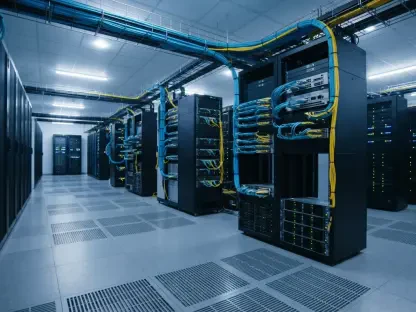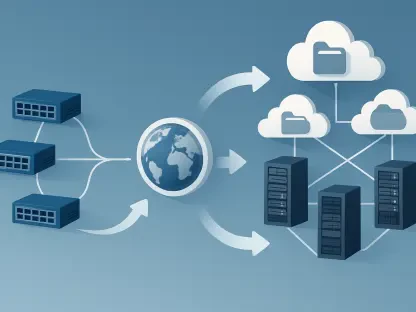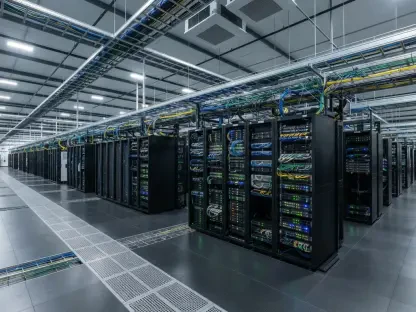

The shift toward edge computing requires data to be processed near the source to reduce latency, a concept that fundamentally challenges centralized hub-and-spoke network designs. As organizations in 2026 attempt to move beyond small-scale generative AI experiments into enterprise-wide

In an application-centric networking model, the traditional relationship is inverted so that the software dictates exact bandwidth and latency requirements directly to the underlying hardware. This paradigm shift represents the culmination of a decades-long pursuit of agility within the enterprise
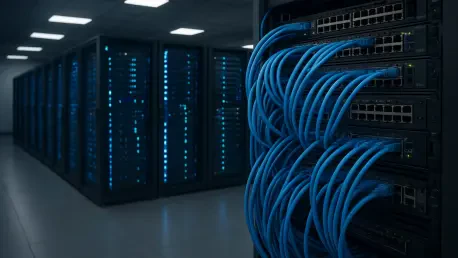
The operational overhead of managing translation tables requires significant hardware resources, as full tables can lead to connection failures during extreme traffic loads. In the current landscape of 2026, Network Address Translation has transitioned from a simple tool for address conservation to
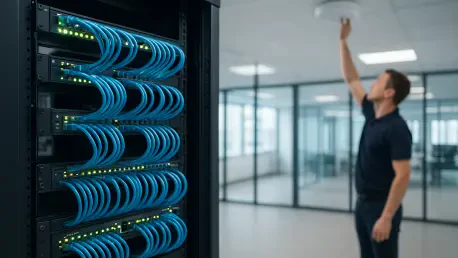
Transitioning to high-density video conferencing and cloud-native applications requires a network architecture that treats connectivity as a foundational business asset rather than a simple utility. In the current operational landscape, small and medium enterprises often find themselves at a

Agencies risk significant financial waste through GPU starvation if their networks cannot deliver data fast enough to keep high-performance processors active. This critical bottleneck has become a primary concern for federal IT leaders as they transition from isolated AI pilots to enterprise-wide

In a landscape where digital footprints are traded like commodities, millions of individuals depend on a fragile web of volunteer servers to shield their identities from prying eyes. This intricate system, known as the Tor network, serves as a vital lifeline for whistleblowers, journalists, and