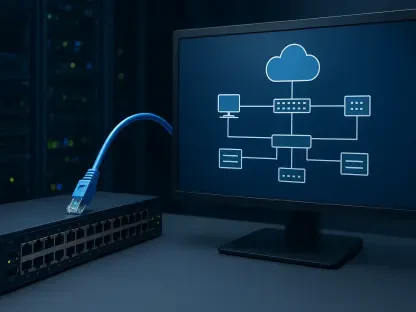

The current cybersecurity landscape has reached a tipping point where automated malware variants can breach a perimeter and begin lateral movement in less time than it takes a human analyst to receive an alert. To combat this unprecedented velocity of digital aggression, Cato Networks has
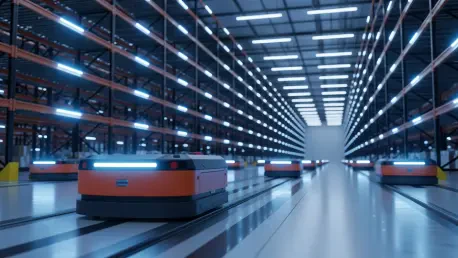
Imagine a massive fleet of autonomous logistics vehicles coming to a complete standstill because the central processing unit could not keep up with the millisecond-by-millisecond telemetry updates required for safe navigation. This scenario illustrates that while the Internet of Things has matured
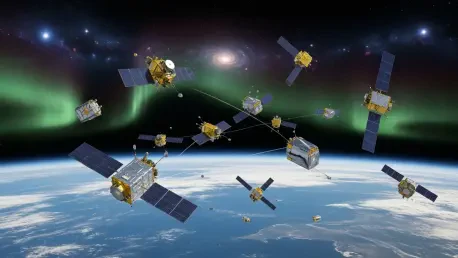
The digital landscape of the South Korean peninsula is undergoing a profound transformation as the nation gradually pivots from its long-standing reliance on terrestrial fiber-optic networks toward an integrated celestial infrastructure. While 5G technology has provided an exceptional foundation
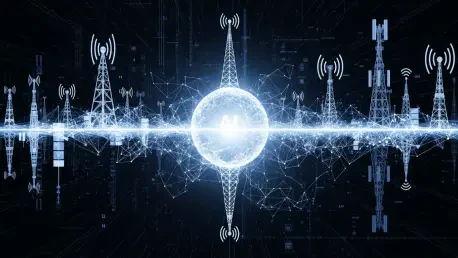
The global telecommunications industry is currently experiencing a profound metamorphosis where the fundamental architecture of the Radio Access Network is evolving from a collection of static hardware components into a highly agile, AI-native computing platform. For decades, the Radio Access

The digital perimeter of modern enterprise networks effectively vanished when Arista Networks confirmed a critical vulnerability in its VeloCloud Orchestrator that bypassed all traditional security gates. This flaw, recently identified in the on-premises versions of the platform, represents a

Redefining the Hybrid Security Perimeter with the FortiGate 1200G Enterprise technology leaders are currently grappling with a fragmented digital landscape where the distinction between secure local networks and cloud-delivered protection has practically vanished into a complex hybrid reality.