
Tier-one players such as Geotab and Samsara have already surpassed significant milestones, managing millions of active units across the continent. This momentum indicates a fundamental shift in how commercial logistics operates within the North American landscape, where data is no longer a peripheral asset but the primary driver of efficiency. As the industry moves toward 2030, the transformation of fleet management into an integrated digital ecosystem is accelerating at an unprecedented pace. Organizations no longer view telematics as a simple add-on; it has become a central nervous system for supply chains. The convergence of hardware and software allows for real-time decision-making that was previously impossible. This evolution is driven by regulatory requirements, environmental sustainability goals, and the pursuit of operational cost reduction in a competitive market. These factors ensure that connected vehicles remain at the very heart of North American commerce, providing a foundation for the next generation of logistics technology.
Rapid Growth and Market Penetration Trends
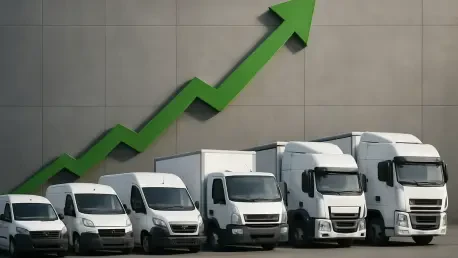
The commercial transportation sector is currently witnessing a massive surge in digitization that is projected to continue throughout the remainder of the decade. By 2030, the number of active fleet management units in North America is expected to climb to 36.2 million, a significant leap from the 21.3 million units recorded at the end of 2025. This trajectory represents a compound annual growth rate of 11.2%, signaling that telematics technology is rapidly moving from early adoption into the mainstream. For fleet owners, this means that digital tools are becoming standard across all vehicle classes, from heavy-duty long-haul trucks to local delivery vans. This widespread adoption is fueled by the need for better visibility into asset utilization and fuel consumption, especially as energy prices remain volatile. As more businesses integrate these systems, the baseline for operational excellence is being redefined, making manual logs and traditional dispatching methods obsolete while improving the overall transparency of the supply chain.
Market penetration is reaching a tipping point, with forecasts suggesting that nearly 90% of the 34 million commercial vehicles in North America will be equipped with management systems by 2030. In 2025, this rate stood at roughly 61%, meaning that in just a few years, almost every vehicle on the road will be a connected node in a massive network. This level of saturation shifts the competitive focus from simple hardware sales to the delivery of high-value software services. As the market matures, the differentiation between providers will depend on their ability to offer actionable insights rather than just raw data. Fleet operators are looking for platforms that can translate complex telematics signals into clear directives for improving safety and reducing downtime. The focus is transitioning from simple tracking to business model optimization as legacy systems are replaced by agile, cloud-native solutions that support deep enterprise integration, ensuring that every data point collected contributes directly to the bottom line.
Industry Consolidation and the Competitive Hierarchy
A distinct concentration of power has emerged within the North American telematics market, where a handful of dominant vendors now control approximately half of all active units. Companies like Geotab, which manages several million regional subscribers, and Samsara, alongside Verizon Connect and Lytx, have established massive economies of scale. This hierarchical structure creates a challenging environment for smaller entrants who lack the capital to compete on a broad technological front. Consequently, the industry is seeing a clear divide between these tier-one giants and specialized niche providers. The scale of these market leaders allows them to invest heavily in research and development, particularly in areas like artificial intelligence and machine learning. This investment cycle further reinforces their market position, as they can offer more sophisticated predictive tools that smaller competitors struggle to replicate, making strategic partnerships or acquisitions the most viable paths for those seeking to survive.
Strategic mergers and acquisitions are fundamentally reshaping the competitive landscape as the industry consolidates to achieve global reach. Recent transactions, such as Platform Science’s acquisition of Trimble’s transportation telematics unit and Powerfleet’s move to absorb MiX Telematics, illustrate a trend toward creating massive, end-to-end service platforms. These consolidations are not merely about increasing unit counts; they are about acquiring specialized intellectual property and diversifying service portfolios across different industrial sectors. By absorbing smaller firms, larger entities can quickly integrate new capabilities like cold-chain monitoring or advanced driver assistance systems without the lengthy timeline of internal development. This trend is expected to continue as the market nears total saturation, with the most successful firms becoming comprehensive data hubs that provide fleet operators with the stability and unified technology needed to manage complex fleets across multiple borders.
Future Pathways for Operational Intelligence
Looking toward the end of the decade, the emphasis on fleet management is transitioning from simple tracking to high-level operational intelligence that transforms safety and sustainability. Providers are increasingly deploying AI-powered video telematics to monitor driver behavior in real-time, which helps in preventing accidents and significantly lowering insurance premiums for high-risk operations. Beyond safety, the focus is shifting toward predictive maintenance systems that use machine learning to identify potential mechanical failures before they lead to costly roadside breakdowns. This proactive approach to maintenance is essential for maximizing vehicle uptime and extending the lifespan of commercial assets. Additionally, the transition to electric vehicles requires entirely new datasets, such as battery health monitoring and charging station optimization, which are becoming standard components of modern fleet platforms. These advancements ensure managers can maintain control over costs even as vehicle technologies undergo a radical shift.
The industry successfully navigated the initial hurdles of connectivity and has now moved into a phase of deep interoperability and data synthesis. Fleet operators realized that having access to data was only half the battle; the real value lay in integrating that data across disparate platforms to create a unified view of the enterprise. Actionable steps for the future include the adoption of open-source data standards that allow information to flow seamlessly between manufacturers, software providers, and logistics planners. This strategy will enable companies to build more resilient supply chains that can adapt to disruptions in real-time. By prioritizing platforms that offer cross-brand compatibility, organizations can avoid vendor lock-in and maintain a flexible fleet composition. Moving forward, the focus must remain on leveraging these connected assets to drive environmental compliance. The data-driven insights gained today have laid the foundation for a more sustainable and efficient transportation network that will serve North American infrastructure well into the next decade.