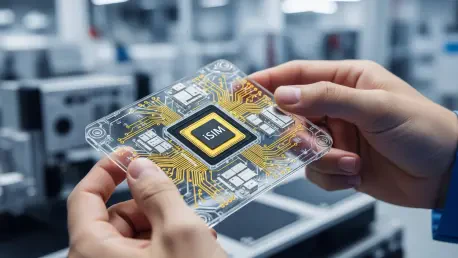

The rapid expansion of massive IoT deployments across the Asia-Pacific region has necessitated a shift toward standardized remote SIM provisioning to overcome the logistical hurdles of physical SIM management. As billions of devices connect to the internet, the complexity of managing disparate mobile networks across multiple borders has become a significant barrier to entry for many enterprises. Thales and Bridge Alliance have stepped into this void, combining their respective strengths in digital security and regional network aggregation to provide a unified solution. This partnership focuses on the integration of Thales’ eSIM and iSIM management platforms with the extensive cellular footprint of the Bridge Alliance member operators. By doing so, they enable a seamless transition for manufacturers who previously struggled with the high costs and technical friction of localized deployments. The current technological climate demands an architecture that is not only scalable but also deeply integrated into the existing telecommunications infrastructure of the region.
Streamlining Regional Connectivity: The Impact of New Standards
Central to this collaboration is the adoption of the GSMA SGP.32 specification, which represents the latest evolution in remote SIM provisioning for IoT devices. This standard is designed to simplify the way devices connect to cellular networks by moving away from the complex SMS-based triggers of the past toward an IP-based approach that is more efficient and reliable. By implementing this specific framework, Thales and Bridge Alliance allow for the automatic switching of profiles based on predefined business rules or geographic location. This means that a smart meter or a connected vehicle can be manufactured in one part of the world and automatically provisioned with a local Bridge Alliance member profile upon arrival in its destination market. The reduction in manual intervention is substantial, allowing IT departments to focus on data analysis rather than the connectivity logistics. This level of automation is essential for maintaining the momentum of digital transformation throughout the APAC region.
The economic implications for original equipment manufacturers and large-scale enterprises are profound, as the ability to manage a global fleet through a single platform drastically reduces operational overhead. Managing different contracts and physical SIM inventories for each individual country within the Asia-Pacific territory was previously a logistical nightmare that deterred many companies from expanding their IoT footprint. Now, with the centralized orchestration offered by Thales and the collective reach of Bridge Alliance, these organizations can leverage a “one-stop-shop” model for regional connectivity. This not only speeds up the time-to-market for new products but also ensures that the connectivity remains cost-effective through local rates rather than expensive international roaming. Furthermore, the integration of hardware-based security protocols ensures that every connected device remains protected against unauthorized access, facilitating more informed decision-making regarding future expansions.
The strategic implementation of these advanced connectivity solutions provided a clear pathway for enterprises to scale their IoT operations without the traditional risks of fragmentation. Companies that prioritized the transition to GSMA-compliant remote provisioning platforms found themselves better positioned to navigate the evolving regulatory landscape of the Asia-Pacific region. They successfully avoided the pitfalls of vendor lock-in by utilizing open standards that allowed for greater flexibility in carrier selection and security management. The collaborative efforts of Thales and Bridge Alliance essentially standardized the industrial IoT experience, making it as seamless as consumer mobile roaming but with the robust security required for enterprise-grade applications. Future deployments focused on the integration of artificial intelligence at the edge, where reliable and secure connectivity served as the foundational layer for real-time processing. By embracing this unified approach, stakeholders throughout the ecosystem ensured that their digital assets remained resilient.