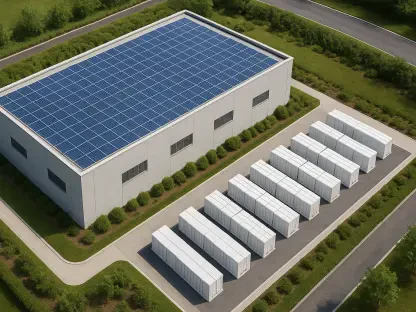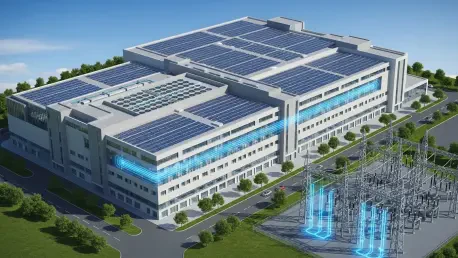

The rapid proliferation of Artificial Intelligence has sparked a global technological race, yet the physical foundation of this digital revolution is increasingly under fire from the very communities tasked with hosting its massive, energy-hungry infrastructure. While software developers and silicon manufacturers celebrate the dawn of a new cognitive era, residents in once-quiet suburban and rural regions are witnessing the arrival of windowless, industrial monoliths that consume vast quantities of water and power. This friction has created a profound rift between multi-billion-dollar tech giants and the residents of the towns they inhabit, turning routine zoning meetings into heated battlegrounds. What was once viewed as a clean, high-tech industry is now being reconsidered through the lens of resource scarcity and community autonomy. As hyperscalers continue to expand their physical footprints, the tension between global digital ambitions and local physical realities has reached a critical tipping point.
The Unprecedented Scale of Infrastructure Expansion
The Skyrocketing Demand for Computational Power
The transition from traditional cloud computing to modern AI-driven workloads has fundamentally altered the physical and mechanical requirements of data centers. These facilities now require specialized hardware, such as high-density GPU clusters and custom-designed Tensor Processing Units, which generate significantly more heat and demand vastly higher energy capacities than standard web-hosting servers. Unlike the server farms of the previous decade, AI-specific sites operate at a density that pushes existing electrical and cooling infrastructure to its absolute limits. This shift has forced developers to abandon urban centers in favor of rural landscapes where land is cheap and power lines are accessible, yet the sheer scale of these projects often dwarfs the local infrastructure they rely upon. As the complexity of neural network training grows, the physical size of these data campuses has ballooned into multi-billion-dollar industrial complexes that bear little resemblance to the “cloud” they are meant to represent.
This technological shift is supported by staggering financial projections, with global capital expenditure for AI infrastructure expected to reach several trillion dollars by the end of the current decade. In the United States alone, the surge in investment has triggered a flurry of mergers and acquisitions as tech giants like Amazon, Google, and Microsoft scramble to secure land and power rights. However, this aggressive financial momentum is increasingly colliding with the realities of local land use and resource availability. The disconnect between the abstract value of AI and the concrete impact of its physical anchors has led to a situation where financial power alone is no longer enough to guarantee project success. As the industry moves into the latter half of the 2020s, the primary obstacle to AI growth is no longer software innovation, but rather the availability of physical space and the willingness of local populations to permit these massive expansions in their own backyards.
The Growing Wave of Grassroots Resistance
Despite the massive capital and political influence behind these projects, a significant and growing wave of local opposition is successfully stalling the industry’s momentum. Recent reports indicate that bipartisan community groups have managed to block or delay tens of billions of dollars in planned developments over the last year, demonstrating that grassroots activism can indeed challenge the world’s largest corporations. This resistance is not a localized phenomenon or a “not in my backyard” sentiment confined to a single region; it is a widespread movement spanning dozens of states and involving over a hundred distinct activist organizations. From rural Virginia to the suburbs of Ohio, citizens are forming coalitions to protect their environment and their quality of life from what they perceive as an unchecked industrial invasion. This organized pushback has forced many developers to pause their plans and reconsider their approach to site selection and community relations.
The core of this debate rests on a fundamental question of whether the benefits of these hyperscale facilities justify the massive disruption they cause to rural and residential areas. In states like Virginia, Ohio, and Texas, the pushback has moved beyond simple neighborhood complaints into a highly organized and sophisticated political force. Residents are no longer willing to accept industrial encroachment without a fight, regardless of the technological prestige or the “innovative” branding involved. These activist groups often include a diverse mix of conservationists, fiscal conservatives, and local homeowners who are united by a common concern for their local resources. They leverage social media, legal challenges, and local elections to ensure that their voices are heard, creating a new layer of risk for developers who previously assumed that large-scale infrastructure projects could be pushed through with minimal public scrutiny.
The Economic Debate Over Local Incentives
The Developer’s Value Proposition for Towns
Proponents of data center expansion frequently argue that these projects represent a windfall for local economies, providing high-quality tech jobs and essential tax revenue that can fund public services. Industry leaders often point out that the wages offered by these facilities significantly exceed the average state wage, creating a new tier of technical employment in regions that may have lost traditional manufacturing jobs. They also emphasize the massive, albeit temporary, surge in labor demand during the multi-year construction phase, which can revitalize local vendor networks, including everything from specialized electrical contractors to local hospitality services. For many smaller towns, the arrival of a major data center is presented as a modernization effort that ties the local economy to the most lucrative sector of the global market, theoretically insulating the community from regional economic downturns.
Furthermore, developers highlight the potential for data centers to significantly alleviate the tax burden on individual residents through massive property tax contributions. In some notable instances, the revenue generated by a single hyperscale facility has been so substantial that local governments have proposed the total elimination of residential property taxes or the massive expansion of public school budgets. For municipalities struggling with long-term budget deficits or crumbling infrastructure, these deals are often presented as a once-in-a-lifetime opportunity to achieve financial stability without raising taxes on citizens. Pro-development officials argue that the presence of these “silent neighbors” provides a high ratio of tax income to service demand, as data centers do not require public schools, extensive police presence, or the same level of social services that residential developments or large-scale retail centers typically necessitate.
Skepticism Regarding Long-term Economic Gains
Critics and local activists view these economic promises with deep skepticism, particularly regarding the industry’s reliance on aggressive tax abatements and public subsidies. Many residents argue that agreements like Tax Incremental Financing allow corporations to keep a majority of the revenue that would otherwise fund essential services, essentially forcing the community to subsidize the operations of the world’s wealthiest firms. This creates a perception that tech giants are receiving “free handouts” at the expense of local infrastructure, as the tax breaks often span decades and drain potential funding from schools and emergency services. In some cases, the actual tax revenue realized by the town is only a fraction of what was initially promised, leading to a sense of betrayal among the public when they realize that the financial benefits are skewed heavily in favor of the corporation.
Additionally, the promise of permanent job creation is often scrutinized once the dust settles and the construction crews depart the site. While the physical footprint of these facilities is enormous—often spanning hundreds of thousands of square feet—the number of permanent staff required to maintain them is surprisingly low, often fewer than 150 workers for an entire campus. Critics argue that this minimal level of long-term employment does not justify the massive consumption of local resources or the permanent alteration of the pastoral landscape. When the number of jobs created per acre is compared to traditional manufacturing or even retail, data centers often rank near the bottom, leading to the conclusion that they are “land-hungry but job-poor.” This realization has prompted many communities to reconsider whether the environmental and social costs are truly offset by the limited economic returns provided by a handful of high-tech maintenance roles.
Environmental and Resource Infrastructure Concerns
Rising Energy Demands and Grid Instability
The power requirements of modern AI infrastructure are immense, with single facilities often demanding over 100 megawatts, which can place an unsustainable strain on regional power grids. In many communities, residents have already reported noticeable increases in their monthly utility bills, which they attribute to the massive infrastructure upgrades needed to support nearby data center campuses. There is a growing fear that during periods of peak demand, such as extreme heatwaves or cold snaps, these facilities could cause grid instability or even localized brownouts for residential consumers. The sheer scale of energy consumption has transformed local utility planning into a controversial public issue, as citizens realize that their electricity providers are prioritizing industrial giants over the needs of the average household and local small businesses.
The massive energy draw from these facilities has also raised concerns about the source of that power and the long-term impact on regional carbon goals. While many tech companies claim to be “carbon neutral,” local residents point out that the physical power must come from the existing grid, which often relies on fossil fuels during periods when renewable output is low. This tension is particularly acute in areas where the electrical grid was originally designed for light industrial use and is now being forced to accommodate the heavy, constant demands of 24/7 AI processing. The need to build new substations, high-voltage transmission lines, and even dedicated power plants has sparked a series of legal challenges from homeowners who do not want industrial-scale electrical equipment infringing on their property lines or marring the aesthetic of their neighborhoods.
Water Consumption and Ecological Threats
Cooling the massive server arrays within a modern data center can require millions of gallons of water every day, posing a direct threat to local water security and ecological health. In ecologically sensitive areas, development near nature preserves or protected wetlands has sparked legitimate fears that large-scale groundwater extraction will deplete local aquifers faster than they can be replenished. The prospect of water shortages has turned many conservationists and farmers into vocal opponents of data center expansion, as they fear for their livelihoods and the long-term viability of their land. In regions already facing drought conditions, the idea of diverting millions of gallons of fresh water to cool computers is seen by many as an ethically questionable and environmentally irresponsible use of a finite and essential resource.
Beyond the sheer volume of consumption, the potential for water pollution and thermal degradation is a major regulatory and public health concern. The discharge of wastewater containing biocides, anti-corrosion agents, and heavy metals used in industrial cooling processes has prompted intense scrutiny from environmental agencies and local watchdog groups. Communities are increasingly worried about the long-term health of their local river systems and the potential for chemical runoff to contaminate drinking water supplies or harm local wildlife. This environmental anxiety is compounded by a lack of transparency regarding the exact chemical composition of the discharge, leading many residents to demand stricter oversight and more rigorous testing protocols for any facility that interacts with the local water cycle.
Sensorial Pollution and Public Health Risks
The transition from quiet rural farmland to bustling industrial hubs introduces a form of “sensorial pollution” that many residents find fundamentally unbearable and damaging to their quality of life. The constant, low-frequency hum of massive cooling fans and industrial HVAC systems is a common grievance, as it destroys the tranquility of previously quiet neighborhoods and can be heard from miles away. This noise is not merely a nuisance; for many, it represents a significant decline in mental well-being and a potential threat to property values. Residents who moved to rural areas specifically for the peace and quiet now find themselves living next to an industrial soundscape that never stops, leading to a sense of displacement and frustration that often boils over at public hearings.
Public health concerns also extend to the industry’s reliance on massive arrays of diesel backup generators, which are necessary to ensure that AI models remain online during power outages. While developers argue that these generators are intended for emergency use or periodic maintenance, the potential for air quality degradation remains a persistent point of anxiety for local populations. Residents, particularly those with pre-existing respiratory conditions or families with young children, fear the cumulative impact of industrial emissions in areas that were once prized for their clean air and pristine environments. The sight of hundreds of diesel exhaust stacks lined up along a property boundary serves as a constant reminder of the industrial nature of these facilities, further alienating the tech industry from the communities they claim to benefit.
The Crisis of Transparency and Governance
Non-Disclosure Agreements and Secret Deals
A primary driver of community outrage is the widespread and controversial use of non-disclosure agreements during the early negotiation phases of data center deals. Developers argue these agreements are necessary to protect trade secrets and maintain a competitive advantage in a fast-moving market, but residents feel they are being intentionally excluded from decisions that fundamentally change their homes. This “closed-door” approach has frequently led to situations where zoning laws are altered or land is rezoned before the general public is even aware that a project of this magnitude is under consideration. By the time the community is notified, the deal is often so far along that local opposition feels performative and futile, leading to a deep-seated resentment toward both the corporations and the local officials who signed the NDAs.
This lack of transparency has created a significant deficit of trust between citizens and their elected representatives, as people question whose interests are truly being served. When multi-billion-dollar deals are finalized in secret, it fosters an environment of suspicion, where rumors of “backroom deals” and corporate influence run rampant. Many activists now view the current development process as fundamentally broken, arguing that it favors corporate expediency and legal shielding over the principles of democratic participation and community consent. The use of NDAs has transformed what should be a public planning process into a private transaction, leaving residents to deal with the consequences of decisions they were never allowed to debate or influence until it was too late to make a meaningful difference.
Legislative Maneuvering and Public Records
In several regions, controversial legislative clauses have been introduced to further shield data center developers and their government partners from public record requests. These laws allow businesses to submit sensitive information to political subdivisions without it becoming accessible to the public, effectively creating a “black box” around the true impact of these projects. Critics argue that such measures silence the community and prevent any meaningful oversight of how precious land and local resources are being allocated. By limiting the public’s ability to review utility agreements, environmental impact reports, or tax incentive structures, these legislative maneuvers have only increased the sense of urgency among activists who feel they are fighting against a system that is intentionally rigged against them.
This legislative trend has galvanized local resistance, as residents feel they have no “seat at the table” and no legal recourse to understand the true scope of industrial expansion in their backyards. The perception that the legal and political system is being manipulated to favor hyperscalers has shifted public sentiment from cautious curiosity to active and organized hostility. For many communities, the fight against data centers has evolved into a broader struggle for the basic right to transparency and the ability to hold their government accountable. As more towns discover that their local laws have been bypassed by state-level mandates or secretive agreements, the movement against data centers continues to gain members who are motivated by a desire to restore local control over their own geographic and economic futures.
The Rise of Legal Challenges and Ballot Initiatives
Faced with what they perceive as a lack of transparency and a failure of traditional governance, many communities are turning to the legal system and the ballot box to voice their opposition. In several states, residents have successfully organized local referendums to overturn rezoning decisions or to implement outright bans on large-scale data center developments. These grassroots efforts have proven that local voters can exert significant power over the industry’s expansion when they are sufficiently motivated and organized. By taking the issue directly to the people, these ballot initiatives bypass the influence of corporate lobbyists and force local officials to answer to their constituents rather than to the developers who promise future tax revenue.
Litigation has also become a common and effective tool for delaying or stopping projects, with residents suing municipalities over alleged failures in public notice procedures or environmental violations. Beyond the courtroom, global activist groups like PauseAI are coordinating protests to highlight the environmental and existential risks associated with the rapid and unchecked growth of AI infrastructure. This wave of legal and political resistance is creating a tangible financial impact on the tech industry, as project delays can cost developers millions of dollars in lost productivity and legal fees. The increasing frequency of these challenges suggests that the era of easy, uncontested data center expansion is over, and that developers must now prepare for a much more contentious and legally complex environment if they wish to build in established communities.
Shifting Toward Sustainable and Ethical Practices
The Evolution of Industry Engagement
In response to the growing and increasingly effective backlash, some segments of the data center industry are beginning to move toward more transparent and collaborative engagement models. There is a burgeoning realization among executives that the era of extreme secrecy may be counterproductive, as data center locations are now easily identified by the public through satellite imagery and utility permits. Forward-thinking operators are starting to engage more directly with town halls and community groups to demystify their operations and address concerns before they escalate into legal battles. This shift involves a move away from legal shielding and toward genuine stakeholder engagement, where developers seek to understand the specific needs and fears of the local population before a single shovel hits the ground.
By addressing community concerns early in the physical planning process, some developers hope to rebuild the trust that has been lost over the past few years of secretive expansion. This new approach often includes public tours of existing facilities, more detailed environmental impact disclosures, and a willingness to negotiate the terms of the project in a truly public forum. The goal is to find a middle ground where technological growth can occur without steamrolling the interests of local residents or permanently damaging the local environment. While it remains to be seen if this cultural shift will be adopted by all major players, the early results suggest that transparency and open communication can significantly reduce the level of hostility and lead to more sustainable long-term partnerships between the industry and the public.
Innovative Mitigation and Green Technologies
To appease environmental concerns and ensure long-term operational viability, operators are increasingly implementing technologies designed to drastically reduce their physical and ecological footprint. Some facilities are moving toward advanced closed-loop cooling systems that reuse the same water indefinitely, potentially reducing freshwater consumption by a massive margin compared to traditional evaporative cooling methods. Others are exploring the use of hydrogen fuel cells or small modular reactors to decrease their reliance on the traditional power grid and provide a more stable, carbon-free energy source. These technological advancements are not just about public relations; they are becoming essential for the industry as resource scarcity and utility costs continue to rise across the globe.
Additionally, some data centers are adopting “peak shaving” strategies, which involve using on-site power generation or large-scale battery storage during times of high community demand to prevent grid strain. By becoming a more flexible participant in the local energy ecosystem, these facilities can actually help stabilize the grid rather than just being a drain on it. These sustainable practices are becoming a key differentiator for developers who want to avoid the regulatory and social hurdles that have stalled their competitors. As environmental standards become stricter and local communities become more informed, the developers who prioritize resource efficiency and technological innovation will be the ones best positioned to expand their networks in a responsible and socially acceptable manner.
Strategic Risks for AI-Adopting Enterprises
The controversy surrounding data center development is no longer just a problem for infrastructure providers; it has become a strategic risk for any company that relies on AI for its core business operations. Enterprises that utilize cloud services must now consider the ethical and social implications of their infrastructure choices, as consumers and investors increasingly demand transparency regarding the environmental cost of digital services. Operational disruptions caused by local protests, litigation, or regulatory changes can lead to significant delays in AI model deployment and training, creating a new type of supply chain risk that many businesses were not prepared to handle. Companies are finding that their own reputations can be tarnished if their AI strategies are powered by facilities that are perceived as damaging to local communities.
Business leaders are now being encouraged to demand greater transparency and demonstrable sustainability from their service providers as part of their broader environmental and social governance goals. By prioritizing “ethical procurement” of data center capacity, companies can help ensure that their AI strategies are not built on a foundation of community displacement or environmental degradation. This involves vetting providers based on their water usage effectiveness, their energy sources, and their track record of community relations. In the end, the long-term success of the AI era may depend less on the complexity of the algorithms and more on the industry’s ability to be a “good neighbor” in the physical world. As the social license to operate becomes harder to obtain, the companies that take a proactive and ethical approach to their infrastructure will likely be the ones that thrive.
The escalation of local resistance against data center development was a direct consequence of an industry that prioritized speed and secrecy over community integration and environmental stewardship. In the years leading up to the current climate, developers relied heavily on non-disclosure agreements and aggressive tax incentives to secure land, often ignoring the long-term impact on local resources like water and power. This approach ultimately backfired as communities organized, used the legal system to stall multi-billion-dollar projects, and demanded a fundamental change in how these industrial giants operate. The transition from rural landscapes to AI hubs was managed with a level of corporate hubris that underestimated the value residents placed on their quality of life and the stability of their local utilities.
Moving forward, the industry took significant steps toward a more collaborative and sustainable model by adopting technologies like closed-loop cooling and on-site energy storage. Developers found that by engaging in transparent dialogue and offering genuine community benefits, such as grid stabilization and localized infrastructure improvements, they could mitigate the hostility that once characterized their expansions. The most successful operators were those who moved away from the “black box” strategy and instead focused on becoming integrated, responsible participants in the local economy. This shift in strategy was not merely a matter of public relations but a necessary evolution for the industry to maintain its growth in a world of increasing resource constraints and heightened civic awareness.