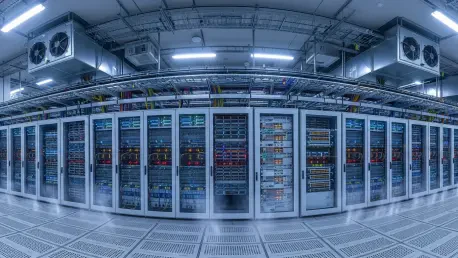

The silent transformation of the American landscape is no longer marked by the rust of old factories but by the hum of cooling fans and the steady glow of server racks stretching across the prairie. While the digital backbone of the United States once rested firmly on the coastlines, a massive migration is pulling the weight of the internet toward the geographic center of the country. This shift represents a fundamental change in how global infrastructure is built, driven by a desperate need for resources that coastal cities can no longer provide. As tech giants scramble to secure their place in the interior, a critical question emerges regarding whether the Heartland can actually sustain the massive physical demands of the cloud.
The Great Digital Migration to the American Interior
The digital backbone of the United States is quietly shifting its weight, moving from the high-rent districts of Silicon Valley and Northern Virginia toward the wide-open spaces of the Midwest and the Southwest. While coastal hubs once held a monopoly on connectivity, the insatiable hunger for power—driven by the explosion of generative AI—has turned states like Texas, Indiana, and Wisconsin into the new front lines of global infrastructure. This movement is not merely a trend but a structural reorganization of how data is processed and stored.
As tech giants venture further into the interior, they are discovering that the American “middle” offers more than just land. The regional push toward modernization has created a vacuum that is being filled by massive industrial campuses. This geographic pivot is no longer just about redundancy or disaster recovery; it is a calculated effort to build the next generation of computing power where the constraints of coastal urbanization do not apply.
Why the Center of Gravity Is Shifting Inland
Traditional coastal data center markets are hitting a wall, primarily due to a lack of affordable and accessible electricity. In established hubs, the grid is often stretched to its breaking point, leaving developers waiting years for a connection. This has triggered a massive inland migration toward states with more favorable power prospects and available land. Texas currently leads this charge with a staggering 22.5 gigawatts of capacity in development, while states like Missouri, Michigan, and New Mexico are seeing unprecedented interest from major players like Microsoft, Meta, and Google.
The search for raw wattage has become the primary driver of site selection. Inland states often possess underutilized energy infrastructure or easier paths to renewable energy integration, making them attractive to corporations with strict carbon-neutrality goals. Consequently, the geographic center of gravity for the internet is moving away from the ocean and toward the plains, where the availability of space and power permits a scale of construction that is simply impossible in dense coastal corridors.
The Widening Gap Between Ambition and Infrastructure
Despite the gold-rush mentality, a significant disconnect exists between planned capacity and actual construction. For the current cycle, only about one-third of the projected 16 gigawatts of nationwide capacity is currently under construction, with delays expected to persist well into 2027. This bottleneck is largely fueled by a severe shortage of small but vital components that are paralyzing project timelines. Electrical transformers, circuit breakers, and specialized batteries are currently in such short supply that missing a single shipment can stall a multi-billion dollar project for months.
Furthermore, the welcome mat for big tech is being pulled back in several regions as local resistance grows. From formal bans enacted by the Seminole Nation on tribal lands to grassroots revolts over water usage and noise pollution, community pushback is becoming a formidable barrier to expansion. Developers are finding that while the land is vast, the social license to operate is finite. This tension between corporate ambition and local reality has created a construction divide that is difficult to bridge.
Expert Perspectives: The Wild Puzzle of Development
Industry analysts from firms like Synergy Research Group and Sightline Climate describe the current landscape as a wild puzzle where logistics and social license are just as important as capital. Experts note that while the Heartland offers the space, it does not always offer a frictionless path to completion. The consensus among market watchers is that the narrative of the next decade will not be defined by who can announce the biggest projects, but by who can successfully navigate the logistical minefield of specialized component procurement.
Success in this environment required more than just a large checkbook; it demanded a sophisticated understanding of local ecosystems. Analysts pointed out that the industry’s rapid expansion often outpaced the ability of local utilities to adapt. This lack of synchronization between data center timelines and grid upgrades became a primary source of frustration. Winning over increasingly skeptical local populations proved to be just as critical as securing the underlying technology.
Strategies for Bridging the Construction Divide
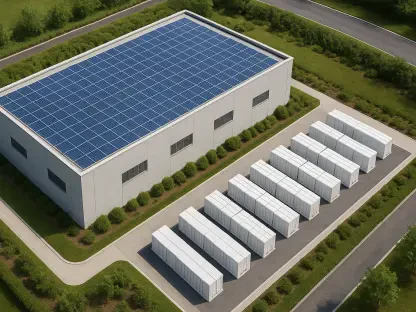
To successfully scale within the Heartland, data center providers moved beyond traditional development models and adopted more integrated strategies. These included direct energy partnerships where companies utilized behind-the-meter power solutions and co-located with energy producers to bypass grid congestion. By integrating directly with the source of generation, providers bypassed the traditional queues for grid access, ensuring that their facilities remained operational even as regional demand spiked.
Hyper-local community engagement also became a cornerstone of successful development. Firms shifted from a transactional relationship to a partnership model that addressed specific local concerns regarding resource management and long-term economic benefits. Proactive supply chain buffer stocking allowed developers to secure long-lead electrical components years in advance. These forward-thinking adjustments ensured that the physical infrastructure of the digital age remained resilient against the pressures of rapid growth and shifting social expectations.