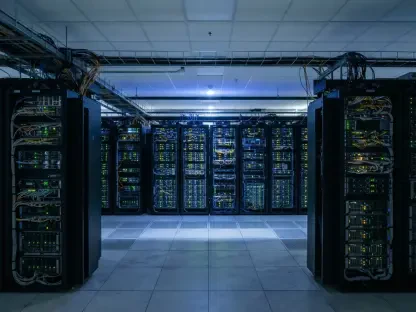

Approximately 80 percent of Pennsylvania voters currently oppose the construction of new data centers within their own local communities, according to recent polling data. This overwhelming sentiment has arrived at a pivotal moment for the Commonwealth, as the recent midterm elections fundamentally altered the political landscape in Harrisburg. By securing a Democratic trifecta—holding the governorship and narrow majorities in both the House and Senate—lawmakers have gained a clear path to address the rapid proliferation of massive computing warehouses. As the legislative session begins this January, the intersection of rapid technological expansion and its consequences for environmental health has become the primary focus of the new majority. These data centers, which act as the backbone of the digital economy, are now under scrutiny for their immense energy requirements and the resulting strain they place on the aging electrical grid. The shift in power suggests that the era of unchecked growth is finally ending.
Transforming Guidelines Into Enforceable Statutes
A major priority for the incoming legislature involves the formalization of the GRID standards, which were originally introduced by the administration to promote responsible development. Currently, these benchmarks serve only as voluntary guidelines, leaving actual enforcement to the discretion of the technology companies. The standards emphasize three core pillars: providing local communities with a substantial voice in the development process, establishing rigorous benchmarks for energy efficiency, and ensuring that developers bear the full financial burden of connecting their facilities to the electric grid. Advocacy groups like PennFuture argue that without the force of law, these measures are essentially symbolic gestures that fail to protect residents from the impacts of industrial-scale computing. Because no major developers have yet committed to the program voluntarily, the push to codify these protections has become a central theme for lawmakers seeking to rebalance the scales of power.
The transition from voluntary compliance to a comprehensive regulatory framework represents a significant shift in how Pennsylvania manages its natural and industrial resources. Legislative leaders are now drafting bills that would require any new data center application to meet specific sustainability thresholds before breaking ground. This approach moves beyond simple encouragement and creates a legal mandate for accountability that has been lacking during previous years of rapid expansion. By prioritizing the welfare of the Commonwealth’s citizens over the convenience of large technology corporations, the state aims to set a national precedent for technological oversight. These proposed laws are expected to include monitoring systems that track water usage for cooling and real-time energy consumption, providing the state with the data necessary to adjust regulations as the industry evolves. Strengthening these rules ensures that the digital economy does not come at the expense of local stability.
Rethinking Energy Strategy And Clean Infrastructure
The recent shift in political power provides a unique opportunity to advance legislative proposals that previously stalled due to partisan gridlock. Lawmakers are now revisiting bills that include strict clean energy mandates, requiring data centers to offset their massive consumption with new renewable energy projects. Rather than relying on traditional natural gas infrastructure, which typically requires long lead times for development, policy experts are urging the state to prioritize faster and cleaner alternatives. For the period from 2026 to 2028, the focus will likely shift toward incentivizing solar arrays, geothermal energy, and advanced conservation techniques that can be deployed more rapidly than fossil fuel pipelines. David Hess, a former environmental official, has noted that this strategy allows the state to bring cheaper power generation to the grid quickly, helping to mitigate the rising costs associated with the heavy electrical demand.
Beyond simply generating more power, the new legislative strategy emphasizes the critical role of grid modernization and battery storage technology. As data centers consume vast amounts of electricity around the clock, they create a constant base load that can strain existing transmission lines and lead to localized brownouts if not managed correctly. To address this, the Democratic majority is considering legislation that would provide tax credits for large-scale battery installations adjacent to computing hubs. These storage systems can absorb excess energy during low-demand periods and discharge it when the grid is most stressed, providing a buffer that protects residential neighborhoods from volatility. By integrating these advanced infrastructure components, the state hopes to create a more resilient energy network that can handle the specific demands of artificial intelligence and high-performance computing without compromising the reliability of the service provided to the general public.
Protecting Taxpayers From Rising Utility Costs
Public sentiment regarding the expansion of data centers is heavily influenced by concerns over utility affordability, which has become a primary economic issue for families. Recent data indicates that over half of the state’s population reports difficulty in paying monthly energy bills, making any increase in electricity rates a sensitive political matter. Since data centers are among the most energy-intensive facilities in the modern industrial era, their presence can drive up wholesale power prices, which are then passed on to everyday consumers. Environmental and policy experts argue that the current system essentially forces taxpayers to subsidize the operations of trillion-dollar tech firms through higher utility costs and grid maintenance fees. Legislators are responding by proposing a ratepayer protection act that would prevent utility companies from shifting the costs of data center infrastructure upgrades onto the residential and small business customer base in the Commonwealth.
The debate over the economic impact of these facilities also extends to the massive tax exemptions currently granted for computing equipment, which drain millions from the state treasury. Critics point out that while these centers occupy vast tracts of land and utilize significant public resources, they often create very few permanent jobs compared to traditional manufacturing or logistics hubs. This fiscal year, the exemption is projected to result in a loss of over $180 million in potential revenue that could otherwise support schools or infrastructure. Furthermore, municipal governments frequently find themselves in an unequal struggle when negotiating with multinational technology corporations that possess nearly limitless legal resources. To level the playing field, the state is considering the establishment of a dedicated fund to assist local officials in evaluating proposals and defending community interests. This funding would allow smaller towns to hire independent engineers and legal experts.
Establishing A Sustainable Technological Path
The Democratic trifecta in Harrisburg established a clear roadmap for the Commonwealth’s technological and environmental policy. By moving toward the repeal of outdated tax breaks and the implementation of mandatory energy standards, officials took the first steps in holding the industry accountable for its footprint. The consensus among policy experts suggested that Pennsylvania could no longer afford to provide open-ended incentives to an industry that offered limited employment while straining the public utility grid. Moving forward, the focus shifted to a balanced approach where technological growth was required to contribute directly to the state’s clean energy goals. Future considerations prioritized stricter zoning laws that prevented the encroachment of industrial computing into residential zones and the expansion of community-led oversight boards. These actions ensured that the region remained a viable hub for innovation while strictly protecting the economic well-being of its citizens.
Achieving a sustainable balance required the state to move beyond reactive measures and instead implement proactive planning for the evolving digital landscape. Lawmakers successfully initiated a long-term study to examine the potential for repurposing abandoned industrial sites for data center use, which minimized the impact on green spaces and residential areas. This initiative provided a solution that addressed both environmental conservation and the need for economic revitalization in former coal and steel regions. Additionally, the development of a state-level technical assistance program empowered local governments to make informed decisions about their own infrastructure needs. By fostering a collaborative environment between the public sector and technology developers, Pennsylvania demonstrated that it was possible to host advanced industries without sacrificing the quality of life for its residents. These integrated strategies served as a model for others facing similar challenges.