
Data-driven site selection in Cold Lake North ensures that the new tower will provide maximum coverage to areas where existing signal strength from older infrastructure is insufficient. This initiative, spearheaded by the regional provider MCSnet, marks a pivotal moment for a community that has long grappled with the limitations of rural and semi-urban connectivity. By deploying advanced fixed wireless technology, the project aims to effectively eliminate the digital divide that persists in many Alberta municipalities. Residents and business owners in the northern sector of the city are set to benefit from a significant leap in data transmission capabilities that promises to rival traditional fiber-optic performance. Rather than relying on outdated microwave links, the new infrastructure utilizes cutting-edge protocols designed for high-bandwidth demands. This strategic expansion is not just about faster downloads; it represents a comprehensive commitment to local economic resilience and digital equity.
Physical Infrastructure and Strategic Growth
Positioning the New Cold Lake Tower
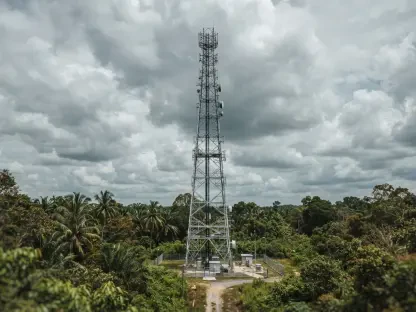
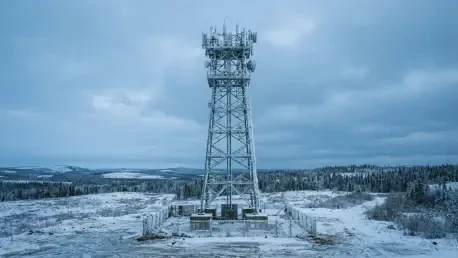
The centerpiece of this massive regional expansion is a new wireless tower strategically located near the Cold Lake Public Library’s North Branch, specifically in the vicinity of 8 Avenue and 13 Street. This particular site was chosen through rigorous analysis of signal propagation and user density within the urban corridor. Engineers determined that this location provides the optimal height and line-of-sight potential to serve residential clusters that were previously underserved. Construction is scheduled to commence as soon as the ground freezes, which is a technical necessity in the northern Alberta climate. Frozen soil provides the structural stability required for the heavy machinery used in tower anchoring and ensures that the foundation meets stringent safety standards for long-term durability. This seasonal timing reflects the company’s experience in managing large-scale deployments within challenging environments while minimizing disruption to the local landscape.
Integrating the Regional Wireless Backbone
Once the physical installation is operational, the new tower will seamlessly integrate into a broader regional network that already features more than 500 towers across northeastern and central Alberta. This interconnected system allows for redundant pathways and greater reliability, ensuring that local traffic can be routed efficiently even during peak usage periods. By plugging into this established backbone, the Cold Lake North installation gains immediate access to substantial upstream capacity, which is critical for maintaining high speeds. The investment highlights a transition away from the patchwork connectivity of the past toward a unified high-speed ecosystem. As a family-owned operation based in St. Paul, the provider emphasizes a localized understanding of northern infrastructure needs. This expansion serves as a blueprint for how regional providers can outpace national giants by focusing on specific community requirements to deliver superior results to their growing base.
Technological Innovation and Future Connectivity
Harnessing GigAir for Fiber-Like Performance
A significant technological leap for the region is the implementation of GigAir service, which utilizes specialized hardware developed by Tarana Wireless. This system represents a fundamental shift from traditional fixed wireless setups that often require a perfectly clear line of sight to maintain a stable connection. The next-generation equipment is specifically engineered to overcome common environmental hurdles, such as dense foliage and buildings that typically degrade wireless signals. By using advanced beamforming and interference cancellation techniques, the hardware ensures that data packets reach their destination with minimal latency. This capability is vital for urbanized areas of Cold Lake where architectural density often presents challenges for standard radio equipment. The result is a robust wireless link that performs consistently regardless of the weather or local terrain, providing a dependable foundation for the city’s digital future while reducing the need for multiple antennas.
Navigating Regulatory Shifts and Spectrum Migration
The recent surge in local investment is driven in large part by federal mandates issued by Innovation, Science and Economic Development Canada regarding the 3.65-gigahertz wireless spectrum. With a strict deadline set for March 2027 to vacate these frequencies for 5G cellular networks, service providers have been forced to rethink their infrastructure. MCSnet recognized that a significant portion of its current customer base relied on these older frequencies, presenting a logistical hurdle. Instead of performing simple equipment swaps, the company viewed the regulatory shift as a catalyst for a total network overhaul. By migrating subscribers to more efficient frequencies and modern hardware, the provider is ensuring that its network remains compliant with federal laws while boosting performance. This proactive management prevents potential service disruptions as the deadline approaches, turning a regulatory challenge into a strategic upgrade that benefits the region.
Bridging the Digital Divide for Economic Resilience
Ultimately, the expansion into Cold Lake North successfully established a digital backbone capable of supporting the community’s future growth and technological needs. Local officials observed that the deployment of advanced wireless towers provided a flexible solution to connectivity gaps that previously hindered economic development. Looking forward, the next logical step for the community involves leveraging this high-capacity network to attract remote workers and tech-focused startups that require gigabit speeds. Municipal leaders have begun exploring ways to integrate these wireless capabilities into smart city initiatives and public safety systems, further maximizing the value of the infrastructure. The project demonstrated that regional partnerships could effectively bridge the performance gap between urban centers and smaller municipalities without excessive public funding. By prioritizing rapid innovation, the city secured a competitive advantage that ensures long-term relevance.