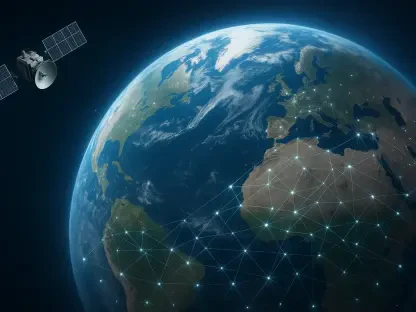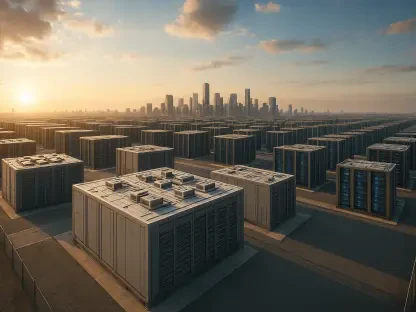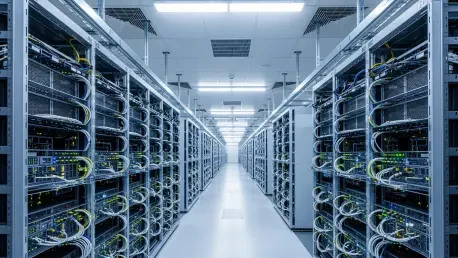

The global surge in generative artificial intelligence has pushed traditional land-based data centers to their breaking point, creating an urgent need for infrastructure that transcends geographical and environmental limitations. As urban real estate prices skyrocket and power grids struggle to accommodate the massive energy requirements of high-performance computing, the industry is forced to look toward unconventional horizons. To solve this bottleneck, Japanese shipping giant Mitsui OSK Lines and technology leader Hitachi have formalized a partnership to develop mobile, floating data centers that leverage the vastness of the ocean. This initiative aims to repurpose decommissioned or second-hand vessels into high-tech hubs that can be stationed near major coastal population centers where data consumption is at its peak. By bypassing the bureaucratic hurdles of land acquisition and the physical constraints of terrestrial power availability, this collaboration represents a paradigm shift in how global networks are designed and deployed for the coming decade.
Strategic Synergy: Maritime Engineering and IT Integration
This strategic collaboration relies on the distinct yet complementary strengths of both organizations to create a sustainable and scalable alternative to traditional brick-and-mortar facilities. Mitsui OSK Lines is responsible for the maritime logistics side of the operation, which includes the complex engineering required for vessel conversion, mooring strategies, and ongoing maintenance at sea. These tasks are critical for ensuring that the delicate IT equipment remains stable and operational despite the movement of the ocean. Furthermore, MOL is tasked with managing the regulatory landscape, negotiating with port authorities to secure docking rights and ensuring that these floating platforms comply with international maritime safety standards. Their expertise in managing large-scale shipping fleets provides the necessary foundation for mobile infrastructure that can be relocated based on seasonal demand or changing regional requirements. This flexibility is something that terrestrial data centers simply cannot offer, providing a dynamic edge in an increasingly volatile digital market.
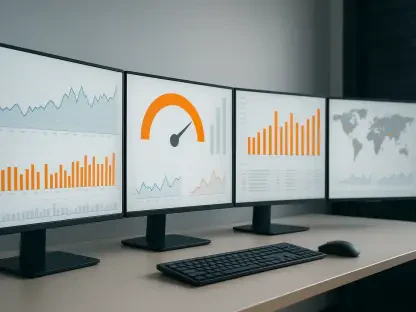
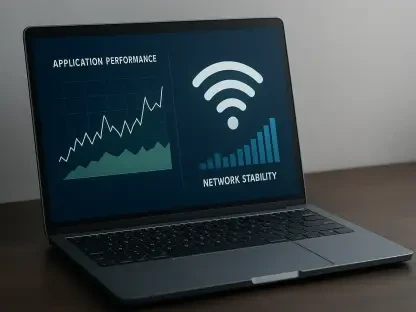
On the technical front, Hitachi is overseeing the internal architecture, focusing on the high-density server configurations, cooling management systems, and cybersecurity protocols necessary to protect sensitive data. Drawing from its extensive history in building terrestrial high-performance computing environments, the company is adapting its existing hardware to withstand the unique challenges of a maritime environment, such as salt air and humidity. This technical management extends to the implementation of automated operational procedures that minimize the need for on-site personnel, utilizing advanced remote monitoring tools to ensure 99.9% uptime. Additionally, Hitachi is integrating sophisticated cybersecurity layers to prevent unauthorized physical or digital access to the vessels, treating each ship as a fortified edge-computing node. By synthesizing maritime expertise with cutting-edge information technology, the partnership is positioning itself to capture a significant share of the niche market for resilient and mobile digital infrastructure. This approach ensures that the computational needs of modern AI are met with a robust, well-defended, and highly efficient engineering solution.
Environmental Sustainability: Cooling Efficiency and Energy Independence
One of the most compelling advantages of this aquatic approach is the superior efficiency provided by ocean-based cooling systems, which utilize seawater to dissipate the immense heat generated by AI processors. Traditional land-based data centers often consume millions of gallons of freshwater every day, a practice that is becoming increasingly unsustainable as global water scarcity intensifies. In contrast, these floating units can draw directly from the surrounding ocean, using heat exchangers to cool the equipment without the need for energy-intensive air conditioning units or chemical refrigerants. This method not only drastically reduces the overall carbon footprint of the facility but also lowers operational costs by decreasing the total power usage effectiveness ratio. Furthermore, the integration of offshore renewable energy sources, such as wind and solar arrays located near the mooring sites, allows these data centers to operate with a higher degree of energy independence. This move toward circular engineering reflects a broader industry trend where environmental stewardship is becoming a prerequisite for technological advancement, ensuring that the growth of artificial intelligence does not come at the expense of ecological health.
The initial feasibility studies and demand verification processes conducted by the partners confirmed that the commercial viability of these platforms hinged on their ability to serve coastal urban centers where land was most scarce. Leaders within the project determined that the most effective path forward involved a phased rollout, starting with pilot vessels in Asian waters before expanding to European and North American coastlines. For industry stakeholders, the move suggested that the future of digital infrastructure would rely heavily on cross-sector partnerships that bridge the gap between heavy industry and software development. Companies looking to remain competitive in the AI sector should consider the benefits of decentralized, mobile computing solutions to mitigate the risks associated with grid instability and localized environmental disasters. The success of this 2027 launch was predicated on a rigorous commitment to testing durability and environmental impact in diverse maritime conditions. Looking ahead, the transition toward floating assets provided a clear roadmap for urban planners and tech executives to collaborate on resilient infrastructure projects that decoupled digital growth from terrestrial land use constraints, ultimately offering a more adaptable and sustainable framework for the global data economy.