
Data centers are projected to double their share of total U.S. electricity consumption to nearly nine percent by 2028, creating an urgent need for sustainable power solutions. This massive shift in energy usage has forced the property and casualty insurance sector to reevaluate its traditional role as a simple financial safety net. Rather than just waiting for a disaster to strike and paying out claims, the industry has begun to step into a more influential role as a primary architect of resilient infrastructure. Reinsurers and primary insurers are increasingly leveraging their underwriting power to influence how these critical assets are designed, constructed, and maintained. By setting higher standards for technical performance and safety, the sector is transforming into a proactive driver of sustainable development. This change is not merely about risk mitigation but about ensuring that the digital backbone of the global economy can withstand the pressures of a rapidly changing climate.
Managing Digital Expansion: The Impact of Artificial Intelligence
The sheer scale of data center expansion in the United States has reached an unprecedented level, primarily driven by the enormous computational requirements of modern artificial intelligence. As of early 2026, there are more than 2,100 active facilities across the nation, with hundreds of additional projects currently moving through various stages of construction and permitting. This infrastructure boom, while essential for maintaining a competitive digital economy, brings with it significant socioeconomic challenges and environmental costs. High electricity demand has sparked intense local opposition in several states, leading to project cancellations and the implementation of government-imposed moratoriums on new builds. In this environment, the question for developers is no longer whether to build, but how to build in a manner that aligns with grid capabilities. The construction methodology has become the most critical variable, forcing a total rethink of how these facilities interact with the public.
Managing Digital Expansion: Enforcing Standards for Physical Resilience
One of the most effective ways the reinsurance industry currently influences this development is through the enforcement of physical resilience standards during the underwriting process. Data indicates that over half of planned facilities in the U.S. are situated in regions characterized by a high risk of natural disasters and destructive weather patterns. Because insurance capacity for such high-value assets is tightening, reinsurers are using this scarcity to demand significantly higher construction standards from developers. To secure the necessary coverage in a restricted market, companies must adhere to rigorous fire suppression protocols and maintain specific standoff distances between structures to prevent hazard spread. By rewarding hazard-aware siting and robust structural design with more favorable pricing and terms, the insurance sector ensures that the next generation of centers is built to survive the specific environmental threats of their local geography while protecting investor capital.
Driving Sustainable Solutions: Navigating the Clean Energy Transition
The ongoing energy narrative within the technology sector is currently defined by a sharp tension between immediate operational needs and long-term sustainability goals. Developers frequently prioritize speed to power and cost-effectiveness, which has historically led to a heavy reliance on natural gas to fuel over forty percent of data center consumption. While natural gas provides the dependable and dispatchable power required for constant uptime, it remains subject to significant price volatility and environmental criticism. Reinsurance plays a pivotal role in making cleaner alternatives more bankable by providing the financial structures necessary to mitigate the risks of transitioning. The industry is seeing a major shift toward using Virtual Power Purchase Agreements, where technology firms lock in stable rates from renewable energy projects. However, these green initiatives carry unique risks that require specialized insurance products to remain viable for large-scale corporate implementation.
Driving Sustainable Solutions: Guaranteeing Performance for Clean Power
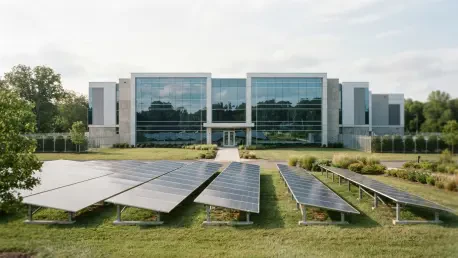
To facilitate this energy transition, the insurance sector has introduced a suite of performance guarantees and resource-shortfall coverage options that protect against the inherent variability of weather-dependent energy. These tools give lenders the confidence they need to finance solar and wind projects by ensuring that output expectations will be met regardless of environmental fluctuations. Furthermore, by providing surety bonds for emerging technologies such as advanced geothermal energy and next-generation nuclear fission, reinsurers are helping to bring these clean-firm solutions into the commercial mainstream. By adjusting pricing to favor projects that incorporate on-site storage or flexible load capabilities, underwriters ensure that the choice to support the grid is also the most economically sensible one. This proactive approach turns what used to be a financial liability into a strategic advantage for developers who are willing to invest in the future of carbon-neutral power generation.
Ensuring Project Viability: Enhancing Bankability through Risk Transfer
The ultimate viability of a large-scale data center project is increasingly tied to its ability to secure a social license to operate within its host community. In the first half of 2026, numerous proposed projects were canceled or delayed due to intense community pushback regarding noise, water usage, and land consumption. This friction has led to the emergence of distributed computing models where power is integrated into existing facilities rather than centralized in massive new campuses. While this reduces the physical footprint, it complicates the operational and insurance landscape by spreading risk across multiple smaller locations. Reinsurance provides the financial depth required to support these complex, distributed projects by allowing primary insurers to transfer high-exposure risks to a global pool of capital. Innovative coverage options, such as those protecting the resale value of specialized AI hardware, further enhance project liquidity and support the circular economy through equipment reuse.
Ensuring Project Viability: Fostering Community Support and Social License
The financial stability provided by robust reinsurance coverage also allows developers to free up capital that can be reinvested directly into the local communities hosting their facilities. This liquidity is becoming essential for securing local support, as companies now use these funds for the renovation of public spaces, cash incentives for local school districts, and general infrastructure improvements. Such investments help to mitigate the perceived negative impacts of data center growth and reduce the likelihood of local moratoriums that can derail multibillion-dollar projects. By aligning commercial interests with community needs through sophisticated risk management, the industry ensures that the growth of the digital economy remains sustainable and politically feasible. This collaborative model demonstrates how insurance can move beyond simple loss compensation to become a mechanism for positive social change, fostering a more resilient relationship between high-tech industries and the people they serve.
Strategic Industry Evolution: Integrating Insurance into the Strategic Development Lifecycle
The evolution of the reinsurance sector fundamentally changed how the digital world approached infrastructure development during this period of rapid expansion. Rather than acting as a simple bystander, the industry moved to integrate risk management directly into the initial design phases of critical assets. This shift allowed developers to anticipate environmental and regulatory hurdles before they became insurmountable obstacles. By prioritizing resilience and sustainability, the insurance market effectively weeded out subpar projects and elevated the standard for the entire industry. Future considerations for the sector will likely involve even deeper integration with grid operators and local governments to ensure that new builds do not compromise public services. Stakeholders who embraced these rigorous standards early on found themselves better positioned to navigate the complexities of a resource-constrained environment. Moving forward, the blueprint for successful infrastructure will depend on this continued collaboration between finance, technology, and risk experts.