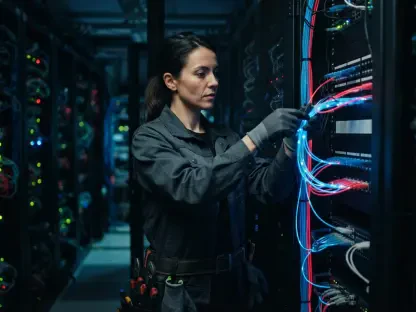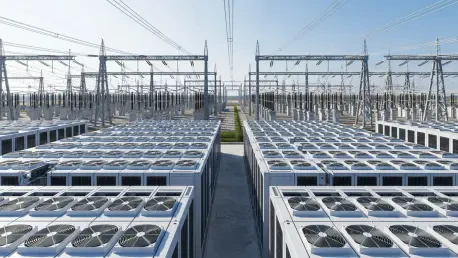

The global trajectory of digital intelligence is increasingly determined by the raw electrical power required to fuel generative models that are growing exponentially in complexity every single month. As the world moves deeper into this era of accelerated computing, the traditional, fragmented data center model is being rapidly superseded by a new industrial paradigm. This shift is embodied in the strategic partnership between Nvidia and IREN, a collaboration designed to deploy a staggering 5-gigawatt pipeline of infrastructure. By merging Nvidia’s cutting-edge hardware with the massive power capacity controlled by IREN, formerly known as Iris Energy, the two entities are rewriting the rules of how the physical foundation of the global AI economy is constructed and managed.
The Dawn of the Gigawatt-Scale AI Factory
The partnership represents a transformative moment in the evolution of digital infrastructure, moving away from small-scale server rooms toward integrated “AI factories.” These massive facilities are engineered specifically to handle the intense computational workloads required for training large language models and running real-time inference at scale. This collaboration centers on a massive 5-gigawatt infrastructure pipeline, a figure that highlights the sheer magnitude of energy required to sustain modern technological progress. By prioritizing massive, utility-scale deployments, the companies are setting a new benchmark for the industry, ensuring that the physical limitations of the grid do not become a permanent bottleneck for digital innovation.
This move toward gigawatt-scale planning reflects a broader recognition that AI is no longer just a software trend but a heavy-industry concern. Unlike earlier generations of data centers that focused on storage or web hosting, these new factories are designed for high-density compute power. This alignment between Nvidia and IREN ensures that the necessary power and physical space are available before the chips even leave the factory. Consequently, the partnership creates a more predictable and scalable path for enterprises that need to deploy thousands of GPUs simultaneously without waiting years for power grid upgrades.
From Digital Mining to High-Performance Computing
To grasp the full significance of this alliance, one must look at the evolution of IREN. Originally established as a digital asset mining firm, the company built its foundation on securing large-scale land parcels and massive power interconnects. In the current market, these assets have become the most valuable commodities in the technology sector. While traditional data center providers often struggle with the multi-year lead times required for power grid access, IREN’s history in energy-intensive Bitcoin mining provided a significant head start. This transition from mining to High-Performance Computing and AI services represents a calculated pivot toward a vertically integrated model.
The company is no longer just a participant in the cryptocurrency market but a foundational player in the broader infrastructure space. By repurposing its existing land and power assets for AI, IREN has bypassed many of the logistical hurdles that stymie its competitors. This evolution demonstrates how specialized infrastructure, once dedicated to a single niche, can be scaled to support the most demanding applications in modern computing. The firm now controls every critical variable of the infrastructure stack, from the initial power connection to the final cloud software layer, positioning itself as a vital link in the Nvidia ecosystem.
Strategic Milestones and Infrastructure Innovations
The partnership is defined by several ambitious technical and financial milestones that distinguish it from standard vendor agreements. These initiatives focus on industrializing AI capacity through standardized architectures and massive capital commitments, ensuring that the infrastructure is as efficient as it is large.
Implementation of the DSX-Aligned AI Factory Architecture
The collaboration utilizes Nvidia’s “Data Center Scalable eXcellence” (DSX) framework to harmonize the full stack of AI infrastructure. This reference design acts as a blueprint for high-density GPU clusters, low-latency networking, and the specialized cooling systems required to manage immense thermal loads. By adhering to this framework, IREN ensures that its facilities are optimized specifically for Nvidia hardware, reducing the friction typically associated with large-scale technology deployments. This level of technical alignment allows for a more seamless integration of hardware and software, providing a turnkey solution for the most demanding enterprise clients.
The Sweetwater Campus: A Flagship Deployment
Located in Texas, the Sweetwater campus serves as the epicenter of this partnership and the physical manifestation of the 5 GW pipeline. With a planned capacity of 2 GW, the site is designed to be the premier location for Nvidia’s DSX architecture. Texas’s robust energy market and favorable regulatory environment make it an ideal location for such a massive undertaking. The campus proves that utility-scale infrastructure can support both the training of foundational models and the real-time inference required by modern applications, serving as a model for future developments across the globe.
Multi-Billion Dollar Strategic Investment Pathway
Nvidia has secured a five-year right, beginning in 2026, to purchase up to 30 million shares of IREN stock. This potential $2.1 billion equity arrangement signals that Nvidia is moving beyond its traditional role as a hardware provider. By becoming a long-term strategic stakeholder in the operators of its technology, Nvidia is securing its influence over the physical layer of the AI economy. This financial commitment provides IREN with the capital needed to maintain its aggressive expansion while cementing the bond between the two companies for the foreseeable future.
Vertical Integration through Strategic Acquisitions
IREN has bolstered its capabilities by acquiring Mirantis for its Kubernetes expertise and the Spain-based Nostrum Group to expand its European footprint. These moves allow the company to offer a seamless “enterprise-ready” cloud experience layered over its massive physical hardware footprint. By internalizing these software and geographic capabilities, IREN has transformed itself into a comprehensive service provider. This vertical integration ensures that clients can access high-performance computing resources without having to manage the complexities of the underlying infrastructure themselves.
Defining the New Standard for AI Infrastructure
What sets this partnership apart is the move toward total vertical integration, creating a “neo-cloud” model. Unlike traditional hyperscalers that may use custom silicon, IREN is positioning itself as a specialized operator built entirely around the Nvidia stack. This alignment allows for a level of optimization between software, networking, and power that is difficult to achieve in more fragmented environments. By treating AI compute as a regional utility concern rather than a standard IT service, the two companies are creating a blueprint for the future of industrial-scale intelligence.
Moreover, this specialized approach addresses the specific needs of modern AI workloads, which require significantly higher power density and more advanced cooling than traditional web servers. As the demand for generative AI continues to surge, the ability to offer a dedicated, high-performance environment becomes a major competitive advantage. This partnership demonstrates that the most successful infrastructure providers of the future will be those who can provide a holistic, integrated environment tailored to the specific requirements of accelerated computing.
Current Operations and Market Position
Today, IREN and Nvidia are rapidly converting their 5 GW pipeline from a vision into a tangible reality across multiple sites. The first 1.4 GW phase of the Sweetwater campus has already been energized, demonstrating the company’s ability to bring massive power online in a market where grid access remains the primary bottleneck. Despite the high capital expenditures associated with this transition, the partnership has solidified IREN’s standing as a leader in the infrastructure space. The company is currently focused on scaling its GPU clusters to meet the immediate needs of its growing customer base.
This operational success has placed IREN in a unique market position, bridging the gap between energy production and high-technology services. By demonstrating that they can execute on such a large scale, the company has attracted significant interest from both investors and enterprise clients. The focus now shifts to maintaining high utilization rates and continuing to integrate recent software acquisitions to provide a truly turnkey AI solution. As more phases of the pipeline come online, the impact of this partnership will only continue to grow within the broader technology sector.
Reflection and Broader Impacts
The collaboration between these two entities serves as a bellwether for the broader technology and energy sectors, highlighting both the immense opportunities and the logistical hurdles of the AI boom.
Reflection: Success through Synergy
The primary strength of this partnership lay in its inherent synergy: Nvidia provided the computational “brains,” while IREN provided the physical “body” through its vast power assets. However, the capital-intensive nature of this model presented significant financial hurdles during the initial pivot away from digital mining. The success of the venture depended heavily on maintaining high utilization rates and navigating the regulatory complexities of gigawatt-scale energy consumption. It was a bold gamble that ultimately demonstrated the necessity of controlling the physical layer of the computing stack.
Broader Impact: Power as the Ultimate Currency
This partnership signaled the definitive rise of “utility-scale” AI, where energy became as important as silicon. As AI demand became a permanent fixture of the global economy, the data center industry was forced to evolve or risk obsolescence. The emergence of “neo-cloud” providers challenged traditional cloud giants by offering specialized, high-density environments that were previously unavailable. Furthermore, this move emphasized that power was the ultimate currency of the AI era, forcing a total rethinking of energy policy and grid management on a global scale.
The Future of Industrialized Intelligence
The Nvidia and IREN partnership represented a fundamental shift in how the world constructed the infrastructure for digital intelligence. By aligning on a 5 GW pipeline and the DSX architecture, these companies moved beyond opportunistic growth and entered a future defined by deep, vertical integration. As the Sweetwater campus and other sites reached full capacity, they provided the necessary compute power to sustain a decade of rapid innovation. The project established a new standard for the global digital economy, proving that the “AI factory” was the only viable path forward. The collaboration ultimately ensured that the most advanced technology remained grounded in robust, scalable power. In the years following this agreement, the industry moved toward a model where every major player sought to replicate this level of energy and hardware alignment. This initiative effectively bridged the gap between the virtual world of algorithms and the physical reality of the electrical grid. It showed that the future of intelligence depended as much on the strength of the foundation as it did on the brilliance of the code. All future infrastructure projects were measured against the scale and efficiency achieved by this landmark agreement.