
The rapid expansion of artificial intelligence has placed an unprecedented strain on the traditional electrical grid, forcing technology companies to seek creative energy solutions outside of massive, centralized facilities. Sunrun, the leading provider of residential solar and battery storage in the United States, has officially pivoted to bridge this gap by transforming private homes into high-performance edge computing nodes. This move represents a fundamental shift in how digital infrastructure is conceptualized, as the company leverages its vast network of distributed energy resources to power the next generation of AI processing. By bypassing the multi-year delays associated with utility-scale grid connections, this initiative establishes a decentralized network that addresses both the computing needs of Silicon Valley and the energy resilience of local neighborhoods. As high-performance GPUs migrate from massive warehouses to suburban garages, the boundary between residential living and industrial-grade computing continues to blur.
Hardware Integration and the Energy Bottleneck
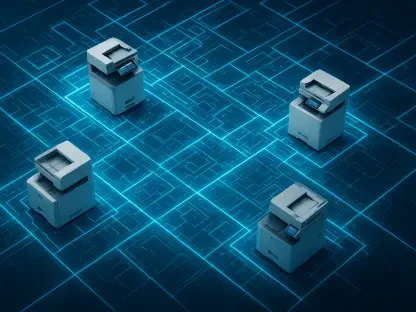
The hardware deployment at the center of this initiative involves installing specialized, compact computing nodes that are roughly equivalent in size to a standard residential mini-fridge within homes already equipped with solar and battery storage. These units are not merely storage devices but are integrated with advanced Nvidia graphics processing units, which serve as the industry gold standard for handling complex artificial intelligence calculations. Because these high-performance chips consume significant amounts of electricity—often exceeding the draw of multiple large household appliances—they require a robust and reliable onsite power source that can operate independently of the local utility when necessary. By utilizing the existing solar panels and lithium-ion batteries already installed in Sunrun’s customer base, the company provides a turnkey infrastructure solution that allows these powerful GPUs to run continuously without compromising the home’s primary energy needs.
This decentralized approach provides a critical solution to the energy bottleneck currently slowing the growth of the technology sector, where the demand for AI processing has far outpaced the ability of utilities to build new power plants. Large-scale, centralized data centers are currently facing massive delays, often waiting several years for grid interconnection approvals and the delivery of high-voltage electrical equipment. By contrast, Sunrun’s model leverages the localized energy capacity that is added to the grid every single year through thousands of residential installations, effectively bypassing the traditional development queue. This method allows for a rapid expansion of computing power because it utilizes small-scale, modular energy sources that are already permitted and operational. Instead of waiting for a massive power plant to come online in 2028, tech firms can tap into a pre-existing web of residential batteries that provide immediate, dispatchable electricity for high-demand AI tasks.
Shifting Focus to Localized AI Inference
The computational focus of these residential nodes is specifically targeted at the inference stage of artificial intelligence, which is the process where a pre-trained model analyzes new data to generate an immediate output or response. While the initial training of massive AI models requires centralized supercomputers, the inference phase benefits significantly from lower latency and closer physical proximity to the end-users who are interacting with the software. By placing the processing hardware directly in the neighborhoods where the data is being consumed, tech companies can deliver faster response times for applications like real-life language translation, smart home automation, and localized digital assistants. This edge computing strategy reduces the distance data must travel, which not only improves the user experience but also decreases the overall bandwidth burden on the global internet backbone. As digital interactions become more instantaneous, the value of localized hardware continues to grow.
This shift toward localized processing reflects a broader global trend where both energy production and data management are moving away from fragile, centralized systems toward more resilient, distributed networks. Infrastructure delays have plagued nearly half of the world’s planned data center projects, creating a vacuum that decentralized providers are now rushing to fill with innovative hardware solutions. Sunrun is joined by several other smart infrastructure manufacturers in this endeavor, signaling a competitive race to turn underutilized household hardware into active, revenue-generating assets for both companies and consumers. This movement suggests that the traditional model of a passive home, which only consumes resources, is being replaced by a vision of the home as a micro-utility and a micro-data center. As the demand for digital services continues its exponential climb, the ability to generate both power and processing cycles at the point of consumption becomes a vital economic advantage.
Financial Incentives and Homeowner Compensation
To ensure that this model is sustainable and attractive to residents, Sunrun has developed a sophisticated financial framework that carefully balances the high technical requirements of AI hardware with consumer economic incentives. Under this specialized energy management program, the primary objective is to ensure that the addition of a high-power computing node does not result in a financial or logistical burden for the individual homeowner. The system is designed to intelligently utilize the excess energy generated by the home’s rooftop solar panels, which is often sent back to the grid for minimal credit, to instead power the local GPU node. By prioritizing onsite consumption of solar energy and utilizing the stored capacity in home batteries, the system offsets the high electricity demand of the Nvidia chips. This ensures that the house remains energy-neutral or better, maintaining a delicate balance between local consumption and global computational needs without requiring residents to change their daily habits.
Homeowners participating in this pilot program are further incentivized through a multi-tiered compensation model that includes hosting fees for providing the physical space and necessary electrical infrastructure for the hardware. Sunrun intends to utilize the revenue generated from its enterprise AI customers to directly cover the cost of the electricity consumed by the GPUs, turning the arrangement into a net financial benefit for the resident. While the current pilot is starting on a small scale to evaluate hardware performance and thermal management, it serves as a crucial test case for how residential participation can be scaled through transparent and reliable economic rewards. As the program matures, participants may see their homes transform from simple shelters into active participants in the global tech economy, receiving monthly credits or direct payments for their contribution to the digital grid. This alignment of interests is essential for the long-term viability of these decentralized edge computing projects.
Strategic Objectives for a Decentralized Future
Sunrun is addressing the current energy-compute crisis from two distinct strategic angles to create a unified ecosystem that supports both the national grid and the decentralized future of technology. Through strategic partnerships with major technology players, the company aims to provide massive gigawatt capacity that can help large-scale data centers manage extreme grid stress during periods of peak demand. By coordinating the discharge of thousands of home batteries simultaneously, Sunrun can provide a virtual power plant effect that stabilizes the grid and prevents the brownouts that often occur when data centers and residential areas compete for limited power. This high-level coordination ensures that large facilities can maintain their critical workloads without causing instability in the local power supply or driving up costs for other utility customers. This dual-purpose strategy treats the residential battery as both a backup device and a grid stabilizer for the entire digital infrastructure.
The successful implementation of this pilot demonstrated that the convergence of residential energy and high-speed computing was not only feasible but essential for the continued evolution of digital services. Industry stakeholders recognized that the transition toward decentralized inference nodes effectively bypassed the most significant infrastructure bottlenecks, providing a clear blueprint for future urban development. Engineers and urban planners concluded that the integration of localized power with digital processing was the most logical step toward creating smart cities that remained resilient in the face of fluctuating energy markets. This initiative established a path forward for tech companies seeking to expand their AI offerings without placing an unsustainable burden on the public utility system. Ultimately, the pivot to decentralized data centers redefined the home as a productive asset, ensuring that the growth of digital intelligence remained decoupled from the historical limitations of the centralized electrical grid.