
Frustrated residents in Ocala, Florida, are reporting their fifth major internet blackout in two weeks, signaling a potential crisis in regional network stability. This recurring issue has sparked widespread alarm among subscribers who have come to rely on Cox Communications for their daily professional and personal needs. The disruption is not merely a local anomaly but appears to be part of a broader systemic failure affecting various pockets across the United States. In an era where digital connectivity is paramount for everything from remote work to automated home security, these interruptions create significant economic and social friction. Monitoring services have noted a sharp increase in reports, suggesting that the provider’s current infrastructure might be struggling to keep pace with the modern demands of 2026. As the situation continues to unfold, customers are seeking clarity on the root causes and demanding more transparent communication from the company regarding the steps being taken to restore and stabilize the network for the long term.
Analyzing the Scope of the Connectivity Crisis
Categorization: Reported Service Failures
A detailed breakdown of service complaints reveals that WiFi connectivity constitutes the largest portion of the current crisis, accounting for approximately 56% of total reports. This specific type of failure points toward a significant malfunction in the wireless broadcasting or authentication protocols within the integrated gateway devices provided to the consumer base. When WiFi signals fail while the underlying connection remains active, it often indicates an internal software conflict or a hardware overheating issue that prevents the router from maintaining a stable local area network. For many households, this translates into a scenario where devices show a strong connection to the router but lack any actual data throughput to the wider web. Such a high volume of wireless-specific issues suggests that a recent firmware update or a broader configuration error may be at play, necessitating a comprehensive review of the equipment that millions of Americans use to access the internet.
Geographical Impact: Frequent Hotspots
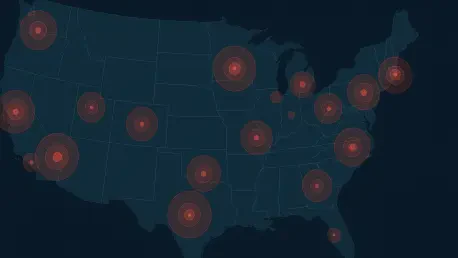
The geographical distribution of these outages has highlighted specific regions where the network appears particularly fragile, with Ocala, Florida, and the 85022 zip code in Arizona emerging as primary hotspots. In these areas, the frequency of the disruptions has reached a point where the reliability of the service is being questioned by the local business community and individual residents alike. The situation in Ocala is especially concerning, as the recurring nature of the blackouts suggests that the underlying infrastructure may be nearing its end-of-life or is being subjected to environmental stressors that the current safeguards cannot handle. These localized clusters of failure often serve as early warning signs for broader network issues, indicating that the maintenance cycles in these regions might have been delayed or that the surge in local population has finally exceeded the capacity of the existing hardware installed during previous expansion phases.
Assessing User Experience and Technical Origins
Patterns of Network Instability and Performance
The human element of these technical failures is characterized by a growing sense of frustration and disillusionment among the subscriber base. Users have described an environment where the internet connection is “flickering,” dropping out every few minutes before briefly returning, which makes sustained activities like video conferencing, distance learning, or professional gaming completely unfeasible. This intermittent behavior is often more disruptive than a total blackout because it creates a false sense of recovery that is repeatedly shattered, leading to lost work and interrupted communication. For professionals working from home, these outages represent a direct threat to their productivity and job security. The inconsistency of the connection has forced many to seek alternative locations for work, such as local libraries or cafes, which are also often overwhelmed by the sudden influx of people seeking reliable connectivity during these periods of widespread provider failure.
Technical Analysis: Potential Causes Behind the Outage
While a formal explanation for the widespread outages has not been released, technical analysts have pointed toward several potential culprits within the network’s architecture. One leading theory involves a widespread firmware glitch affecting the integrated gateway units that Cox provides to its customers. Since modern gateways manage both the broadband handshake and the internal WiFi distribution, a flaw in the software can lead to the specific symptoms observed in this crisis, such as the high percentage of wireless failures. Firmware updates are essential for maintaining security and performance, but they also carry the risk of introducing bugs that can disable hardware on a massive scale if not properly vetted across all device configurations. If a recent update was pushed out to a significant portion of the network without adequate testing, it would explain why the disruptions are occurring simultaneously across disparate geographic locations throughout the United States.
Practical Solutions for Affected Customers
Recommended Troubleshooting and Mitigation Steps
To mitigate the impact of these disruptions, customers are encouraged to follow a standardized set of troubleshooting procedures to ensure the issue is not localized to their own hardware. The first and most effective step is a full power cycle of the modem and router, which involves disconnecting the power source for a minimum of 30 seconds. This process clears the device’s internal cache and forces it to re-establish a fresh handshake with the provider’s central headend, often resolving minor software hangs or synchronization errors. Additionally, users should perform cross-device testing by checking the internet connection on multiple platforms, such as a smartphone, a laptop, and a smart television. If the failure is consistent across all devices, it confirms that the problem lies with the incoming signal or the primary gateway rather than a specific piece of consumer electronics, allowing the user to provide more accurate information when reporting the issue to technical support.
Implementing Resilient Network Strategies for Future Reliability
The recent surge in internet disruptions across the nation highlighted the critical vulnerabilities within modern telecommunications systems and the profound impact on a society that became deeply dependent on constant connectivity. During the height of the crisis, thousands of households faced significant challenges in maintaining their daily routines, which underscored the need for more robust and redundant network architectures. Many consumers responded by seeking out secondary internet sources, such as mobile hotspots or satellite backups, to ensure they remained online during the most volatile periods of the outage. This event served as a wake-up call for both the provider and its customers, demonstrating that the existing infrastructure required substantial upgrades to meet the rigorous demands of the current digital landscape. The patterns of failure observed in areas like Ocala and Arizona provided essential data points for technicians who worked to identify and resolve the underlying causes of the widespread instability.