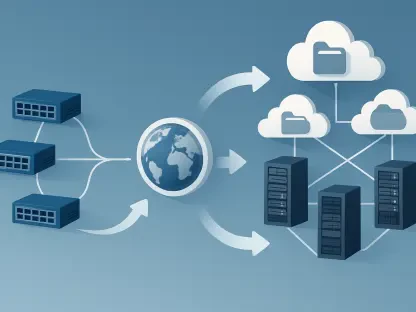

Enterprises seeking to scale IoT deployments from hundreds to millions of units require a management ecosystem that simplifies the complexity of diverse connectivity options. This requirement has driven the industry toward the SGP.32 standard, a sophisticated GSMA specification for eSIM remote provisioning that eliminates the historical friction associated with global device management. Unlike the rigid frameworks of the past, SGP.32 facilitates a plug-and-play architecture where connectivity profiles can be downloaded and activated over the air without physical intervention. Solutions like Eseye’s AnyNet Select have emerged as the primary engines for this transition, offering a centralized library of local and multi-IMSI profiles. By integrating these capabilities, businesses can now bypass the logistical nightmare of managing thousands of individual SIM cards across disparate geographical zones. This shift represents a fundamental change in how digital infrastructure is conceptualized, moving the focus from hardware limitations to software-driven operational flexibility.
Global Compliance: Navigating Regional Regulatory Barriers
Navigating the labyrinth of global telecommunications regulations often presents a significant barrier to entry for expanding enterprises. Many jurisdictions, such as Brazil or Turkey, maintain strict laws regarding permanent roaming, which can lead to service disconnection if a device remains on a foreign network for too long. The SGP.32 standard addresses these hurdles by enabling seamless localization through native profile switching. By leveraging a comprehensive portfolio of local profiles, such as those provided within the AnyNet Select ecosystem, devices can automatically transition to a domestic network identity that satisfies all regional legal requirements. This approach removes the need for organizations to negotiate separate, localized contracts with dozens of different mobile network operators. Instead, they can maintain a single global agreement while ensuring their fleet remains fully compliant with every territory’s unique technological and legal landscape, thereby securing long-term operational viability.
Technical resilience is just as critical as regulatory compliance in the modern connectivity landscape, especially for mission-critical applications where downtime is not an option. The current iteration of the SGP.32 standard integrates sophisticated fallback mechanisms and bootstrap profiles to ensure constant uptime. If a primary local network experiences a service outage or signal degradation, the device can autonomously revert to a backup configuration to restore communication or initiate a fresh profile download. This automated self-healing capability is particularly vital in remote or industrial environments where physical maintenance is prohibitively expensive or impossible. By combining robust local access with these reliable secondary paths, the industry has created a fail-safe environment for data transmission. This level of dependability allows businesses to deploy their technology with the confidence that connectivity will remain stable. It is a vital safeguard for modern digital fleets.
Smart Orchestration: Moving From Provisioning to Dynamic Management
The paradigm of global IoT management has evolved from basic provisioning into a more dynamic state known as connectivity orchestration. This advanced model uses intelligent business rules to manage the entire lifecycle of a connection based on real-time factors like cost, network quality, and geographical location. Orchestration allows for the automated execution of complex switching policies, such as migrating a device to a more economical network profile once it crosses a specific data consumption threshold. This level of automation reduces the administrative burden on internal teams. It allows them to focus on data analysis rather than troubleshooting network links. By utilizing a unified management layer, companies can orchestrate millions of connections simultaneously, ensuring that each individual unit operates at peak efficiency. This shift toward software-defined management marks a significant departure from the manual carrier-switching processes that once hindered the scalability of international IoT projects.
To meet the diverse needs of the modern market, these orchestration services are structured across multiple operating models, ranging from fully managed solutions to highly flexible self-service platforms. The AnyNet Managed Service, for instance, provides a comprehensive experience where the provider handles infrastructure monitoring, billing, and technical troubleshooting. This allows enterprises to treat connectivity as a reliable utility rather than a complex engineering challenge. Conversely, for organizations with robust internal technical departments, self-service models via APIs allow for the direct selection and deployment of specific carrier profiles through platforms like Infinity. This flexibility is further enhanced by the ability to integrate third-party profiles into a single management pane. By offering these varied levels of engagement, the industry has ensured that both small startups and massive multinational corporations can find a management strategy that aligns with their internal resources and long-term strategic objectives.
Strategic Scalability: The Power of Software-Defined Infrastructure
A primary goal of the shift to SGP.32 is the total elimination of vendor lock-in, which has historically restricted the growth of the IoT sector. In the current ecosystem, a software-defined approach ensures that a single Access Point Name and a unified API function consistently across all supported network profiles. This standardization is a massive boon for developers, as it removes the necessity of rewriting application code or reconfiguring security protocols every time a device switches to a different carrier or moves to a new country. Consistency in the underlying communication layer allows for more rapid innovation and shorter time-to-market for new products. When the connectivity layer is abstracted from the hardware, the software can remain static even as the network landscape changes. This continuity provides a stable foundation for the next generation of smart devices, allowing them to function globally without being tethered to the limitations or commercial interests of a single telecommunications provider.
The successful implementation of the SGP.32 standard redefined the boundaries of global connectivity by prioritizing operational freedom and technical simplicity. This transition empowered enterprises to deploy expansive IoT fleets that remained resilient in the face of changing regulations and volatile market conditions. By aligning hardware, eSIM technology, and sophisticated management software, organizations effectively removed the barriers that once made international scaling a high-risk endeavor. The move toward intelligent orchestration ensured that data remained the priority, while the underlying network complexity was handled by automated systems. Ultimately, these advancements proved that a unified, software-defined approach was the most effective way to manage millions of devices across a fragmented global landscape. Those who adopted these flexible ecosystems early secured a competitive advantage by maintaining high availability. The industry moved away from rigid legacy contracts and embraced a more agile future.