
The silent expanses of the Inner Mongolian wilderness have long stood as a resilient yet vulnerable shield against the encroachment of desertification and environmental decay, demanding a level of vigilance that traditional manual patrols could never hope to sustain across such a vast and rugged geography. As the region moves toward a more digitized ecological civilization, the integration of advanced networking has become the cornerstone of environmental defense. This transition represents a shift from reactive monitoring to a proactive sensing ecosystem that utilizes high-frequency data to protect thousands of acres of forest and grassland. The adoption of these technologies ensures that the northern frontier remains a viable ecological barrier for the surrounding provinces.
The current state of forest conservation in this territory has transitioned from traditional manual labor to a sophisticated digital landscape. By integrating 5G networking, the industry has shifted from passive video recording to active, real-time sensing. This modernization involves major market players like China Mobile and Huawei, who are navigating complex environmental regulations to establish a high-tech surveillance framework across remote mountains, wetlands, and grasslands. The transformation is not merely about installing cameras but about creating an intelligent network that can interpret environmental changes and respond to threats without constant human intervention.
Digital Transformation of the Northern Frontier Ecological Barrier
The evolution of forest management in Inner Mongolia is defined by the move away from localized, siloed data toward a unified digital architecture. In the past, rangers relied on isolated observation towers and physical inspections that often took days to complete. Today, the infrastructure provides a continuous stream of data that allows for a comprehensive overview of the ecological health of the region. This digital shift has enabled a more nuanced understanding of how different ecosystems interact, from the moisture levels in the soil to the migration patterns of local wildlife.
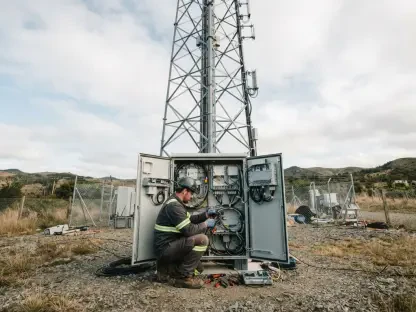
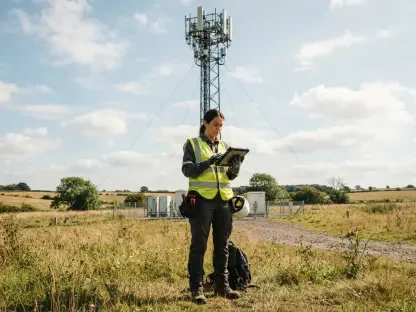
Modernization in this context involves a sophisticated interplay between hardware and software. High-definition cameras equipped with thermal sensors are now the primary tools for identifying potential fire hazards in their nascent stages. These devices are linked via a robust 5G backbone that ensures low latency and high reliability, even in the most isolated sections of the frontier. By removing the need for physical cabling in dense forests, the region has avoided the high costs and environmental disruption typically associated with large-scale infrastructure projects.
Advancements in 5G RedCap and Integrated Sensing
Emerging Trends in Remote Surveillance and Connectivity
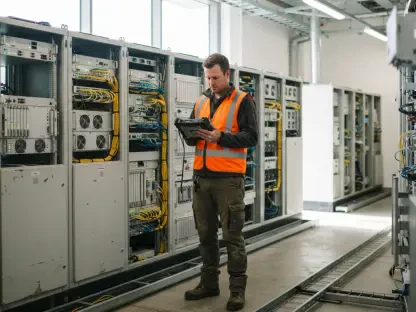
The shift toward 5G RedCap technology represents a primary trend in environmental monitoring, offering a specialized solution for the unique demands of the wilderness. This lightweight version of 5G provides the high uplink speeds necessary for high-definition video while maintaining low power consumption, making it ideal for battery-operated sites. The industry is moving toward autonomous systems, where 5G-Advanced and AI vision models allow for complex behavioral analysis of wildlife and soil health, creating new opportunities for comprehensive digital governance. These trends indicate a move toward more intelligent edge computing, where data is processed locally to reduce the load on the central network.
Furthermore, the integration of multi-spectrum sensing has become a standard requirement for remote surveillance. Cameras no longer rely solely on the visible light spectrum but incorporate infrared and ultraviolet sensors to detect anomalies that are invisible to the human eye. This capability is particularly useful for identifying early-stage smoldering in forest undergrowth, which can often go undetected by traditional cameras until a full-blown fire erupts. The combination of these sensing technologies with 5G connectivity allows for a level of precision that was previously unattainable in such large-scale operations.
Market Growth and Performance Projections for Green Tech
The deployment of 5G-enabled conservation tools is seeing rapid expansion, with plans for over 10,000 video channels across the region by 2028. Growth projections indicate a significant increase in investment for the “PV + Energy Storage + 5G” model, which provides a high return on investment by slashing deployment costs by up to 90 percent. As these systems maintain an uptime of over 99.9 percent, they are expected to become the global standard for managing uninhabited and rugged terrains. Market analysts suggest that the demand for these self-sustaining units will grow steadily as other regions look to replicate the success seen in Inner Mongolia.
Investment in these technologies is also driven by the long-term savings in operational expenditures. By reducing the need for manual patrols and physical maintenance of wired networks, regional authorities can reallocate resources to more critical conservation efforts. The scalability of the 5G RedCap platform allows for a modular approach to growth, where new sensors and cameras can be added to the network with minimal configuration. This flexibility ensures that the digital barrier can evolve alongside the changing needs of the environment, providing a future-proof solution for ecological protection.
Overcoming Infrastructure and Environmental Obstacles
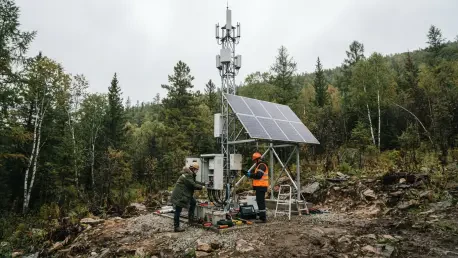
The rugged frontier presents unique challenges, including the logistical impossibility of laying fiber optic cables in dense forests and the lack of traditional power grids. To address these, innovators have adopted a “plug-and-play” infrastructure model that utilizes solar energy and battery storage. This strategy overcomes the seasonal construction bans in fire prevention zones, allowing for rapid deployment without disturbing the fragile ecosystems they are designed to protect. The use of solar power is particularly effective in Inner Mongolia, where high levels of solar irradiance provide a reliable energy source for most of the year.
Beyond the physical limitations, the harsh climate of the region requires equipment that can withstand extreme temperature fluctuations and high winds. Engineering teams have developed specialized enclosures and mounting systems that protect the sensitive 5G and AI hardware from the elements. These ruggedized units are designed for longevity, ensuring that the network remains operational even during the most severe winter storms. This resilience is critical for maintaining a constant watch over the territory, as environmental threats do not pause for inclement weather.
Construction protocols have also been reimagined to ensure minimal impact on the local flora and fauna. Instead of heavy machinery, teams often use lightweight transport methods to deliver components to remote sites. The prefabricated nature of the monitoring stations means that onsite assembly is quick and requires very little ground disturbance. This approach has earned the support of environmental advocacy groups, who recognize the importance of monitoring while demanding the protection of the land during the installation process.
Compliance and Security in Ecological Surveillance
The regulatory landscape in Inner Mongolia emphasizes the “ecological civilization” philosophy, requiring strict adherence to environmental protection standards. Compliance involves ensuring that digital infrastructure does not interfere with wildlife habitats or protected zones. Security measures are also paramount, as the video data serves as legal evidence for identifying illegal deforestation, unauthorized mining, and waste dumping, necessitating robust data encryption and secure transmission protocols across the 5G network. Authorities must balance the need for surveillance with the privacy of the few residents and researchers who inhabit these remote areas.
Data integrity is handled through advanced cryptographic methods that ensure the footage cannot be tampered with or intercepted. This is essential for maintaining the chain of custody required for legal proceedings against environmental criminals. The 5G network provides a secure tunnel for this data, moving it directly from the edge sensors to protected government servers. This system has already proven effective in several high-profile cases where clandestine mining operations were identified and halted through the use of real-time video evidence.
Future Horizons for Digital Forestry and Global Conservation
The future of forest conservation lies in the integration of 5G with the “low-altitude economy,” specifically through the use of coordinated drone swarms for granular inspections. Innovation in AI will continue to refine the precision of fire detection and biodiversity monitoring. As global economic conditions prioritize sustainability, the “One Network, One Shield” architecture developed in Inner Mongolia will likely serve as a blueprint for international conservation efforts in remote areas. The integration of satellite data with terrestrial 5G networks will provide a redundant and even more comprehensive layer of security for the world’s forests.
Autonomous drones will soon be able to dock at solar-powered stations located throughout the forest, allowing them to recharge and launch for scheduled patrols without human oversight. These drones can fly under the canopy to inspect areas that are blocked from the view of high-altitude cameras. This granular data will be fed back into the central AI model to provide a three-dimensional perspective.