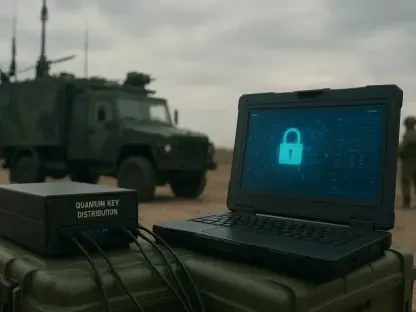

The Defense Information Systems Agency is currently deploying the Coalition Information Environment to eliminate fragmented IT silos across the U.S. Indo-Pacific Command. This ambitious initiative represents a fundamental shift in how the Department of Defense approaches regional security within one of the most complex geographic areas on the planet. For years, the challenge has remained consistent: how to share mission-critical data with diverse allies while maintaining strict security protocols. The new framework seeks to resolve this by providing a standardized, cloud-native architecture that allows for seamless communication between American forces and their international partners. By prioritizing a single, unified environment, the agency effectively moves away from the cumbersome methods of the past. This transition ensures that every participant, from large-scale naval fleets to specialized ground units, can access a common operating picture without the traditional delays of protocol translation, fostering a high-velocity information culture.
Strategic Architecture: Building Unified Defense
Streamlining Data Exchange for Regional Stability
Modernizing communication across vast oceanic distances requires more than just faster hardware; it demands a total reimagining of how data moves between distinct command structures. The Coalition Information Environment addresses this by establishing a shared framework where different nations can plug in their indigenous systems without compromising internal security protocols. This capability is particularly vital during large-scale multilateral exercises where the speed of intelligence distribution can determine the success of joint maneuvers. By implementing standardized application programming interfaces and common data formats, the agency has managed to bridge the gap between older tactical links and modern cloud-based analytics. This technical cohesion allows for a more resilient posture, ensuring that if one node in the network is compromised or goes offline, the remaining participants can maintain a consistent and accurate picture of the operational environment without any significant loss in situational awareness or mission momentum.
Implementing Zero Trust Architecture in Shared Spaces
Security remains the primary concern when opening high-level networks to international partners, which is why the integration of Zero Trust Architecture has become the cornerstone of this unified strategy. Every user, device, and data stream is subjected to continuous verification, moving away from the outdated model of perimeter-based security that assumed everything inside the network was inherently trustworthy. By utilizing advanced identity, credential, and access management solutions, the agency ensures that allies only see the specific information required for their particular mission set. This granular level of control provides the confidence necessary for deeper cooperation, as it prevents unauthorized lateral movement by any entity within the shared space. Such a rigorous security posture is essential in 2026, as sophisticated cyber threats continuously attempt to exploit any perceived weakness in coalition networks, resulting in a robust environment that facilitates trust through technical enforcement rather than relying solely on policy agreements.
Maximizing Resilience: The Path Toward Integrated Defense
The successful implementation of these unified systems provided a clear roadmap for the future of global defense partnerships. It was demonstrated that the transition toward a more integrated information environment required a balance between aggressive technical innovation and the careful management of international relationships. Moving forward, the focus was shifted toward the wider adoption of artificial intelligence to manage the vast quantities of data now flowing through the network. Leaders recognized that while the hardware and software were critical, the ongoing success of these operations depended on continuous training and the refinement of joint data-sharing policies. By prioritizing modularity and scalability, the agency ensured that the network could evolve alongside emerging threats. These efforts established a precedent for other commands to follow, emphasizing that digital sovereignty and collective security are not mutually exclusive but are two sides of the same coin in modern strategic competition.