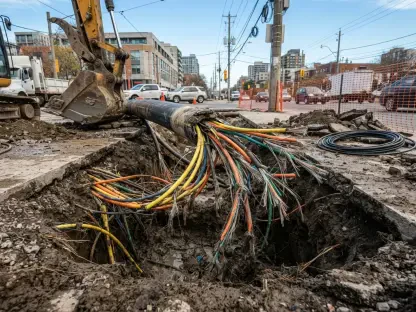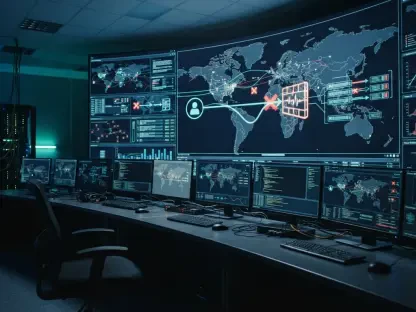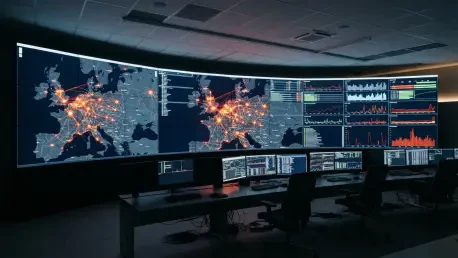

Defensive hygiene, including the use of multi-factor authentication and encrypted tunnels, is now essential for protecting the hardware that manages physical processes. The recent surge in cyberattacks targeting Operational Technology across Europe has served as a definitive wake-up call for global infrastructure security. In the final months of 2024, a wave of digital intrusions disrupted refrigeration systems in hundreds of French supermarkets, eventually spreading to ten other nations within a matter of weeks. These attacks moved beyond the retail space, hitting critical healthcare assets such as regional blood banks where cooling monitors were remotely disabled. These incidents demonstrate that physical systems once considered offline are now prime targets for hackers looking to cause tangible, real-world chaos. As modern connectivity creates new attack surfaces in traditionally isolated industries, the vulnerabilities of internet-connected controllers have become a matter of national security that requires immediate attention and remediation.
Analyzing Vulnerabilities: The Risk of Connected Hardware
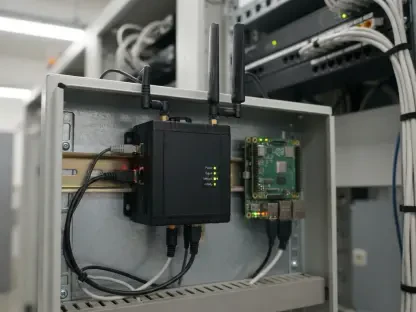
Operational Technology encompasses the hardware and software that manage physical assets, ranging from utility grids and industrial equipment to building management systems. Unlike traditional Information Technology, which focuses on the management of data, OT was historically designed for longevity and functional reliability rather than robust digital defense. Consequently, many of these systems are now considered low-hanging fruit for cybercriminals because they often lack the sophisticated encryption and security layers found in modern office software. The consensus among cybersecurity experts is that these systems represent a significant vulnerability due to their age and the specific protocols they utilize. Many of the controllers still in use today were manufactured at a time when the threat of remote exploitation was non-existent. As these legacy systems are integrated into the wider internet to facilitate better monitoring, they inadvertently expose the physical world to digital risks that were never part of their original design.
The inherent weaknesses in OT systems often stem from their exposure to the public internet for the sake of remote maintenance and energy monitoring. Many controllers utilize factory-set default passwords or lack login requirements entirely, making them easily discoverable via specialized search engines that index connected devices. Furthermore, the reliance on third-party maintenance contractors creates a significant supply chain risk; a single breach of a contractor’s credentials can grant an attacker unauthorized access to the systems of hundreds of different clients simultaneously. This centralized vulnerability means that hackers do not need to penetrate a specific organization’s firewall if they can instead compromise the service provider responsible for the hardware. This trend has shifted the focus of security audits toward credential management and the monitoring of external access points. Without strict controls over who can connect to these systems, the boundary between a secure internal network and the public web becomes dangerously porous and unsafe.
Thermal Urgency: Challenges for Singapore’s Cold Chain
Singapore faces a unique set of challenges that magnify the impact of OT failures, particularly within the cold chain. Because the nation imports over 90% of its food, a disruption at any point in the logistics chain—from port storage to local distribution centers—threatens national food security. The complexity of these supply chains means that a single compromised refrigeration controller can have a cascading effect on the availability of essential goods. The Cyber Security Agency of Singapore has recognized that protecting these nodes is just as critical as protecting financial or government databases. The strategic importance of the food supply chain makes it a high-value target for those looking to exert pressure on the nation’s infrastructure. Consequently, the government has begun urging private sector operators to treat their cooling systems as critical information infrastructure. This shift in perspective is necessary because the economic and social stability of the country relies heavily on the uninterrupted flow of perishable imports.
The environmental conditions in Singapore further compress the timeline for response during a cyber incident. In temperate European climates, a cooling failure might allow a window of several hours or even days before perishables spoil; however, Singapore’s tropical heat ensures that food and medical supplies reach unsafe temperatures almost immediately. This thermal urgency makes the cold chain a high-leverage target for attackers aiming to incite public anxiety or cause rapid economic damage. When a system goes down in a thirty-two-degree Celsius environment, the margin for error effectively disappears, leaving maintenance teams with very little time to restore functionality or move goods. This reality forces security strategies to prioritize prevention over recovery, as the cost of a single failure is disproportionately high. In this context, the proactive monitoring of temperature sensors and the immediate isolation of anomalous network traffic are not just technical requirements but are essential components of maintaining public health and safety.
Systemic Risks: The Breadth of Infrastructure Threats
The vulnerability of refrigeration units suggests a broader systemic risk to various types of urban infrastructure. If a cooling system can be weaponized, so can automated lifts, hotel electronic locks, and central air-conditioning frameworks in high-density shopping malls. A breach in these building management systems could lead to people being trapped in elevators or making large-scale commercial structures uninhabitable, demonstrating the potential for widespread civilian disruption. Urban environments are increasingly reliant on smart technology to manage the flow of people and resources, yet the security of these systems has not always kept pace with their implementation. An attacker could potentially lock down an entire office tower or manipulate the climate control in a hospital, creating dangerous conditions for occupants. The interconnected nature of modern buildings means that a vulnerability in one system can often be used to pivot to another, turning a simple maintenance oversight into a major safety crisis.
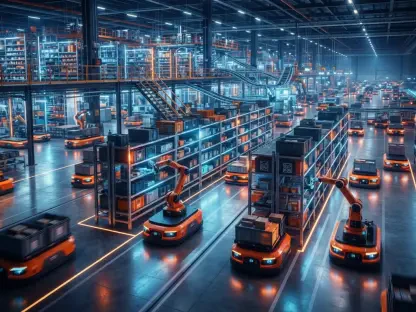
This threat extends deep into the manufacturing and healthcare sectors, where automated processes are the backbone of operations. In warehouses, tampered conveyor belts or robotic sorters could halt production or cause physical injuries to employees if safety protocols are digitally bypassed. In the medical field, the risk goes beyond blood banks to include specialized vaccine storage and hospital ventilation systems. This reality has forced security experts to view every ordinary connected device as a potential entry point for asymmetric warfare. For instance, an intrusion into a manufacturing plant’s control system could result in the production of defective products or the permanent damage of expensive machinery. In healthcare settings, the disruption of life-support systems or the loss of sensitive biological materials represents a direct threat to human life. As industries continue to embrace automation, the need to secure the underlying controllers becomes paramount to ensure that the benefits of technology are not outweighed by the risks.
Strategic Resilience: Securing the National Future
To mitigate these risks, the CSA and security consultants are advocating for a rigorous inventory of all connected OT devices, as organizations cannot protect assets they do not know exist. The preferred strategy involves air-gapping—physically disconnecting critical control systems from the public internet. When remote access is a business necessity, it must be funneled through secure, encrypted tunnels like Virtual Private Networks bolstered by multi-factor authentication. This approach limits the exposure of internal systems to the open web and ensures that only authorized personnel can make changes to physical operations. Additionally, companies are being encouraged to implement network segmentation, which prevents an attacker from moving laterally between different parts of the infrastructure. By creating isolated zones for specific functions, a breach in a non-critical system can be contained before it reaches vital hardware. These tactical adjustments represent a fundamental change in how physical facilities are managed in the digital age.
Stakeholders prioritized the establishment of information-sharing networks where indicators of compromise could be disseminated in real time. If a supermarket discovered a specific vulnerability in a controller model, the sharing of that data allowed hospitals and warehouses to patch their systems before they were targeted. Moving forward, the adoption of rigorous lifecycle management became a non-negotiable standard for all industrial operators. Organizations that successfully mitigated these risks began to view security not as a one-time project, but as an ongoing operational commitment. By isolating legacy equipment on restricted networks and enforcing strict authentication protocols, they reduced the likelihood of a catastrophic failure. Ultimately, the integration of security into the very fabric of physical operations ensured that Singapore’s essential services remained resilient against increasingly sophisticated digital threats. This transition toward holistic infrastructure defense provided a framework for long-term national stability.