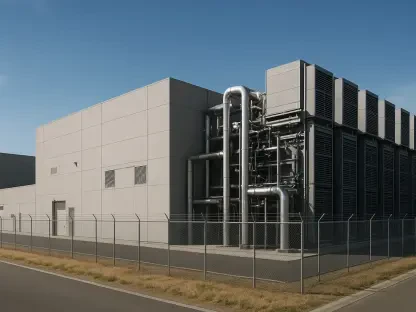

The rapid expansion of Artificial Intelligence has triggered a fundamental shift in market focus from software developers and chipmakers to the physical infrastructure required to sustain massive digital loads. As the industry matures in 2026, the era of purely speculative software valuation has given way to a concrete demand for the industrial machinery that allows these algorithms to function. The digital gold rush of previous years has evolved into a sophisticated engineering race centered on power distribution, cooling efficiency, and high-density real estate. While the primary headlines once belonged exclusively to the architects of Large Language Models, the narrative now revolves around the heavy-duty switchgear and high-voltage transformers that prevent the global network from buckling under unprecedented heat and energy consumption. This transformation underscores a growing realization that AI is not just a cloud-based abstraction but a physical consumer of resources that requires an entirely new tier of industrial support.
The Pillars of Power and Physical Space
Essential Components and Revenue Drivers
Eaton has emerged as a cornerstone of this movement by providing the essential electrical components that bridge the gap between the power grid and the server rack. As data centers transition to the high-density configurations required for generative AI, the demand for sophisticated power management systems has reached an all-time high. The company specializes in manufacturing switchgear and uninterruptible power systems that ensure the continuous operation of sensitive hardware during fluctuations in the electrical supply. Furthermore, the strategic acquisition of Boyd Thermal has allowed the firm to integrate advanced liquid cooling solutions into its portfolio, addressing the massive thermal output generated by modern processing units. By controlling these specific points in the supply chain, the company has become an unavoidable partner for any organization attempting to scale its computing capacity. This hardware-centric approach provides a tangible foundation for the current AI growth cycle.
From a financial perspective, the company’s recent performance highlights the sheer scale of the ongoing construction boom. Revenue figures have surged as electrical backlogs reached record levels, with management noting that the current volume of orders represents more than a decade of continuous manufacturing at existing build rates. This unprecedented demand has allowed the firm to maintain high margins despite the inflationary pressures affecting the broader industrial sector. However, this aggressive expansion has come with a strategic increase in long-term debt, which has grown significantly to fund the acquisition of specialized technologies and the expansion of production facilities. Investors are currently weighing this leveraged position against the company’s clear market dominance and its role as a primary beneficiary of the infrastructure spending wave. The reliance on these mechanical and electrical components ensures that as long as new data centers are planned, the revenue pipeline remains robust.
Digital Real Estate and Connectivity
Equinix serves as the digital real estate backbone of the industry, operating as a specialized Real Estate Investment Trust focused on colocation. Unlike hardware providers, Equinix generates recurring income by leasing space and charging for high-speed network interconnections between clients. With high profit margins and a multi-billion dollar annual commitment to capital expenditures through 2029, the company is betting heavily on the continued demand for physical server space. This strategy allows them to capture the ongoing growth of AI traffic, turning the digital needs of tech giants into steady rental and service revenue. By maintaining a global network of interconnected hubs, they provide the low-latency environments necessary for real-time AI processing and data exchange. The business model thrives on the complexity of modern networking, where the value of a facility is determined by the density of its connections rather than just its square footage.
To maintain its lead, the firm is committing between five billion and seven billion dollars annually in capital expenditures through the end of the current decade. This capital intensity, combined with a high forward earnings multiple, reflects its status as a premium growth stock within the REIT sector. The company’s value proposition lies in its ability to turn AI data traffic into recurring rental and service income through its proprietary interconnection model. By charging customers for the network links between servers, it creates a high-margin ecosystem that becomes more valuable as more participants join. This “network effect” within physical data centers provides a competitive moat that is difficult for newcomers to replicate. As hyperscalers continue to outsource their edge computing needs, the demand for these specialized environments remains a central driver of the company’s long-term financial guidance and market positioning.
Energy Generation and Strategic Risks
Utilities and Speculative Ventures
Vistra provides the literal lifeblood of the AI boom by generating the massive amounts of electricity required to run hyperscale data centers. With a diverse fleet of power plants, including vital nuclear assets, the company is uniquely positioned to offer twenty-four-seven carbon-free energy to tech companies with strict environmental goals. While the firm is a profitable utility today, its true potential is tied to long-term contracts scheduled to begin contributing significantly in 2027. By balancing current power sales with shareholder-friendly dividends and buybacks, it offers a bridge between traditional utility stability and high-growth potential. The ability to provide firm, reliable power in a market increasingly worried about grid stability has turned these energy assets into some of the most valuable components of the AI supply chain. As the gap between energy supply and data center demand widens, those with existing generation capacity hold significant leverage.
In contrast, Fermi represents the high-risk, high-reward speculative end of the infrastructure spectrum, focusing on ambitious greenfield development projects. Unlike established players, this company is currently in a pre-revenue stage, banking its entire future on a single massive data center campus in Texas. Despite boasting a significant long-term revenue backlog through future leases, the company faces immediate liquidity challenges and substantial execution risks. It serves as a cautionary example for investors, illustrating that while the demand for AI space is high, the path from holding a construction permit to generating actual cash flow is fraught with financial and legal hurdles. The company’s success depends entirely on its ability to deliver its first two hundred megawatts of power by 2027 and navigate its current liquidity crunch. Recent class-action lawsuits and the termination of prior construction agreements have added layers of uncertainty to an already volatile development timeline.
Navigating Market Timelines and Implementation
The strategic landscape of the last few years demonstrated that physical assets were the ultimate gatekeepers of digital progress. Market participants who prioritized companies with established manufacturing footprints and existing grid connections avoided the volatility associated with purely speculative development plays. The shift toward specialized power generation and cooling technologies proved that the hardware layer was the most resilient segment of the technology sector. Looking ahead, the focus remained on identifying entities with secured long-term contracts and the ability to navigate the complexities of local utility regulations. This era showed that the successful integration of artificial intelligence required more than just clever programming; it demanded a fundamental commitment to the industrial and electrical foundations of the modern world. Investors who recognized this shift early were able to capitalize on the stability of the infrastructure providers.
Decision-makers transitioned their focus toward long-term power purchase agreements and modular data center designs to mitigate the risks of grid congestion. The industry moved away from massive, centralized projects in favor of distributed infrastructure that could be deployed rapidly to meet regional demand. This approach allowed for more flexible scaling and reduced the impact of localized power shortages. By the end of this cycle, the distinction between a technology company and an industrial utility had blurred, as the most successful firms were those that controlled both the software and the physical environment in which it resided. Moving forward, the industry must prioritize sustainable energy integration and the modernization of aging electrical grids to ensure that the physical constraints of the world do not stall the progress of digital innovation. The lessons learned during this period of expansion provided a blueprint for the next phase of global industrial transformation.