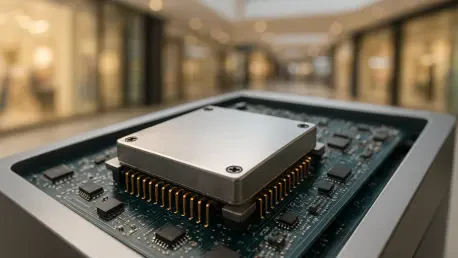

Smart kiosks and energy management systems must now interact seamlessly with surrounding infrastructure without requiring specialized, proprietary software layers. This shift toward standardization has led to the introduction of Quectel Wireless Solutions’ latest suite of smart modules, including the SG530C-EM and SG865C-WF, which are built to run on the Android 16 platform. By adopting an operating system familiar to developers, manufacturers can bypass hurdles of driver compatibility and middleware development that often plague custom systems. These modules integrate 4G and 5G connectivity with a powerful computing core, allowing for a streamlined hardware architecture that reduces physical footprint and energy use. As industrial demands for real-time processing and interactive interfaces grow, the move to a unified software stack based on Android 16 ensures that various devices remain interoperable and capable of supporting advanced functions across the entire ecosystem.
Advanced Computation and Connectivity for the Edge
High-Performance Hardware: Powering Intelligent IoT Terminals
The technical specifications of the SG865C-WF and SG530C-EM modules reflect a response to the increasing need for edge computing power in diverse IoT environments. Equipped with high-performance octa-core processors and robust graphics engines, these modules handle the heavy computational loads associated with modern artificial intelligence and machine learning tasks at the network edge. This capability is vital for applications such as automated checkout systems in retail or predictive maintenance sensors in manufacturing, where decisions must be made in milliseconds without sending data to a central server. Furthermore, the inclusion of integrated 5G support in the high-tier modules ensures ultra-reliable, low-latency communication, which is essential for mission-critical operations in smart factories. By providing a scalable hardware platform, Quectel enables businesses to deploy a single architectural design across multiple product lines, significantly reducing long-term research costs.
Multimedia Integration: Enhancing User Experience in Smart Environments
Multimedia versatility stands as a core pillar of the new smart module lineup, particularly for devices requiring rich visual output and camera integration. The SG865C-WF, for instance, supports 4K video playback and multiple camera interfaces, making it an ideal choice for high-definition digital signage and advanced conferencing terminals. This hardware allows for the creation of immersive customer experiences in smart retail, where interactive mirrors or wayfinding kiosks can utilize computer vision to provide personalized recommendations. In industrial settings, the ability to process high-fidelity video streams in real-time facilitates augmented reality overlays for technicians, improving the accuracy of complex repairs. Standardizing these multimedia functions on the Android 16 framework simplifies the development of complex graphical user interfaces, as engineers can utilize existing tools to create responsive, high-performance applications that meet the high expectations of modern users.
Longevity and Stability in Software Ecosystems
Android 16: Building a Secure Foundation for Industrial Life Cycles
Long-term reliability in the IoT sector is dependent on the sustainability of the software ecosystem, a challenge that Quectel addresses through the strategic use of Android 16. Industrial devices often have service lives that span several years, necessitating a software platform that receives consistent security updates and feature enhancements to remain viable in an evolving threat landscape. The new modules benefit from a long-term support model that aligns with enterprise requirements for stability and security, ensuring that sensitive data collected by smart city sensors or medical equipment remains protected. This focus on software longevity mitigates the risk of technical debt and hardware obsolescence, providing a clear upgrade path for future-proofing deployments. Additionally, the availability of comprehensive development kits allows organizations to optimize their applications for regional requirements, ensuring that their products remain compliant with local regulations across the world.
Strategic Implementation: Success Factors for Global Deployment
Organizations that successfully integrated these smart modules discovered that prioritizing early-stage prototyping with the Android 16 developer tools provided a distinct competitive advantage. The transition was facilitated by a thorough analysis of network bandwidth requirements and power efficiency targets, which allowed engineering teams to select the most appropriate 4G or 5G variants for their use cases. Stakeholders found that establishing a clear roadmap for over-the-air updates was essential for maintaining device health and security over the long term. These companies moved away from fragmented legacy software architectures and adopted a more unified approach that enhanced interoperability between different classes of hardware. It was observed that the most effective strategies involved a deep collaboration between hardware designers and software developers to leverage hardware acceleration features. Ultimately, the adoption of these platforms paved the way for scalable IoT infrastructures that were equipped for a global market.