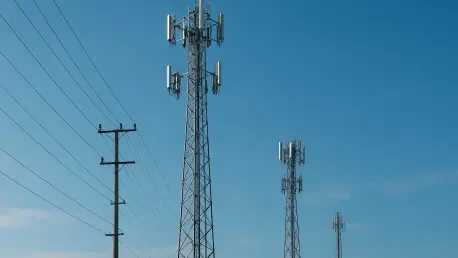

The rapid evolution of South Africa’s digital economy hinges on the ability of telecommunications giants to provide seamless, high-speed connectivity even in the most geographically challenging or economically diverse regions of the Western Cape. New infrastructure safeguards are being implemented to protect against copper cable theft and other criminal activities that threaten consistent network uptime. This current fiscal cycle marks a turning point with a R500 million capital expenditure designed to overhaul regional capabilities and foster an inclusive digital society. Approximately R380 million of this fund is earmarked for the Radio Access Network, which involves the comprehensive modernization of over 50 sites across the province. By integrating cutting-edge cellular hardware and software, the network aims to achieve superior data speeds and significantly improved call quality while simultaneously reducing operational energy consumption. This strategic investment ensures that both metropolitan hubs and remote rural stretches are equipped with the infrastructure necessary to support the ongoing shift toward a fully 5G-integrated economy.
Infrastructure Modernization and Connectivity Expansion
Bridging the Digital Divide: Access in Underserved Areas
A core pillar of the current strategy is extending high-quality connectivity to underserved townships and deep rural communities that have historically faced digital isolation. By utilizing the 700MHz spectrum, the network can provide significantly better indoor coverage and long-range signals in areas such as Khayelitsha, Delft, and Mitchells Plain. This low-band frequency is particularly effective at penetrating physical structures, ensuring that residents can access high-speed internet without the need for external antennas or expensive signal boosters.
The effort is designed to level the playing field by providing residents in these marginalized areas with access to vital online services that were previously out of reach. Digital inclusion serves as a bridge to essential resources, including virtual education platforms for students and mobile healthcare applications for remote consultations. By expanding the 4G and 5G footprint into these regions, the initiative fosters a more equitable environment where geographic location no longer determines an individual’s ability to participate in the modern global marketplace.
Strengthening Network Resilience: Combatting Power Disruptions
To counter the frequent power outages and municipal load reduction issues that continue to impact the region, a significant portion of the investment is allocated to energy resilience. The rollout includes the installation of heavy-duty static generators and advanced lithium-ion battery systems at critical network hubs. These components are specifically engineered to keep the network operational when the local grid fails, preventing the service drops that often disrupt commerce and personal communication during energy cycles.
This focus on resilience ensures that local businesses and emergency services stay connected, maintaining the continuity of the regional digital economy even during periods of infrastructure failure. Beyond mere backup power, the project integrates remote monitoring systems that allow technicians to address hardware issues before they lead to service outages. This proactive approach to maintenance, combined with hardened physical security for sensitive equipment, provides a stable foundation for the province’s increasingly sophisticated digital demands.
Driving Economic Inclusion and Technological Adoption
Enhancing Consumer Affordability: Device Migration Strategies
Infrastructure is only effective if the local population can afford to access it, which is why the current project prioritizes financial accessibility alongside technical upgrades. Through device financing programs such as the Easy2Own initiative, customers are empowered to switch from obsolete 2G and 3G hardware to modern 4G and 5G-enabled smartphones. This program allows users to pay for high-quality devices over time, removing the high upfront cost barrier that frequently prevents lower-income households from joining the high-speed mobile revolution.
The transition to modern hardware has already triggered a notable 40% surge in data usage across the province, highlighting a massive latent demand for affordable digital connectivity. As more users migrate to 4G and 5G platforms, the overall efficiency of the network increases, allowing for more data-intensive applications like video conferencing and high-definition streaming. These initiatives demonstrate that lowering the barriers to entry is just as critical as building towers, as it converts technical potential into tangible social utility.
Empowering Local Enterprises: Digital Consultancy and Support
Beyond the individual consumer, the investment supports the growth of small and medium-sized enterprises through the deployment of dedicated digital consultancy platforms. Tools like the V-Hub offer free expert advice on complex topics such as cybersecurity, financial management, and customer acquisition in a digital-first environment. By providing SMEs with these resources, the program helps local business owners navigate the complexities of the digital marketplace, ensuring they can compete effectively with larger, more established corporations.
This holistic approach ensures that the capital expenditure benefits the entire economic ecosystem, turning technology into a catalyst for long-term provincial prosperity. By fostering a technologically literate business community, the region becomes more attractive to international investors and local entrepreneurs alike. The integration of 5G capabilities specifically allows these businesses to utilize advanced Internet of Things applications and real-time data analytics, further driving innovation and operational efficiency across the Western Cape.
Strategic Foundations for Regional Digital Integration
The strategic allocation of R500 million across the Western Cape demonstrated a robust commitment to regional development that prioritized infrastructure overhauls and social equity. This initiative successfully modernized the provincial radio access network while implementing critical energy backups that secured the digital economy against unpredictable power disruptions. By focusing on deep rural and township expansion, the project effectively addressed the digital divide, ensuring that connectivity became a universal utility rather than a luxury for urban centers. The resulting 40% increase in data consumption confirmed that the population was ready and willing to embrace advanced digital tools when provided with the necessary hardware and affordable pricing structures.
Moving forward, stakeholders in the Western Cape should look toward expanding public-private partnerships to further capitalize on this newly established 5G foundation. Local governments could integrate this high-speed infrastructure into “smart city” initiatives, focusing on automated traffic management and enhanced public safety monitoring. Additionally, businesses are encouraged to utilize platforms like V-Hub to transition their operations into fully digital workflows, ensuring they remain resilient against future economic shifts. Continued investment in local technical literacy will be essential to ensure that the human capital of the province can keep pace with these rapid hardware advancements.