As AI agents gain autonomy, the underlying network infrastructure must evolve from a simple transport layer into a governed environment capable of enforcing real-time access controls. In the current landscape of 2026, the expansion of the strategic partnership between Microsoft and Lumen

The current digital environment is experiencing a critical escalation where the speed of vulnerability weaponization by threat actors has effectively outpaced the remediation capabilities of modern enterprise security teams. This disparity creates a significant tactical advantage for adversaries,
As we navigate the technological landscape of 2026, the traditional boundaries of corporate software are effectively dissolving. Matilda Bailey, a seasoned networking specialist with a deep focus on next-generation wireless and cellular solutions, joins us to discuss how the integration of
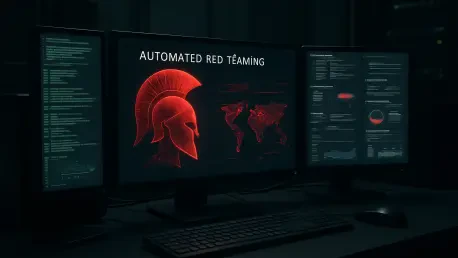
The platform’s fail-closed design ensures that any testing activity remains within authorized boundaries by monitoring network calls at the Python environment level. This revolutionary approach to cybersecurity validation addresses the systemic weaknesses of traditional, static penetration tests
Google Cloud has introduced the Agent Compute Engine to address the unique infrastructure challenges of hosting autonomous AI agents that must execute code and use external tools. This development marks a significant departure from the early days of generative AI, where simple text-based
The complexity of modern cloud environments has reached a critical threshold where human oversight alone is no longer sufficient to guarantee structural integrity, cost-efficiency, or security in real-time. This review explores the evolution of the AWS Well-Architected Agent, its core features, and