In an era where digital transformation is reshaping every corner of the business world, enterprises are grappling with the immense challenge of maintaining networks that can keep up with skyrocketing demands for speed, reliability, and scalability, while traditional Local Area Networks (LANs),
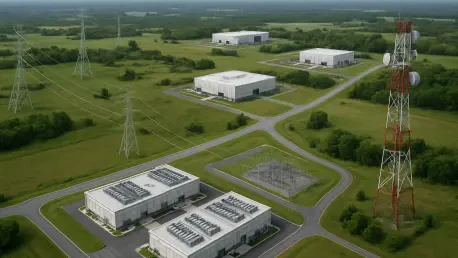
In an era where artificial intelligence is reshaping industries at an unprecedented pace, the backbone of this transformation often goes unnoticed, yet it is absolutely critical to unlocking AI’s full potential. Enterprises worldwide are grappling with the immense computational demands of AI

In an era where digital connectivity underpins nearly every aspect of business and daily life, the challenge of managing increasingly intricate networks has become a pressing concern for enterprises worldwide, especially with the rapid proliferation of IoT devices. With the shift toward edge

In an era where cloud and AI technologies underpin the operations of critical sectors like healthcare, finance, and government, the security of these systems has never been more paramount, as a single vulnerability in the underlying infrastructure can cascade into catastrophic breaches, exposing

Picture a future where artificial intelligence systems independently manage customer interactions, streamline complex operations, and make critical decisions with little to no human oversight—a reality that agentic AI is rapidly bringing to life. This transformative technology holds the potential

In an era where the demand for faster and more secure data transmission is skyrocketing, a groundbreaking collaboration is taking shape to redefine space communication with remarkable innovation. The University of South Australia (UniSA), alongside Adelaide-based start-up RapidBeam and Japanese