
Traditional Wide Area Network architectures are reaching a physical breaking point as financial institutions shift from experimental back-office AI to high-stakes market applications. The current landscape of 2026 demonstrates that nearly 40% of all functional tasks across the banking and insurance

Matilda Bailey has witnessed the high-speed transformation of global networking, moving from the idealistic era of borderless connectivity to the complex, fragmented reality we face today. As a specialist in next-gen cellular and wireless solutions, she has a unique vantage point on how data

Retailers are bridging the gap between physical stores and digital supply chains by synchronizing shelf sensors with automated point-of-sale systems. This integration represents a microcosm of a much larger transformation currently sweeping through the global enterprise landscape. While the
The rapid proliferation of distributed systems and the sudden surge in AI-driven workloads have made traditional manual network record-keeping a significant risk for the modern enterprise. As companies navigate the complexities of 2026, the demand for a more sophisticated way to manage

The relentless expansion of modern digital infrastructure has finally reached a critical point where the traditional reliance on rigid "if-this-then-that" scripting is no longer sufficient to maintain global connectivity. In an environment where network complexity consistently outpaces human
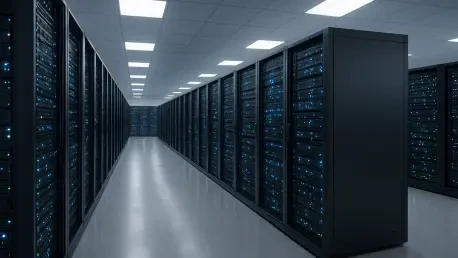
Scaling AI infrastructure vertically involves adding more powerful components to a central rack, whereas scaling at the edge requires the horizontal addition of many individual physical units. This fundamental architectural divide defines the strategic landscape for enterprises as they move beyond