The persistent integration of autonomous systems into the global digital fabric has shifted the primary burden of data transport from human users to high-velocity machine agents. This evolution marks a definitive end to the era of predictable, bursty traffic patterns, replacing them with a
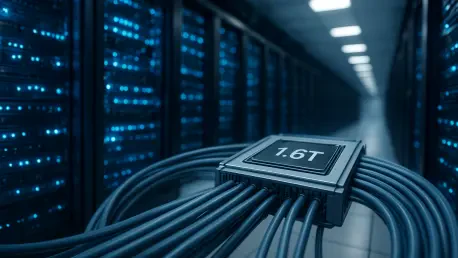
The rapid expansion of artificial intelligence and high-performance computing has pushed regional telecommunications networks to their absolute physical limits, forcing a radical rethink of how data traverses the oceanic floor and terrestrial corridors. Oceania is currently witnessing a massive
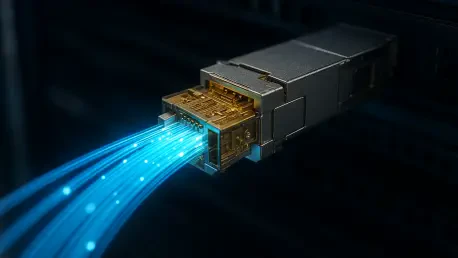
The relentless acceleration of artificial intelligence has pushed data center infrastructure beyond its traditional limits, necessitating a radical shift toward optical solutions capable of handling massive 224G per lane throughput. As hyperscale data centers grapple with the immense data demands

The relentless expansion of artificial intelligence has pushed traditional data center architectures toward a catastrophic bottleneck where electrical switching can no longer keep pace with the massive throughput required by modern GPU clusters. This crisis has catalyzed the rise of Optical Circuit
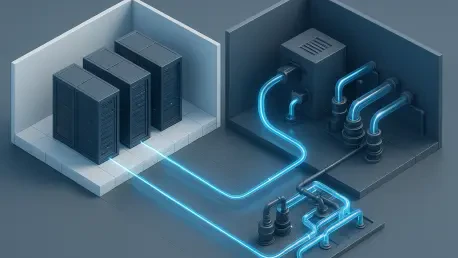
Modern AI chips generate such extreme levels of heat that cooling towers and liquid systems require fast-converging network protocols to prevent dangerous thermal runaway conditions. This operational reality has forced a significant departure from the legacy models of data center management where
The rapid architectural transition of the modern data center has elevated networking from a secondary support function to the primary bottleneck of large-scale artificial intelligence training. As generative AI models expand in complexity, the hardware required to facilitate communication between