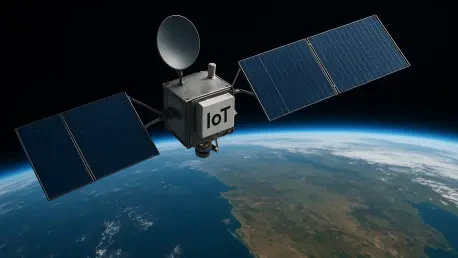

The democratization of satellite data is transforming how industries track high-volume assets that spend only a portion of their lifecycle within cellular range. This shift marks a departure from the days when satellite connectivity was a niche luxury reserved only for mission-critical military operations or high-budget scientific research. Today, the integration of terrestrial cellular networks with non-terrestrial networks offers a seamless solution for the modern industrial landscape. As logistics networks expand into increasingly remote territories, the inherent limitations of traditional cell towers become more pronounced, creating significant blind spots for asset managers. By leveraging a hybrid approach, companies can maintain visibility over their supply chains regardless of geographic isolation. This connectivity bridge ensures that telemetry data and diagnostics remain uninterrupted as equipment traverses the globe. The result is a more resilient infrastructure that supports the growing demands of global commerce.
Seamless Handover: The Automation of Network Logic
Managing complex connectivity across varying infrastructures traditionally required immense administrative effort and multiple service level agreements. The arrival of automated hybrid systems has radically simplified this process by enabling devices to intelligently switch between network types based on signal strength and cost-efficiency. This internal logic operates without human intervention, ensuring that a device remains connected even when it crosses into a deep-sea shipping lane or a barren desert. By eliminating the technical friction of manual handoffs, operators can focus on the insights gained from the data rather than the mechanics of how that data was delivered. This level of automation provides a unified operational view, where a single management platform oversees thousands of units globally. Consequently, the operational overhead associated with global fleet management has plummeted, allowing for more expansive and ambitious logistical projects.
Technical reliability in these transitions is bolstered by sophisticated firmware that evaluates network availability in real-time. Instead of simply seeking the strongest signal, modern hybrid IoT modules prioritize the most cost-effective route while ensuring that high-priority alerts are transmitted immediately. This smart routing is particularly vital for industries where environmental conditions can change rapidly, such as energy production or forestry. If a cellular tower goes offline due to a storm or power failure, the device identifies the outage instantly and redirects traffic through a satellite constellation. This redundancy creates a failsafe mechanism that was previously unattainable for standard industrial assets. The stability provided by these autonomous systems fosters a new level of trust in digital monitoring tools, encouraging wider adoption across sectors that were once hesitant to rely on wireless technology in harsh or unpredictable environments.
Market Democratization: Standardizing Global Connectivity
The move toward 3GPP standards has been a pivotal factor in the widespread adoption of satellite IoT technology. By aligning with global telecommunications frameworks, specifically Release 17, hardware manufacturers can now produce interoperable components that work across various network providers. This standardization removes the barriers created by proprietary systems, which often locked companies into expensive, long-term contracts with limited flexibility. As hardware becomes more standardized, the economies of scale begin to drive down the cost of entry for many organizations. This shift allows smaller enterprises to implement the same sophisticated tracking solutions used by multinational corporations. The harmonization of these technologies means that a single device configuration can function globally, simplifying manufacturing and reducing the need for region-specific inventory. Standardized protocols also ensure that future software updates can be rolled out across entire fleets.
The physical backbone of this connectivity revolution lies in specialized hardware like the AssetHawk tracker, which serves as a versatile sensor hub. These battery-powered devices are engineered for a low total cost of ownership and are equipped with Bluetooth capabilities to collect data from nearby environmental sensors. By acting as a localized gateway, the hardware can gather comprehensive situational data and transmit it via the most cost-effective path available. This dual-layer strategy allows industrial operators to maintain high levels of awareness over their equipment’s health and location without draining battery life or overspending on data. Deployment is strategically focused on regions with massive industrial sectors, such as mining in Australia and agriculture in North America. By automatically routing traffic to the least expensive network, companies can optimize their blended cost per message, ensuring remote asset management is no longer a luxury, but a standard utility.
The successful integration of hybrid satellite IoT provided a clear blueprint for overcoming the geographic limitations that once hindered industrial progress. Decision-makers who moved early to adopt these standardized 3GPP solutions secured a significant advantage in operational visibility and cost control. To capitalize on these advancements, organizations prioritized the auditing of their current asset lifecycles to identify the specific zones where connectivity was most likely to fail. They also invested in hardware that offered both long-term durability and the flexibility to adapt to evolving network standards. By focusing on a blended cost model, companies avoided the pitfalls of over-reliance on a single network type and ensured that their data pipelines remained resilient against local infrastructure outages. The shift toward a unified, automated network logic effectively removed the administrative burden of managing separate contracts, allowing teams to focus on the strategic application of field data.