
Modern enterprise networks are currently facing an unprecedented surge in data traffic requirements due to the widespread adoption of high-resolution video surveillance and complex Internet of Things deployments. To address these escalating needs, QNAP has introduced the QSW-M2130 series, which consists of high-performance Layer 2 Web Managed Switches designed specifically for the 2.5GbE era. This new series provides a critical bridge for small to medium-sized businesses looking to upgrade their infrastructure from legacy Gigabit Ethernet to more robust multi-gigabit speeds without requiring a complete overhaul of their existing cabling. By integrating 2.5GbE ports alongside 10GbE SFP+ uplinks, the series ensures that local network bottlenecks are effectively eliminated while maintaining high-speed connectivity to core servers. These switches represent a tactical shift in network design, prioritizing both power efficiency and high throughput for modern digital workflows that involve large file transfers and real-time data processing across multiple connected devices.
Advanced Hardware: Part 1
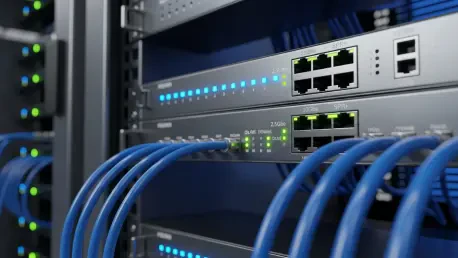
The hardware architecture of the QSW-M2130 series is centered around a versatile port configuration that caters to a variety of deployment scenarios in professional environments. Both the QSW-M2130-16C and the PoE-enabled QSW-M2130P-16C feature sixteen 2.5GbE ports, which are essential for supporting the latest generation of workstations and high-speed network-attached storage units. Furthermore, the inclusion of two 10GbE SFP+ combo ports provides a unique level of flexibility, allowing administrators to choose between copper or fiber connections depending on the physical distance and interference requirements of the site. This hybrid approach allows for seamless integration into existing 10GbE backbones while providing a significant performance boost to the edge of the network. The hardware is housed in a compact rackmount chassis, ensuring that it can be easily integrated into standard cabinets or smaller wall-mounted enclosures without occupying excessive space or requiring specialized cooling solutions in typical office environments.
Advanced Hardware: Part 2
Significant attention was paid to the power delivery capabilities of the QSW-M2130P-16C model, which fully supports the IEEE 802.3bt PoE++ standard to meet the demands of power-hungry devices. Each of the sixteen ports is capable of delivering up to 90 watts of power, enabling the direct connection of high-performance Wi-Fi 7 access points, 4K PTZ security cameras, and even specialized LED lighting or digital signage. The total power budget is meticulously managed through internal software, ensuring that high-priority devices receive consistent energy even during peak operational periods. This elimination of separate power injectors or dedicated electrical outlets simplifies the installation process and reduces the overall complexity of the cable management system. By consolidating both data and high-wattage power into a single cable, organizations can achieve a cleaner and more efficient installation, which is particularly beneficial in older buildings where electrical infrastructure is often limited or difficult to expand for new technology.
Strategic Implementation: Final Considerations
Decision-makers evaluated the potential for long-term scalability and determined that adopting multi-gigabit hardware became a foundational step for future-proofing digital operations. Implementing the QSW-M2130 series allowed technical teams to immediately alleviate congestion issues that previously plagued high-density office environments and creative studios. To maximize the benefits of this deployment, it was recommended that organizations audit their current cabling standards to ensure compatibility with 2.5GbE and 10GbE speeds across all segments. Strategic placement of these switches at the network edge facilitated a more modular expansion of smart office technologies and high-definition communication tools. Moving forward, the focus shifted toward integrating these managed switches with automated security protocols and centralized monitoring platforms to enhance overall network resilience. This proactive approach ensured that infrastructure remained capable of supporting emerging data-intensive applications while maintaining a low total cost of ownership for the business.