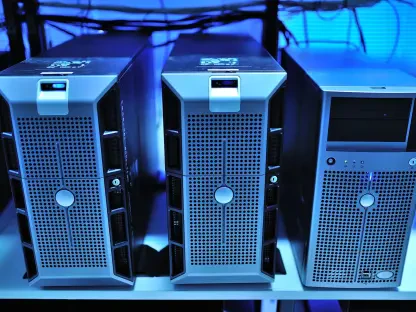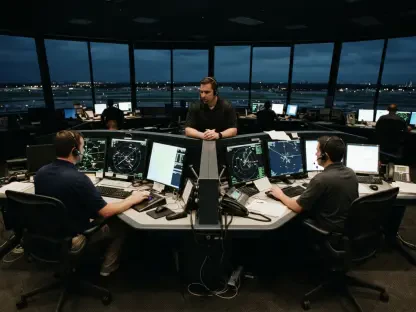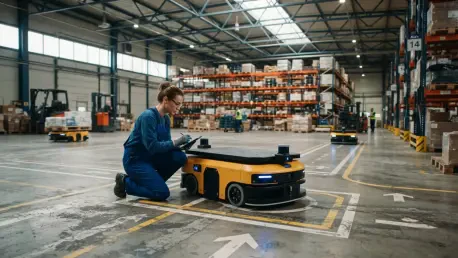

Enterprise interest in machines that sense and act in the physical world is accelerating, with Gartner projecting Physical AI to be a dominant strategic technology trend by 2026. This shift reflects a fundamental change in how industrial sectors approach automation, moving beyond static robotic arms to truly autonomous mobile entities that navigate complex environments. As these systems become more prevalent in logistics, agriculture, and manufacturing, the underlying infrastructure must evolve to support high-bandwidth data needs and low-latency decision-making processes. Soracom has addressed this requirement by launching its Physical AI Suite, a dedicated framework designed to bridge the gap between digital intelligence and physical hardware. By offering a unified solution that integrates global connectivity with advanced security protocols, the platform simplifies the deployment of massive robot fleets. This initiative arrived at a critical juncture when organizations struggled to manage disparate systems, providing a much-needed blueprint for scaling autonomous operations effectively.
Scaling Physical Intelligence in Industrial Environments
Secure Connectivity: Multi-Network Resilience and Privacy
The suite implements a multi-layered security strategy that prioritizes hardware integrity and data privacy through innovative technical measures. A core feature involves IMEI locking, effectively tethering a SIM card to a specific device to prevent unauthorized usage or hardware tampering in the field. To ensure resilient communication, the platform utilizes Soracom Arc, enabling secure and encrypted connections across cellular, Wi-Fi, and even satellite networks. This versatility proves essential for machines operating in remote or shielded environments where a single network type might fail. Furthermore, the inclusion of automated certificate provisioning allows for the seamless establishment of secure identities for every device in a fleet without requiring manual intervention. By centralizing these security functions, the suite removes traditional barriers associated with managing complex encryption keys and identity management. This comprehensive approach ensures that even as the number of active units grows into the millions, each individual machine remains protected.
Streamlined Integration: Managing Global Robotics Fleets
For service providers and systems integrators, the platform represents a streamlined approach to managing massive robot fleets across diverse geographical regions. Rather than building custom infrastructure from scratch, companies utilize an existing global console and standardized APIs to monitor performance and adjust configurations in real time. The service structure is intentionally accessible, carrying no additional suite fees beyond standard component rates, which eliminates the need for costly professional service engagements during the initial setup. This democratic access to sophisticated management tools allows smaller firms to compete with larger enterprises by deploying advanced robotics with minimal upfront investment. By consolidating disparate technologies into a single framework, the suite positions itself as a foundational layer for the next generation of autonomous industrial systems. The ability to manage global deployments from a single interface reduces operational friction and allows integrators to focus on refining AI models.
Operational Insight: Proactive Maintenance and Lifecycle
Operational efficiency reaches new heights as the suite provides necessary tools for remote maintenance and real-time data analysis. The integration of Soracom Napter allows technicians to access devices securely for troubleshooting without exposing them to the public internet, while Soracom Flux leverages artificial intelligence to interpret operational telemetry. Organizations that adopt these tools move away from reactive maintenance toward a proactive model where firmware updates and AI model refinements are delivered over private connections. These advancements demonstrate that successful Physical AI deployment requires more than just capable hardware; it demands a robust lifecycle management strategy. Stakeholders recognize that prioritizing unified management platforms is the most effective way to reduce overhead. By consolidating connectivity and intelligence into a single framework, companies successfully mitigate the risks of scaling. The focus shifts from basic connectivity to maximizing data utility, ensuring that autonomous systems remain reliable.