
The rapid acceleration of generative artificial intelligence has fundamentally altered the structural blueprint of the modern data center, forcing a transition where cooling is no longer a peripheral utility but the very heartbeat of facility design. Historically, data center cooling was treated as a secondary concern, focused primarily on maintaining a comfortable ambient temperature for racks that consumed modest amounts of power. However, as of 2026, the massive computational appetites of large language models and neural networks have rendered traditional air-cooling methods insufficient for high-performance clusters. This shift has necessitated a total reimagining of the relationship between silicon and fluid dynamics, as the industry reaches a critical inflection point where thermal management determines the physical limits of compute capacity. Engineers are now tasked with designing buildings that function more like complex heat exchange machines than traditional warehouses, reflecting a world where the ability to dissipate heat is as vital as the ability to provide stable electricity to the servers.
Navigating the New Thermal Landscape
The Challenge: Managing Extreme Power Density
The sheer magnitude of thermal loads in the current landscape is pushing rack densities toward thresholds that were considered impossible just a few years ago. While legacy facilities often hovered around ten to fifteen kilowatts per rack, modern AI-centric infrastructure is regularly deploying hardware that demands several hundred kilowatts, with some cutting-edge designs approaching the megawatt scale for a single cabinet. This unprecedented concentration of heat generation has effectively broken the traditional air-cooling model, which relied on moving vast volumes of chilled air through perforated floor tiles. In response, designers are abandoning the reactive philosophy of cooling the entire room and are instead moving toward a unified system design. In this integrated approach, the silicon, the chassis, and the building’s mechanical infrastructure are developed in tandem to ensure that the thermal energy is captured as close to the source as possible, preventing the data hall from becoming an unmanageable heat sink.
Building on this foundation, the transition to high-density environments has dissolved the historical barriers between facility management and IT operations. Modern building management systems must now work in near-perfect synchronization with server-level telemetry to manage the dynamic heat signatures of fluctuating AI workloads. This requires a level of integration that extends beyond simple monitoring; it involves sophisticated data center infrastructure management platforms that can adjust pump speeds and valve positions in real-time based on the specific tasks being processed by the chips. As the industry moves deeper into this era of extreme density, the physical building is increasingly viewed as an extension of the server rack itself. This tighter coupling ensures that infrastructure can scale alongside the rapid advancements in chip architecture, allowing operators to maximize the performance of high-wattage components without risking catastrophic thermal throttling or premature hardware failure during intensive training cycles.
The Evolution: Integrating Advanced Control Systems
The demand for precision in thermal management has led to a sophisticated evolution in how control systems are architected within the facility. Unlike the static cooling loops of the past, contemporary designs utilize bidirectional communication between the server’s onboard controllers and the external cooling plant. This allows for a more granular response to localized hotspots within a cluster, ensuring that cooling resources are not wasted on idle hardware while high-utilization nodes receive maximum flow. Moreover, the adoption of specialized sensors throughout the facility provides a high-fidelity view of fluid temperatures and pressures, allowing for the fine-tuning of energy usage. By optimizing these parameters, data center operators can significantly reduce the overall energy overhead of the cooling system, which remains the largest consumer of non-compute power. This level of control is essential for maintaining the operational stability required for the latest generation of AI processors, which operate within narrow thermal margins.
Furthermore, this technological progression has forced a shift in the physical layout of the data hall to accommodate the intricate plumbing required for direct-to-chip systems. Engineers are now designing facilities with reinforced floors and overhead support structures to handle the weight of heavy fluid-filled manifolds and the associated distribution piping. The design process now prioritizes the shortest possible distance for fluid travel to minimize pressure drops and thermal gain within the loop. This geographic optimization within the hall represents a departure from the open-aisle configurations of previous decades, favoring instead a more modular and contained approach. As cooling components become more deeply embedded into the IT infrastructure, the distinction between a plumber and a data center technician continues to blur. This professional convergence reflects the reality that the physical environment must be as agile as the software running within it, ensuring that the facility remains a capable host for the ever-increasing power requirements of modern AI models.
Innovative Cooling Technologies and Architecture
Solutions: Transitioning to Liquid and Modular Designs
To effectively bridge the performance gap between legacy systems and modern AI hardware, the industry has widely adopted hybrid cooling architectures that combine air and liquid technologies. Single-phase liquid cooling has emerged as the dominant standard for the newest generation of high-performance chips, utilizing a non-conductive coolant that remains in a liquid state while circulating directly across the hot components. This method is far more efficient than air cooling because liquids possess a much higher heat-carrying capacity, allowing them to absorb and transport thermal energy away from the silicon with minimal energy input. While two-phase systems, which utilize the latent heat of evaporation to provide even greater cooling potential, offer a glimpse into the future of thermal management, they currently face hurdles related to operational complexity and the strict environmental regulations surrounding specialized refrigerants. Consequently, single-phase direct-to-chip systems remain the preferred choice for large-scale deployments.
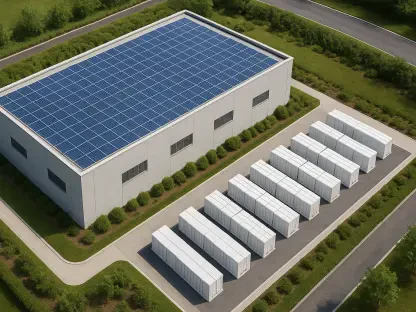
This approach naturally leads to the adoption of modular, skid-based designs that provide the flexibility needed to navigate the rapid evolution of chip technology. By packaging racks, power distribution units, and cooling manifolds into repeatable blocks of two to three megawatts, operators can scale their capacity incrementally rather than committing to a monolithic design that may become obsolete within a few years. These modular units act as self-contained ecosystems that can be easily integrated into existing shells or new builds, allowing for a rapid response to the shifting demands of the AI market. This flexibility is crucial because it permits a data center to host a mix of air-cooled legacy servers and liquid-cooled AI clusters within the same facility without requiring a complete overhaul of the mechanical plant. As chip power requirements continue to climb, these modular blocks provide a scalable pathway that minimizes capital risk while ensuring that the infrastructure remains capable of supporting the most demanding computational workloads.
Implementation: The Rise of Cold Plate Technology
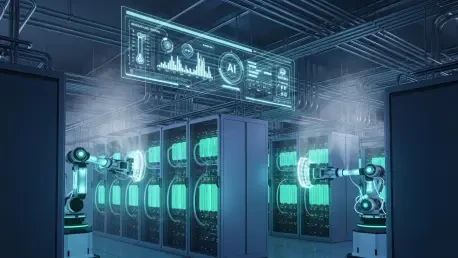
The widespread implementation of cold plate technology represents a significant milestone in the move toward more efficient thermal management strategies. These devices are mounted directly onto the central processing units and graphics processors, providing a dedicated pathway for heat to transfer from the silicon to the circulating coolant loop. By targeting the heat source directly, cold plates eliminate the need for high-speed server fans, which are not only energy-intensive but also prone to mechanical failure. This shift significantly reduces the acoustic noise levels within the data hall, creating a safer and more manageable environment for technicians. Additionally, the elimination of internal fans allows for more compact server designs, which can lead to higher overall compute density per rack. The precision offered by cold plate systems ensures that even the most powerful chips can maintain peak performance levels for extended periods without the risk of heat-induced degradation.
Moreover, the integration of these systems into the broader facility design has led to the development of dedicated coolant distribution units that manage the flow and temperature of the liquid. These units serve as the interface between the server-level cooling loop and the facility-level chilled water system, providing a layer of separation that protects the IT equipment from external contaminants. The use of quick-connect fittings and leak-detection sensors has made the maintenance of liquid-cooled systems more practical for everyday operations, reducing the perceived risk of fluid exposure near sensitive electronics. As these technologies mature, they are becoming increasingly standardized, which lowers the cost of entry for smaller operators who wish to deploy AI-ready infrastructure. This standardization is a vital component of the industry’s ability to keep pace with the exponential growth of artificial intelligence, as it allows for a more predictable and reliable deployment process across different geographic regions and facility types.
Operational Reliability and Future Trends
The Future: Ensuring Continuity and Sustainability
The shift toward liquid-cooled environments has fundamentally changed the operational risk profile of the data center, particularly regarding the loss of thermal inertia. In traditional air-cooled facilities, a mechanical failure in the cooling system would typically allow for several minutes of “buffer” time before the hardware reached critical temperatures, giving technicians a window to intervene. In contrast, high-density AI chips can reach catastrophic heat levels in mere seconds if the fluid flow is interrupted, creating a high-stakes environment where cooling reliability must match the robustness of the electrical grid. This reality has driven a surge in the integration of thermal buffering solutions, such as massive storage tanks and secondary reservoirs, which can provide immediate continuity during a disruption. These systems act as a thermal flywheel, ensuring that the cooling loop remains active even during the transition between primary power and backup generators, thereby protecting the massive investments made in AI silicon.
Looking beyond immediate reliability, the industry is moving toward a model of predictive, workload-aware cooling that integrates directly with the computational scheduler. By analyzing incoming task queues, the cooling system can anticipate upcoming computational spikes and pre-cool the fluid loops in preparation for the surge in heat. This proactive approach prevents the system from having to “play catch-up,” which is often inefficient and can lead to temporary performance dips. Furthermore, the massive amount of waste heat generated by these facilities is being reimagined as a valuable resource rather than an environmental liability. There is significant momentum behind heat reuse projects, particularly in regions where data centers are located near urban centers or agricultural operations. By funneling waste energy into district heating networks or greenhouses, operators are turning data centers into integrated components of the local energy ecosystem, effectively closing the loop on energy consumption and improving the overall sustainability profile of AI infrastructure.
Next Steps: Strategic Integration and Resource Optimization
To maintain competitiveness in the evolving AI landscape, organizations should prioritize the deployment of telemetry-rich cooling systems that offer deep visibility into the thermal health of every individual rack. It was observed in recent implementation cycles that facilities with integrated monitoring experienced significantly lower downtime during peak training phases compared to those with siloed management systems. Operators should consider transitioning to modular cooling skids that allow for the seamless integration of liquid-to-air heat exchangers, providing a hedge against the uncertainty of future chip architectures. Investing in specialized training for facility staff is also a critical requirement, as the maintenance of liquid loops and coolant distribution units demands a different skillset than traditional HVAC systems. This human element is often overlooked but is essential for the long-term operational success of high-density environments where the margin for error has narrowed significantly.
Furthermore, the industry must move toward standardized heat reuse protocols to maximize the social and environmental value of data center infrastructure. The adoption of high-temperature liquid cooling loops, which produce waste heat at more usable levels for district heating, should be evaluated during the early design phases of new builds. Collaborating with local municipalities and energy providers early in the site selection process can unlock new revenue streams and simplify the permitting process by demonstrating a commitment to circular energy principles. Ultimately, the successful data center of the coming years will be defined by its ability to function as a holistic system where compute, power, and cooling are treated as an inseparable triad. By embracing these advanced thermal management strategies and focusing on resource optimization, the industry can ensure that the infrastructure remains a robust and sustainable platform for the next generation of artificial intelligence advancements.