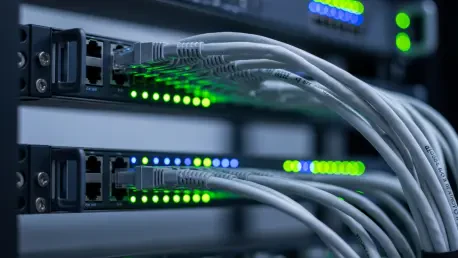

Organizations that neglect their physical infrastructure often find that even the most sophisticated software applications fail to deliver value when the underlying network backbone is unable to sustain high-speed data transfers. A modern campus environment serves as the central nervous system for operations, where thousands of IoT devices, high-definition video streams, and cloud-based collaborative tools converge simultaneously. When latency increases or connectivity drops, the resulting productivity loss translates directly into financial deficits and damaged reputations. In the current landscape of 2026, the distinction between a high-performing enterprise and a struggling one frequently comes down to the agility of their local area networks. Modern networks are no longer just utility services; they have become strategic assets that enable rapid deployment of new technologies and facilitate a seamless user experience. A robust network ensures that digital transformation remains an asset rather than a burden.
The Evolution of Connectivity Standards
AI-Native Management: The Shift From Reactive to Proactive
The transition toward AI-native networking has fundamentally changed how administrators approach system maintenance by moving from manual oversight to proactive automation. Integrated artificial intelligence algorithms monitor traffic patterns in real-time to identify anomalies before they impact the end-user experience. These systems utilize machine learning models to correlate data across the entire infrastructure, providing insights into whether a problem stems from a specific access point, a faulty cable, or a broader service provider outage. This shift allows IT departments to allocate resources toward innovation rather than constant troubleshooting.
Implementation of these intelligent systems also facilitates self-healing capabilities where the network automatically adjusts its configuration. For instance, if a high-density area experiences a sudden surge in demand, AI-driven controllers can dynamically redistribute bandwidth to maintain performance. Automation reduces the likelihood of human error, which historically accounted for a vast majority of network outages during manual configuration changes. As enterprises integrate more complex cloud-native applications, the necessity for a network that can think for itself becomes even more pronounced.
High-Density Connectivity: Balancing Capacity and Coverage
Achieving consistent high-speed wireless connectivity requires more than just installing the latest access points; it demands a comprehensive strategy for managing radio frequency environments. In large campus settings, the sheer volume of simultaneous connections can lead to significant signal degradation if not managed correctly. Modern Wi-Fi standards focus on improving spectral efficiency and reducing latency for sensitive applications like augmented reality and real-time data visualization. High-density environments require precise placement of hardware to ensure that coverage overlaps are minimized while maintaining total signal strength across the entire floor plan.
Beyond raw throughput, the reliability of a wireless network is measured by its ability to handle seamless handoffs as users move between different zones or buildings. In a modern work environment, mobility is a fundamental expectation, and any disruption during a data-intensive session is seen as a failure of the infrastructure. Advanced roaming protocols and centralized management platforms work together to ensure that devices transition between access points without dropping packets. Furthermore, the integration of multi-gigabit uplinks ensures that wireless access points are not limited by the wired connections feeding them.
Security and Sustainable Growth Strategies
Zero Trust Architecture: Securing the Perimeterless Campus
The traditional concept of a secure perimeter has effectively vanished as remote work and cloud integration have blurred the lines of the corporate network. Adopting a Zero Trust architecture is now a baseline requirement for any organization looking to protect sensitive data from increasingly sophisticated cyber threats. This approach operates on the principle of “never trust, always verify,” requiring every user and device to be authenticated regardless of their location. Within a campus environment, this means implementing micro-segmentation to isolate different types of traffic, such as guest access and IoT sensors.
Effective security at the network level also involves the use of continuous monitoring and identity-based access controls to ensure that permissions are always up to date. Automated systems can now detect behavioral deviations and immediately quarantine a suspicious device without manual intervention. This level of speed is necessary to combat automated threats that can move through a network faster than a human operator can react. Integration of security directly into the hardware provides a unified way to manage policies across both on-premises and remote connections, reducing complexity and ensuring consistency.
Strategic Infrastructure: Planning for Long-Term Vitality
Investing in campus networking requires a forward-looking perspective that balances current operational needs with the anticipated demands of emerging technologies. Scalability is not just about adding more ports; it involves designing a flexible architecture that can accommodate higher data rates without requiring a complete overhaul. From 2026 to 2028, the push for more sustainable and energy-efficient hardware will likely influence procurement decisions, as organizations seek to reduce their carbon footprints and operational costs. Utilizing modular components and software-defined networking allows for easier upgrades and more efficient management.
Financial considerations also play a crucial role in determining the long-term viability of a campus network, as the total cost of ownership extends beyond the initial purchase price. Organizations must account for ongoing maintenance, software licensing, and the energy required to power high-performance hardware. Subscription-based models and network-as-a-service offerings have become popular alternatives, providing predictable costs and regular technology refreshes. This shift toward operational expenditure allows for greater financial flexibility, enabling IT departments to respond more quickly to changing requirements.
Advancing the Digital Backbone
The most successful organizations approached their network modernization by prioritizing visibility, security, and automation as the fundamental pillars of their digital strategy. They recognized that a reactive approach to connectivity issues was no longer sustainable and instead invested in AI-driven platforms that provided deep insights into user behavior and system health. These entities moved away from siloed management tools toward unified dashboards that allowed for consistent policy enforcement across wired and wireless environments. The transition to a Zero Trust architecture provided a necessary layer of protection against evolving cyber threats, ensuring that organizational data remained secure even as the number of connected devices skyrocketed. As progress continues toward 2028, the focus shifted toward maximizing the efficiency of existing spectrum and exploring the integration of private cellular networks for specialized campus applications. Organizations that established a modular foundation were best positioned to capitalize on these advancements without experiencing significant downtime.