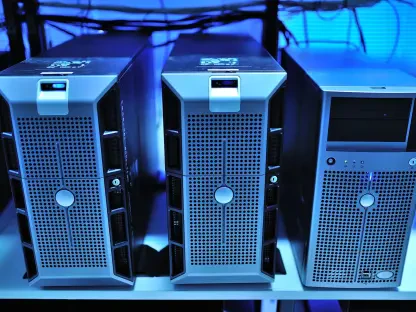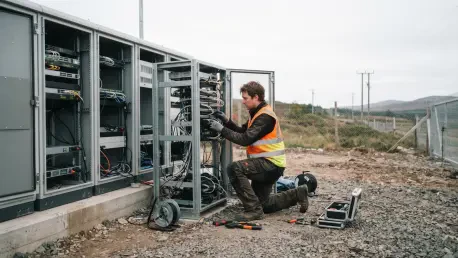

The 5G AI slice represents a strategic evolution that bundles high-speed connectivity with dedicated edge computing to capture value previously claimed by hyperscale cloud providers. This integration marks a fundamental shift in how communication service providers approach their infrastructure, moving beyond the traditional role of providing simple data pipes. By positioning high-performance GPU resources directly at the network edge, telcos are bypassing the latency constraints that have plagued centralized cloud architectures. This proximity allows for the delivery of near-instantaneous response times, which are essential for the next generation of mission-critical applications. For years, the industry struggled with stagnant growth as hyperscalers reaped the rewards of digital transformation, but the convergence of 5G and localized AI compute provides a unique opportunity to reclaim the value chain. By controlling both transport and processing, CSPs can offer deterministic performance.
Strategic Monetization Models
The pivot toward integrated AI services necessitates a complete overhaul of the foundational business framework that has defined the telecom industry for decades. As enterprises increasingly demand real-time processing capabilities, CSPs are finding that their distributed physical footprint is their most valuable asset. This shift is not merely a technical upgrade but a strategic repositioning where telcos operate as essential infrastructure layers for the AI economy. By managing the end-to-end environment—from the radio access network to the edge compute node—service providers can guarantee specific performance metrics that are impossible to achieve over the open internet. This evolution allows them to move up the value stack, shifting from a utility-based relationship with customers to a deeply integrated partnership. Consequently, the focus has shifted toward creating high-performance environments where agentic AI operations can thrive without the limitations of traditional cloud connectivity.
The Shift: From Volume to Outcomes
Transitioning away from the legacy model of selling volume-based gigabytes requires a radical reimagining of how telecommunications services are priced and delivered. Instead of focusing on raw throughput, CSPs are now positioning themselves as managed platform providers that sell tangible service outcomes. Under this paradigm, revenue is generated through a sophisticated mix of GPU compute cycles, token usage, and specific API calls tailored to enterprise needs. This approach allows telcos to capture value based on the actual utility of the AI operations they support, rather than just the amount of data traversing the network. It creates a more resilient financial structure that scales with the complexity of a client’s workloads. Furthermore, by offering integrated bundles that include both low-latency connectivity and the necessary compute power, service providers can justify premium pricing models that reflect the mission-critical nature of the services provided.
Modernizing Infrastructure: Agile Billing
Technological advancements in network slicing and edge computing will only translate into sustainable profit if they are supported by a modernized Business Support System. Legacy billing frameworks, which were originally designed for simple voice and data plans, lack the granularity required to track the complex metrics associated with AI-driven services. To bridge this gap, CSPs must implement agile BSS solutions capable of processing real-time data on GPU utilization, latency performance, and specialized API calls. This modernization allows commercial teams to launch new, SLA-driven offers in hours rather than months, providing the flexibility needed to stay competitive in a rapidly evolving market. An agile BSS also enables the creation of dynamic pricing models that can adjust based on network demand or the specific priority of a task. Without this infrastructure, telcos will find themselves unable to effectively monetize the technologies they have invested in so heavily.
Operational Execution and Assurance
Realizing the full potential of these advanced network segments requires a level of operational excellence that exceeds traditional manual management capabilities. The complexity of orchestrating thousands of dynamic slices across a distributed edge requires the implementation of autonomous systems that can manage themselves with minimal human oversight. These systems must be capable of self-healing and continuous optimization to ensure that the rigorous demands of enterprise AI applications are met at all times. This operational shift focuses on maintaining the high level of trust required for B2B services, where any deviation from the promised performance can result in significant financial loss for the client. By embedding intelligence into the core of network operations, service providers can ensure that resources are allocated efficiently and that the infrastructure remains resilient in the face of fluctuating demand or hardware failures. This foundation of reliability is what makes the 5G AI slice a viable product.
Automation: The Role of Intent Probing
Ensuring the commercial viability of 5G AI slicing depends heavily on the use of AI-assisted intent probing, which allows the system to verify network feasibility before a contract is finalized. Using standard interfaces like the TM Forum Intent Management Open API, sales platforms can submit detailed requests to the orchestration layer to check if the network can realistically support a specific Service Level Agreement. This process involves cross-referencing the request against real-time network capacity, historical traffic patterns, and scheduled maintenance activities. By automating this validation step, CSPs can avoid the risk of over-provisioning or failing to meet performance guarantees, which would otherwise lead to costly penalties and reputational damage. This proactive approach ensures that every slice sold is backed by a verifiable promise of performance, establishing a high degree of confidence between the service provider and the enterprise client who relies on the network for their core AI tasks.
Case Study: Immersive Fan Experiences
The practical utility of these systems was clearly demonstrated in high-stakes environments like the F1 Grand Prix, where edge-based AI slicing enabled seamless augmented reality experiences for thousands of spectators. By processing vast amounts of sensor data and multi-camera feeds at the network edge, the system delivered overlays and commentary with zero perceptible lag. This successful implementation proved that the distributed physical infrastructure of telcos was their ultimate competitive advantage over centralized cloud giants. As the technology matured, the adoption of agile billing and autonomous assurance protocols allowed service providers to move from being simple connectivity vendors to becoming the backbone of the global AI economy. The physics of light remained a constant constraint, but the way compute resources were positioned defined the financial success of the industry. These advancements ensured that the infrastructure met the needs of the time, resulting in a sustainable and profitable ecosystem for all stakeholders involved.