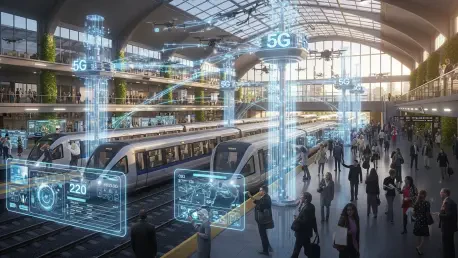

The daily migration of hundreds of thousands of commuters through Toronto’s Union Station has long served as the rhythmic heartbeat of Ontario’s transit network, yet the silent struggle for a reliable signal in its cavernous limestone halls often frustrated the modern digital worker. In a world where productivity is no longer tethered to a static office desk, the absence of high-speed data during a transit transfer felt like a relic of a previous era. The recent deployment of comprehensive 5G infrastructure throughout this historic site has finally bridged that gap, ensuring that the transition between the office and the train is no longer a dead zone for critical communication. By integrating high-frequency spectrum technology into the very bedrock of the terminal, engineers have managed to bypass the physical limitations of thick concrete and underground depths that historically blocked standard cellular waves from reaching passengers during their daily journeys.
Modern Services: Digital Experience
Mobile Workflows: High-Bandwidth Tools
With the activation of robust 5G nodes, passengers are no longer limited to basic text messaging while navigating the expansive terminal floors or waiting for their scheduled departures. The arrival of gigabit speeds allows for the seamless execution of high-bandwidth tasks, such as participating in crystal-clear video conferences or uploading large architectural files, which were previously impossible in high-traffic transit environments. This shift has fundamentally altered the utility of the station, transforming it from a mere passage point into a functional extension of the modern workspace. Transit users now benefit from a consistent connection that remains stable even as they move between the historic Great Hall and the modern glass-enclosed concourses. The density of the network ensures that thousands of simultaneous users do not degrade the experience, providing a level of reliability that matches the expectations of a global financial hub.
Station Navigation: Real-Time Data
Beyond individual productivity, the implementation of 5G has revolutionized how commuters interact with the station’s complex physical layout and scheduled services. New digital wayfinding tools utilize the low latency of the network to provide precise, turn-by-turn navigation through the maze of tunnels and platforms, significantly reducing the stress of navigating North America’s busiest transit hub. Real-time data feeds now transmit instant updates regarding train delays, platform changes, and crowd density directly to passenger devices, allowing for more informed decision-making during peak travel periods. This technological layer acts as a digital concierge, smoothing out the friction points that often occur during unexpected service disruptions or large-scale public events. By leveraging the speed of 5G, Metrolinx can now push high-resolution alerts and interactive maps to thousands of devices simultaneously without the lag commonly seen in older wireless systems.
Technical Infrastructure: Safety and Design
Safety Systems: Infrastructure Integration
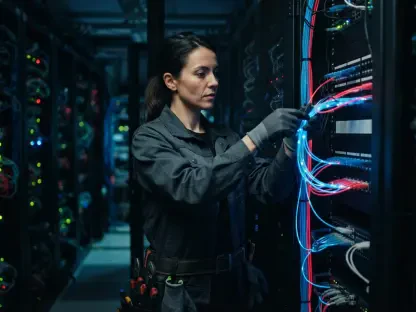
The technological transformation extends deep into the operational core of the station, where 5G connectivity now supports a sophisticated web of security cameras and environmental sensors. These devices transmit high-definition video streams in real-time to central command centers, allowing for faster response times to safety incidents or medical emergencies. Dedicated network slicing ensures that emergency services and transit personnel have a prioritized lane of communication that remains functional even during periods of extreme network congestion. This level of redundancy is critical for maintaining public order and safety in a facility that manages millions of passengers annually. Additionally, IoT sensors embedded in the station’s infrastructure now monitor everything from escalator performance to air quality, providing maintenance teams with the predictive data needed to address issues before they result in service interruptions or safety hazards.
Future Growth: Regional Network Expansion
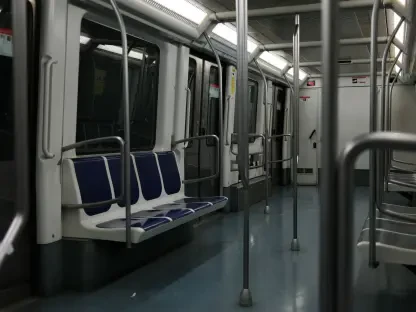
The successful integration of 5G within Toronto’s primary transit hub established a new benchmark for how digital connectivity and physical infrastructure must coexist in the modern era. Authorities recognized that the completion of this project was merely the first phase in a broader strategy to connect the entire regional rail corridor. From 2026 to 2028, the focus shifted toward expanding this high-speed umbrella to the dark zones of the subway tunnels and the expansive suburban rail lines, ensuring a truly uninterrupted experience for every traveler. These advancements provided the necessary groundwork for future autonomous transit operations and enhanced AI-driven passenger management systems. As the project concluded its initial rollout, the results demonstrated that reliable connectivity was no longer a luxury but an essential utility for urban mobility. Stakeholders prioritized continued investment in network density to meet the growing data demands.