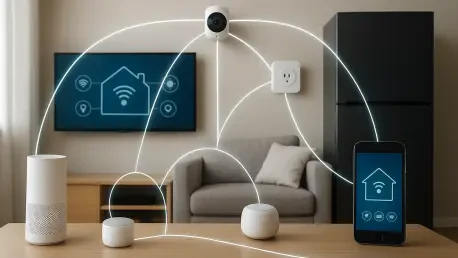

Transparent data policies are increasingly necessary to maintain public trust as personal information is constantly transmitted through smart devices. This requirement stems from the fact that sensors are now embedded in everything from municipal waste bins to wearable medical monitors, capturing a granular stream of human activity. The sheer scale of device interconnection has reached a point where the physical and digital realms are effectively inseparable, creating a seamless overlay of data on everyday life. While the convenience of automated environments is undeniable, the underlying architecture must prioritize security to prevent systemic vulnerabilities. As urban centers become more reliant on these networks, the focus shifts toward creating resilient frameworks that can handle the massive influx of telemetry data. This transition is not merely about adding connectivity to existing objects but involves rethinking the fundamental way that people interact with their surroundings. Every interaction now generates a digital footprint that influences how services are delivered and managed in real time.
Advancements in Urban Management and Resource Efficiency
Optimization of Public Infrastructure
Smart city initiatives have moved beyond pilot programs into full-scale implementations that significantly reduce the environmental footprint of metropolitan areas. By deploying high-density sensor networks, city planners are now able to monitor air quality, noise levels, and traffic flow with unprecedented accuracy. These systems use real-time analytics to adjust traffic signal timings, which helps in mitigating congestion and lowering carbon emissions from idling vehicles. Furthermore, intelligent street lighting systems now dim automatically when no pedestrians or vehicles are present, leading to substantial energy savings for municipal budgets. The integration of these technologies allows for a more responsive urban environment that adapts to the needs of its inhabitants in real time. Beyond efficiency, these advancements contribute to public safety by identifying anomalies, such as localized flooding or structural stresses in bridges, before they escalate into major crises. This proactive approach to maintenance ensures that infrastructure remains reliable while extending its operational lifespan through data-driven oversight.
Revolutionizing Waste and Water Systems
The management of critical resources like water and waste has undergone a radical transformation through the application of Narrowband IoT and other low-power wide-area networks. Utility companies are now deploying smart meters that detect micro-leaks in residential and commercial plumbing, preventing the loss of millions of gallons of treated water. In the waste management sector, bins equipped with ultrasonic level sensors transmit data to central dispatchers, ensuring that collection routes are only executed when containers are full. This optimization reduces the fuel consumption of heavy machinery and minimizes the presence of overflowing waste in public spaces. Moreover, the data collected from these sensors provides long-term insights into consumption patterns, allowing for better-informed decisions regarding future infrastructure investments. These systems operate with minimal human intervention, relying on automated alerts to trigger maintenance or collection tasks. By streamlining these essential services, municipalities can redirect resources toward other public needs while maintaining a high standard of living for their growing populations.
Enhancing Industrial and Personal Health Outcomes
The widespread adoption of connected technologies facilitated a significant shift in how both industrial operations and personal health were managed. In manufacturing environments, the implementation of predictive maintenance sensors allowed facilities to identify equipment failures before they occurred, which effectively eliminated unplanned downtime. Meanwhile, the healthcare sector benefited from continuous remote monitoring devices that provided clinicians with a steady stream of patient vitals. This move toward proactive care reduced the burden on emergency rooms and enabled more personalized treatment plans based on longitudinal data. Organizations prioritized the deployment of edge computing to process data closer to the source, reducing latency and bandwidth costs. Security teams implemented zero-trust architectures to safeguard interconnected nodes against increasingly sophisticated cyber threats. Ultimately, these steps ensured that the digital ecosystem remained resilient, paving the way for more autonomous and intelligent resource management strategies that prioritized both privacy and operational precision.