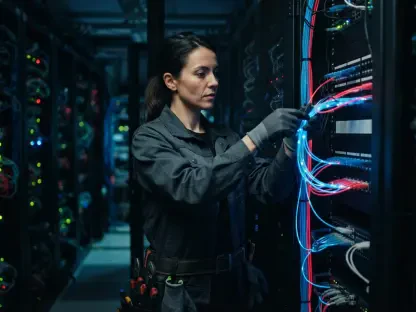

Utah is currently confronting significant regulatory gaps in noise and thermal emissions oversight as massive data center developments begin to transform the state’s rural landscape. As these high-density computing hubs proliferate across the Silicon Slopes and beyond into traditionally agricultural zones, local municipalities found themselves unprepared for the unique environmental footprints these structures generate. Unlike traditional manufacturing, data centers operate twenty-four hours a day, creating a constant demand for cooling that translates into a steady acoustic output and a significant thermal signature. State officials have recently recognized that existing industrial noise ordinances, often written for daytime operations, fail to address the low-frequency vibrations that carry across open basins at night. This regulatory void created friction between tech giants seeking expansion and residents concerned about their quality of life. To bridge this divide, a new wave of localized standards began emerging to balance economic growth with environmental preservation.
Addressing the Persistent Hum of Mechanical Cooling Systems
The constant mechanical drone from massive HVAC units and backup generators has become a primary point of contention for communities in Utah County. Low-frequency noise, which travels further and penetrates residential structures more effectively than high-frequency sounds, remains largely unaddressed by antiquated decibel measuring techniques. Standard A-weighted decibel scales often fail to capture the physiological impact of the bass-heavy hum produced by large-scale liquid-to-air heat exchangers. Consequently, noise abatement strategies are now being integrated directly into the permitting process, requiring developers to submit comprehensive acoustic modeling reports before breaking ground. These reports must account for seasonal atmospheric conditions that can amplify sound across Utah’s unique topographical features. By establishing specific limits for C-weighted decibels, regulators aimed to protect the acoustic environment without stifling the necessary mechanical operations of the facilities.
Technological interventions have moved from optional suggestions to mandatory design features in recent site plan approvals. The implementation of sound-dampening louvers, strategically positioned acoustic walls, and the transition toward submerged liquid cooling are becoming standard industry practices within the state. Submerged cooling, in particular, significantly reduces the reliance on noisy external fan arrays while simultaneously improving server density and efficiency. Furthermore, zoning boards started requiring larger setbacks between data center property lines and residential zones to provide a natural buffer for sound dissipation. These structural adjustments are often paired with real-time noise monitoring systems that transmit data directly to municipal oversight boards, ensuring ongoing compliance rather than a one-time check during initial construction. This shift toward proactive engineering solutions reflects a growing consensus that the long-term viability of the tech sector depends on its ability to remain a silent neighbor.
Managing Thermal Plumes and Strengthening State Frameworks
Beyond the audible impact, the sheer volume of heat rejected by high-performance computing clusters presents a new meteorological challenge for the region. As data centers consume hundreds of megawatts, the resulting thermal plumes can influence localized microclimates, potentially exacerbating the urban heat island effect in desert environments. Traditional air-cooling methods vent massive quantities of hot air directly into the atmosphere, which can affect local airflow patterns and increase the cooling burden on adjacent buildings. State environmental agencies have begun evaluating whether these concentrated heat sources require specific thermal discharge permits similar to those used for industrial water runoff. The focus has shifted toward understanding how these emissions interact with Utah’s frequent atmospheric inversions, which can trap pollutants and heat near the valley floor. Quantifying the cumulative thermal impact of multiple facilities clustered in a single tech corridor is essential for long-term climate resiliency.
To resolve the lingering tensions between industrial expansion and public welfare, stakeholders established a multi-agency task force that prioritized transparency and data-driven policy. This group successfully implemented mandatory quarterly audits of noise and thermal output, which provided the empirical evidence needed to refine local zoning codes. Communities that adopted these comprehensive standards saw a marked decrease in noise complaints and a more harmonious relationship with corporate neighbors. Legislative bodies moved toward the deployment of modular cooling technologies that could be adjusted based on real-time environmental conditions. Regional planners incorporated specific density caps on thermal output per acre to prevent the formation of artificial heat corridors. These actionable steps proved that rigorous oversight and technological innovation could coexist, allowing the state to maintain its status as a premier tech hub while safeguarding its natural heritage. Consistent enforcement was the key.