
Self-attention mechanisms in computer vision typically scale quadratically, making them too expensive for real-time deployment on street-sweeping equipment. This technological bottleneck has long prevented municipalities from fully automating the identification of debris in sprawling urban
Input-output interference acts as a significant bottleneck in virtualized systems when several virtual machines attempt to access disk or network channels at once. This challenge is magnified when trying to migrate complex computing tasks from stable ground-based facilities to the dynamic,
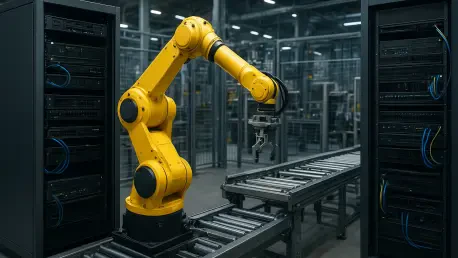
In the high-speed corridors of a modern fulfillment center, a five-ton autonomous mobile robot carrying a heavy pallet of consumer electronics suddenly grinds to a halt because it missed a single millisecond of data, effectively turning a marvel of engineering into a massive, immovable paperweight.

WCOA effectively slashes operational costs by up to 70 percent, allowing edge servers to support a significantly higher density of simultaneous users. This breakthrough arrives at a critical juncture as the digital landscape undergoes a fundamental transformation driven by the explosive
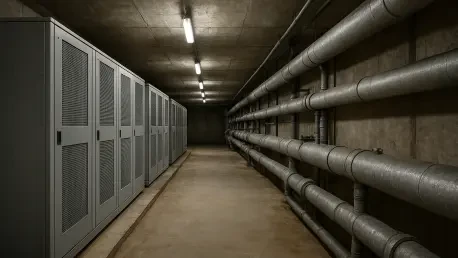
Researchers are exploring the potential of repurposing 141,000 abandoned oil and gas wells across the United States to function as ready-made thermal storage units. This endeavor seeks to solve a fundamental inefficiency in the digital economy: the massive discharge of thermal energy from data
The successful integration of Modular’s technology will likely determine Qualcomm’s ability to compete in the enterprise AI sector for the next decade. By finaling a definitive agreement to acquire the AI software startup, the San Diego-based semiconductor giant has signaled a dramatic evolution in