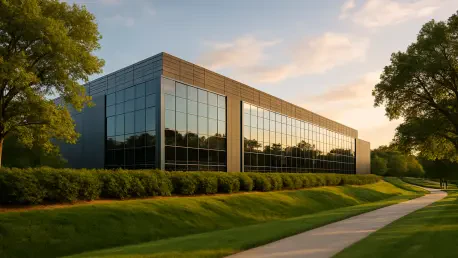

Learning from the experiences of other states, Wixom officials are prioritizing the mitigation of air quality concerns and low-frequency noise associated with massive server operations. As Michigan becomes a primary destination for digital infrastructure, the local government has worked to integrate hyperscale data centers into a landscape that blends residential areas with industrial zones. The central challenge involves the massive scale of these facilities, which require significant power and constant cooling, creating potential friction with neighbors. By analyzing hurdles seen in Virginia and Arizona, Wixom updated its codes to ensure that new developments do not compromise public health or acoustic comfort. This sophisticated approach to urban planning ensures the benefits of a broadened tax base are balanced against long-term livability. The city remains focused on establishing a sustainable model where technological growth and resident well-being can coexist effectively.
Engineering Standards
Acoustic Design
The persistent hum of large cooling fans presents a major technical hurdle, as low-frequency noise often penetrates residential structures. To address this, Wixom now mandates advanced acoustic shielding and specific building orientations that direct sound away from sensitive areas. Engineers are increasingly utilizing liquid immersion cooling, which reduces reliance on noisy external chillers. These systems submerge servers in dielectric fluid, absorbing heat more efficiently and quietly than traditional air-cooled methods. Furthermore, the city has implemented strict decibel limits at property boundaries, requiring continuous monitoring for compliance. By demanding that developers submit comprehensive noise impact studies before construction, the municipality ensures that the quietude of local neighborhoods is preserved while allowing infrastructure expansion. This proactive stance prevents the common pitfalls of reactive noise mitigation, which often proves both costly and less effective for residents.
Air Quality
Air quality remains a critical focus, particularly regarding the backup diesel generators necessary for maintaining uptime during grid outages. These units can emit nitrogen oxides and particulate matter, posing risks to nearby populations if not properly managed. Wixom has responded by requiring Tier 4 engines, which utilize advanced after-treatment technologies to significantly reduce harmful emissions. Additionally, there is a growing push toward hydrogen fuel cells and large-scale battery storage as cleaner alternatives to traditional combustion engines. The city council has encouraged developers to explore these greener technologies through expedited permitting processes for projects that exceed baseline environmental standards. Monitoring stations are often required at the perimeter of data center campuses to provide real-time data to both the city and the public. Such transparency builds trust within the community, ensuring that the industrial presence does not degrade the local atmospheric environment.
Strategic Planning
Zoning Policy
Integrating massive data centers into the existing urban fabric requires precise zoning laws that go beyond traditional industrial classifications. Wixom has refined its land-use policies to designate specific buffer zones between tech campuses and residential sectors, utilizing natural landscaping and specialized setbacks. These buffers serve a dual purpose by providing visual screening and additional sound dampening through the use of berms and dense vegetation. Infrastructure capacity is also a primary concern, as these facilities place high demands on the electrical grid and water supplies. To mitigate this, the city works closely with utility providers to ensure that data center growth does not lead to increased costs or reduced reliability for residential consumers. Developers are often required to contribute to grid upgrades, ensuring that the burden of industrial expansion does not fall on the taxpayers. This collaborative model creates a pathway for modern growth that supports both private investment and public utility.
Future Goals
The evolution of the local tech sector demonstrated that clear communication and rigorous standards were essential for successful urban integration. Officials established a framework that prioritized the health of the community while welcoming the economic advantages of the digital age. This strategy included regular public forums where residents reviewed environmental data and project timelines, fostering a sense of shared progress. By the time the newest facilities became operational, the city had already secured commitments for renewable energy offsets and community benefit agreements. These agreements ensured that a portion of the tax revenue directly funded local schools and public parks, creating a tangible link between industrial growth and quality of life. The municipal leadership recommended that future projects continue to adopt emerging technologies like waste-heat recovery. This approach proved that with careful oversight, industrial innovation effectively served the needs of the entire population.