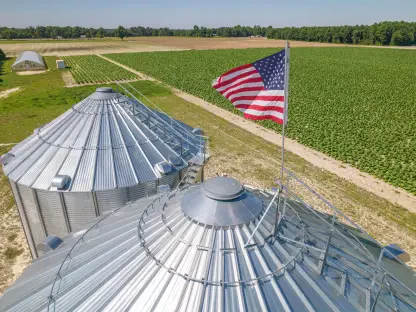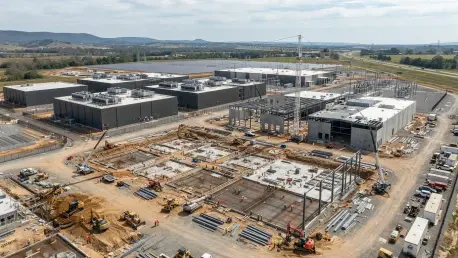

The decisive rejection of the rezoning applications underscores a national trend of rural communities resisting the physical expansion of digital cloud infrastructure. In late October 2026, the DeSoto County Board of Commissioners effectively dismantled a massive industrial vision that sought to turn hundreds of acres of agricultural land into a high-density tech corridor. This moment represented a culmination of months of friction where the global race for artificial intelligence hardware met the localized resistance of a community wary of rapid industrialization. The clash was not merely a dispute over zoning codes but a fundamental debate over the soul of the region, weighing the immediate fiscal benefits of hyperscale data centers against the irreversible loss of rural character. As technological firms look toward rural landscapes for their vast energy and space requirements, the events in DeSoto County serve as a stark reminder that digital growth is not an inevitability, but a choice that requires deep community alignment. The rejection highlights the evolving power of local governance to dictate the terms of progress, ensuring that economic shifts do not come at the expense of environmental stability or the heritage of the long-term residents who live there.
A Rapid Sequence of Legislative Setbacks
The regulatory downfall of the DCIP Group’s proposal occurred with a speed that caught many industry observers by surprise, unfolding over a critical forty-eight-hour window in late October. On a Tuesday evening, the commission delivered its first blow by denying a rezoning request for a 238-acre parcel, only to follow up the next night with a rejection of a much larger 554-acre expansion. These back-to-back decisions effectively neutralized a plan that would have seen the construction of more than fifteen separate data center facilities, totaling millions of square feet of industrial floor space. The sheer scale of the project, which evolved from a modest initial proposal into a sprawling hyperscale ambition, prompted the county to implement a one-year moratorium on all new data center applications. This strategic pause was designed to give local planners the necessary time to draft specific regulations for an industry that had previously been absent from the county’s developmental roadmap. The moratorium signaled that the county would no longer be reactive to developer requests but would instead take a proactive stance in defining the standards for any future high-tech industrial activity within its borders.
This series of rejections stands in sharp contrast to the early successes the project enjoyed during the first quarter of 2026, when the commission approved a 34-acre rezoning for a decommissioned power plant site. At that stage, the project seemed like a sensible redevelopment of an existing industrial footprint, yet the developer’s subsequent move to acquire and rezone nearly 800 additional acres of greenfield land triggered a massive wave of public skepticism. As the map of the proposed data center campus grew to include agricultural zones and areas near established residential neighborhoods, the community’s comfort with the technology began to erode. The local government recognized that the existing land-use categories were never intended to accommodate the unique physical requirements of hyperscale infrastructure, such as the massive cooling systems and energy generation plants needed for AI training. By standing firm against these expansive rezoning requests, the commission demonstrated a commitment to its existing growth plan, which emphasizes the preservation of the city of Arcadia’s surrounding rural belt rather than allowing industrial sprawl to permeate the landscape without a clear, long-term regulatory framework.
Economic Modernization: The Clash of Vision and Reality
Throughout the public hearings, proponents of the DCIP Group’s vision, led by CEO Jon Brown, emphasized the transformative potential of the project for the county’s fiscal health. They argued that the introduction of a high-value industrial sector would provide a reliable and significant influx of tax revenue, allowing the rural county to modernize its public services and infrastructure without increasing the burden on individual taxpayers. To solve the problem of energy consumption, which is often a deal-breaker for large-scale data centers, the developer proposed an innovative off-grid power solution. This plan involved the use of natural gas turbines to generate the massive amounts of electricity required by the hardware running advanced artificial intelligence models, thereby avoiding any strain on the local residential power grid. Supporters on the commission, such as J.C. Deriso, maintained that the county possessed the regulatory tools to oversee the project and make it right, suggesting that the long-term economic gains were worth the complexity of the industrial transition.
However, this vision of economic prosperity was consistently undermined by a lack of operational transparency that deeply concerned the county’s professional planning staff. Planning Director Misty Servia presented a report that highlighted numerous gaps in the developer’s application, specifically regarding the environmental and logistical details of the massive complex. The planning department expressed serious reservations about the absence of a detailed wastewater management strategy, as large-scale data centers often produce significant amounts of liquid waste from their cooling systems. Furthermore, the DCIP Group failed to clarify whether loud and potentially polluting diesel generators would be used as emergency backup power, a common feature in the industry that can have a detrimental impact on local air quality and noise levels. Because the developer could not provide granular specifics on these critical operational aspects, the planning staff concluded that they could not guarantee the project’s compliance with future land-use standards. This lack of clarity ultimately led to a recommendation of denial, as the commission refused to gamble on an industrial project with such a high degree of operational ambiguity.
Community Identity: Protecting Rural Character and Resources
The pushback from the public was perhaps the most decisive factor in the commission’s final vote, with residents articulating a deep-seated distrust of the sudden industrialization of their community. During hours of public testimony, citizens voiced a profound concern for the rural character of DeSoto County, a term that encompasses not just the landscape but the quiet, agricultural lifestyle that residents have cultivated for generations. For many, the prospect of living in the shadow of a massive industrial tech hub—complete with the constant hum of cooling fans and gas-powered turbines—was an unacceptable trade-off for any amount of tax revenue. The testimony of residents like Stacy Yoder resonated with the board, as she highlighted the cultural resistance to the project, suggesting that the primary duty of the local government should be to protect the current residents’ way of life rather than courting high-tech firms that have little connection to the local community. This sentiment created a powerful political environment where the commissioners had to choose between the abstract promises of a developer and the tangible, emotional pleas of their own constituents.
Environmental risks, particularly those concerning water and noise, dominated the technical discussions during the hearings and fueled the community’s opposition. Residents like Tim Ritchie expressed pointed fears regarding the regional water supply and its ability to sustain the massive cooling needs of nine or more hyperscale facilities. In a state where water management is a critical and often contentious issue, the developer’s lack of a clear, sustainable water sourcing and treatment plan became a major point of vulnerability. Furthermore, the persistent noise pollution generated by the industrial-scale cooling equipment and natural gas turbines was viewed as a threat to the local ecosystem and the tranquility of nearby homes. While the DCIP Group offered verbal assurances that they would implement noise mitigation measures, the lack of enforceable, specific limits in the initial proposal meant that the county had no legal guarantee of protection. For the majority of the commission, the potential for environmental degradation and the permanent alteration of the local water table presented a risk that far outweighed the projected economic benefits, leading to a firm consensus that the project was not in the county’s best interest.
The Path Ahead: Strategic Implications for Future Development
The debate over the DCIP Group’s expansion reflected a broader national challenge where the physical infrastructure of the digital economy meets the geographic reality of rural areas. Commissioners Jerod Gross and Judy Schaefer, who voted against the project, did not express an inherent hostility toward the data center industry but rather emphasized the importance of place and pace. They argued that while technological advancement is necessary, hyperscale industrial operations must be situated in locations where the infrastructure is already robust and where the surrounding land use is compatible with high-density industrial activity. The commissioners’ decision was a rejection of the idea that rural land should be treated as a blank slate for the tech industry’s expansion. Instead, they signaled that the county would prioritize its established growth plan and the preservation of its agricultural base. This stance forced a realization that for the digital cloud to grow sustainably, developers must engage more deeply with local regulations and provide a level of transparency that matches the massive scale of their physical ambitions.
Ultimately, the DeSoto County Commission chose to prioritize long-term community stability and environmental stewardship over the immediate allure of a high-tech tax windfall. This decision provided a clear lesson for both local governments and technology developers regarding the necessity of modernizing zoning laws and industrial standards before entertaining large-scale infrastructure projects. Moving forward, the county’s implementation of a moratorium served as a vital tool for establishing enforceable regulations on noise, water usage, and energy generation that will govern any future tech-related applications. For developers, the rejection underscored that the rural character of a region is a protected asset that cannot be easily traded for economic modernization without a transparent and mutually beneficial plan. By standing their ground, the officials in DeSoto County ensured that future industrial growth would be measured and aligned with the values of the people it serves. The conclusion of this chapter in the county’s history left the agricultural landscape intact, while simultaneously setting a high bar for how the digital world must integrate with the physical one.