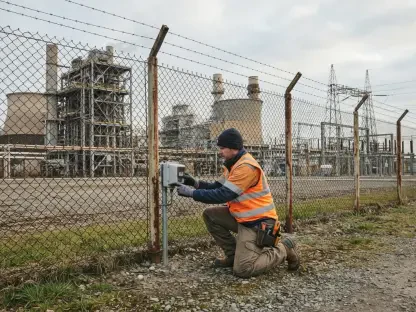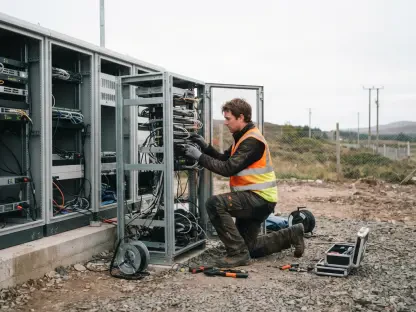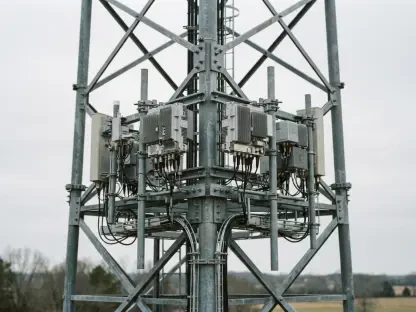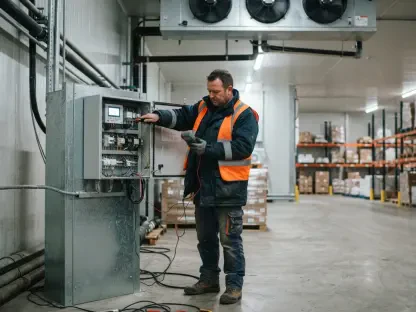

Data centers in Ireland now consume nearly a quarter of the nation’s total electricity, leading to soaring consumer costs and frequent emergency grid alerts that serve as a warning for the rest of Europe. This staggering figure highlights a growing chasm between the European Union’s legislative dreams and its physical capacity to sustain them. While policymakers in Brussels celebrate the implementation of the AI Act as a global gold standard for ethics, the engineers tasked with powering these systems face a more harrowing reality. The continent is currently caught in a paradox where technological sovereignty—the ability to host and manage critical data within its own borders—is being throttled by an aging and overtaxed energy infrastructure. This struggle is no longer just a technical debate among utility experts; it has become a central economic challenge that threatens to undermine the bloc’s competitive edge against global rivals. The rush to deploy large language models is hitting a wall of copper and transformers that simply cannot keep up with demand.
Bridging the Gap Between Policy and Power
The European Commission’s Tech Sovereignty Package represents a bold attempt to triple the bloc’s data center capacity by the end of the decade, yet it often ignores the fundamental physics of the grid. Modern AI workloads require a standard of reliability known as “five-nines,” meaning systems must remain operational 99.999 percent of the time to avoid catastrophic data loss or service interruption. Achieving this level of uptime was difficult enough during the era of stable energy, but the current transition toward intermittent renewable sources like wind and solar adds a layer of extreme complexity. While these green initiatives are essential for climate goals, they do not inherently provide the steady, baseload power that massive server farms demand. Consequently, the energy appetite of the digital sector is transforming from a utility requirement into a major socioeconomic friction point that risks alienating the general public as household costs rise to subsidize industrial growth.
This friction is exacerbated by the fact that many of Europe’s regional grids were designed for a twentieth-century industrial model, not the localized, high-density energy spikes typical of hyperscale data centers. As the bloc moves away from cheap natural gas imports, the vulnerability of these legacy systems becomes increasingly apparent. In several major metropolitan hubs, utility providers have already signaled that new connection requests may be deferred for years, effectively stalling the very digital transformation that leaders have prioritized. The mismatch between political timelines and infrastructure lead times is creating a bottleneck that affects everything from regional startup growth to the digital transformation of government services. To address this, the European Union must find a way to incentivize massive private investment in grid hardening while ensuring that the cost of these upgrades does not fall disproportionately on residential consumers who are already facing economic pressure.
Overcoming Public Backlash and Planning Restrictions
Unlike the vast, sparsely populated regions of North America where tech giants can build massive facilities far from urban centers, Europe’s high population density creates a zero-sum game for resources. Every new hyperscale project must compete directly with local residents, agriculture, and existing heavy industry for land, water, and electricity. This intense competition has sparked a significant regulatory and social backlash, resulting in the blockage or restriction of over 70 data center projects across the continent by early 2026. These stalled developments represent a loss of approximately 42 billion dollars in potential investment, a blow to the European tech sector’s growth trajectory. Local opposition groups are increasingly sophisticated, often citing the immense water consumption required for cooling servers or the visual impact on protected landscapes as primary reasons for their resistance to new construction projects near their homes and historical sites.
In response to these mounting pressures, several nations have implemented emergency legislation to protect their utility systems from potential collapse. Scotland has recently halted planning approvals for hyperscale hubs to prevent the kind of grid instability that has plagued Ireland in recent years. Similarly, Denmark has introduced new measures that deprioritize data center applications in grid-connection queues, favoring residential and essential industrial services instead. These policy shifts reflect a broader trend where national governments are forced to choose between supporting digital growth and ensuring the basic stability of their local infrastructure. The consequences are visible in Finland, where multibillion-dollar projects have been paused due to environmental permitting failures and public outcry over resource allocation. For the tech industry, this means the era of easy expansion is over, replaced by a complex landscape of local negotiation and stricter compliance.
Implementing Circularity Through Engineering Pragmatism
To win over skeptical local communities and improve environmental standing, data centers are evolving from resource-draining warehouses into regional anchors through innovative circularity initiatives. The core of this strategy involves waste heat recovery, where the massive amounts of thermal energy generated by cooling server racks are captured and repurposed for local use. Successful pilots in Finland and Sweden demonstrate the viability of this approach, with some facilities providing up to 80 percent of the annual heat demand for neighboring towns through municipal district heating networks. In Sweden, the EcoDataCenter project has even integrated its operations with a nearby wood-pellet factory, using excess heat to dry biomass. This symbiotic relationship between the IT sector and traditional manufacturing creates a localized industrial ecosystem that maximizes resource efficiency. Such projects demonstrate that data centers can be active participants in the regional economy.
Ultimately, the path to European technological independence depends on engineering pragmatism rather than just legislative will or political grandstanding. The primary bottlenecks remained the physical limitations of the power grid and the failure of existing funding models to bridge the gap between digital ambition and infrastructure reality. While the AI Act provided a legal framework for ethical development, it did not solve the fundamental problem of how to power the millions of processors required for advanced computing. Success required the European Union to move beyond abstract geopolitical goals and focus on the practical details of utility integration and grid hardening. This shift in focus was necessary to ensure that the bloc did not fall permanently behind global competitors who had fewer constraints on their expansion. The focus remained on building a resilient and sustainable foundation that could support high energy demands without compromising the stability of essential services.