


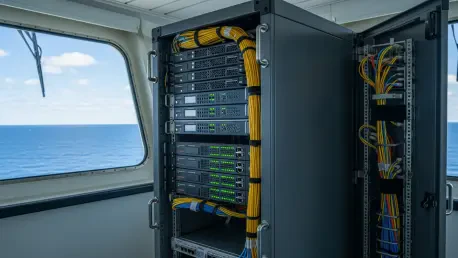

Modern vessels have evolved into highly complex mobile data hubs requiring constant synchronization with terrestrial management systems to uphold operational reliability and safety. This digital transformation shifted the maritime industry from a state of sporadic communication to one of permanent connectivity, effectively blurring the lines between shore-based offices and remote fleet operations. As shipping companies integrate high-capacity satellite links, they inevitably expand their digital footprint, creating new entry points for sophisticated cyber threats that target both navigational systems and logistical data. The reliance on continuous data streams facilitates real-time route optimization and fuel efficiency monitoring, yet it also exposes the inherent weaknesses of traditional maritime security models. By adopting managed connectivity, ship owners now seek to create a resilient bridge between performance and protection. This approach ensures that the advantages of digitalization are not undermined by the growing frequency of ransomware and disruptive data breaches across the globe.
The Shift Toward Integrated Network Architectures
Connectivity Trends: High-Speed Satellite Integration
The rapid proliferation of Low Earth Orbit satellite constellations significantly altered the landscape of maritime communications by providing high-speed, low-latency access in the middle of the ocean. Unlike traditional Geostationary Orbit satellites, these new networks allow for massive data transfers that support real-time video conferencing, remote machinery diagnostics, and complex cloud-based inventory management. This surge in bandwidth capacity transformed the crew welfare experience, allowing sailors to maintain closer contact with their families, which is vital for mental health and retention in a demanding industry. However, the introduction of Starlink and Eutelsat OneWeb hardware onto commercial vessels necessitates a more rigorous approach to network segmentation. Managed service providers now play a critical role in configuring these high-speed links to ensure that public internet access for the crew remains strictly isolated from critical operational technology networks to prevent any accidental breaches.
Network Security: Securing Remote Vessel Nodes
Connectivity at this scale demands a shift in how maritime enterprises perceive the perimeter of their corporate networks, as every ship now functions as a remote node. Security teams can no longer rely on physical isolation, or air-gapping, as a primary defense mechanism because modern engine sensors and bridge equipment require frequent software updates via the internet. This permanent link necessitates the deployment of automated threat detection systems that can identify unusual traffic patterns without requiring manual intervention from the crew. Managed connectivity solutions address this by embedding security protocols directly into the communication hardware, ensuring that data is encrypted from the moment it leaves the vessel until it reaches the terrestrial data center. This seamless integration of security and transport allows shipping companies to scale their digital operations across hundreds of vessels while maintaining a centralized overview of the entire fleet’s security posture and health.
Operationalizing Security Through Managed Services
Standard Protocols: Unified Threat Management
Unified Threat Management systems have emerged in 2026 as a cornerstone of maritime cyber resilience by consolidating multiple security functions into a single, manageable platform on the vessel. These systems typically integrate high-performance firewalls, gateway antivirus, web filtering, and intrusion prevention services, allowing for a comprehensive defense-in-depth strategy. In the maritime context, where technical expertise on board may be limited to engineering and deck officers, the simplicity of a unified platform is invaluable for maintaining consistent security standards. Managed connectivity providers oversee these platforms remotely, pushing updates and security patches in real-time to counter emerging zero-day vulnerabilities. This centralized management ensures that a vessel departing a port in Asia remains as secure as one arriving in Europe, regardless of the crew’s technical background. By automating the complex aspects of network defense, UTM systems reduce the cognitive load on the crew and the risk of misconfiguration.
Resilience Strategies: Proactive Risk Management
Organizations that prioritized the integration of managed connectivity achieved a significant advantage in maintaining operational continuity and protecting their physical assets from digital disruption. The shift toward a holistic security model required a departure from fragmented hardware solutions in favor of unified platforms that offered visibility across the entire shipboard ecosystem. Leaders in the industry implemented multi-layered defense strategies that included encrypted satellite links and rigorous network segmentation. These entities also invested in specialized training for staff to handle real-time alerts from automated detection systems. These actions fostered a more resilient maritime infrastructure that was capable of adapting to the rapid evolution of global threats. Moving forward, the industry adopted a standard of proactive risk management that emphasized the importance of securing operational technology. Stakeholders recognized that true resilience was found in the synergy between communication and protection.







