
Gartner reports that by late 2025, more than sixty percent of organizations had already experienced some form of deepfake attack involving social engineering or automated process exploitation. This startling figure highlights a fundamental shift in the cyber-threat landscape, where the biological
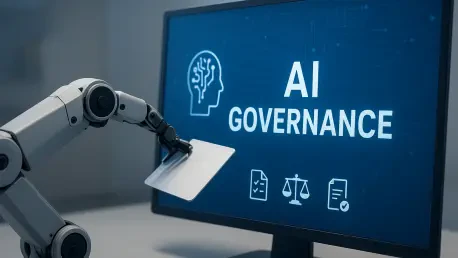
Bridging the Governance Gap Between Static Policies and Autonomous AI Agents The rapid deployment of autonomous systems within large-scale corporate infrastructures has finally outpaced the ability of human managers to manually verify every decision made by an artificial intelligence agent. This

The role of a compromised IoT gateway is changing from a simple DDoS tool into a vital component of a distributed AI-processing infrastructure. This shift marks a departure from traditional malware that relies on static scripts and predefined vulnerabilities to a new class of agentic threats. These
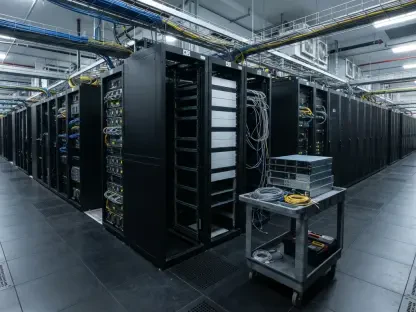
Relying on physical cable management creates systemic risks, where a single patching error can invalidate test data and stall entire development branches. As engineers push the boundaries of 100Gbps Ethernet and complex AI-driven network fabrics, the traditional manual approach to test

The silent hum of data centers has evolved into a frantic digital dialogue as autonomous agents, rather than human operators, now dictate the rhythm of modern data consumption and processing. The landscape of enterprise technology is undergoing a seismic shift, moving beyond the era of generative

The global energy landscape is currently navigating a period of profound transformation where the demand for rapid renewable integration must be harmonized with the most stringent infrastructure protection standards in modern history. For the Danish energy giant Ørsted, this evolution presented a